EN
EN
 jp
jp  ko
ko 
Laminated Veneer Lumber (LVL) beams are adaptable and long-lasting structural components utilized in a wide range of construction applications. When adding LVL beams into building designs, several key design considerations must be made to achieve best performance, safety, and efficiency. In this post, we will look at laminated veneer lumber advantages and critical LVL beam design concerns.
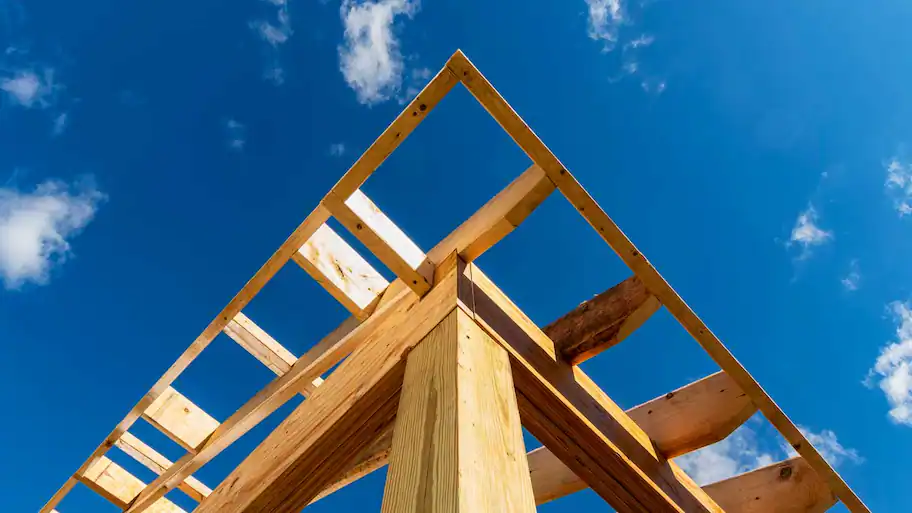
One of the primary considerations when designing with custom LVL beams is determining the anticipated loads and span lengths. LVL beams are engineered to support specific design loads, including dead loads (the weight of the structure itself) and live loads (occupant loads, snow loads, wind loads, etc.). It's crucial to consult building codes and structural engineering standards to accurately calculate the required beam size and spacing based on these load requirements.
LVL beams are available in various sizes and grades to accommodate different load capacities and span lengths. Selecting the appropriate size and grade of LVL beam depends on factors such as the magnitude of loads, span distances, and deflection limits. Working closely with structural engineers or consulting span tables provided by LVL manufacturers can help in choosing the right beam specifications for a given application.
Proper support and installation of LVL beams are essential for ensuring structural integrity and safety. The ends of LVL beams must be adequately supported by columns, walls, or other load-bearing elements. The type of LVL support beam connection, whether it's through bolting, nailing, or using mechanical fasteners, should comply with engineering specifications and building codes to prevent excessive deflection or failure under load.
In certain building applications, LVL beams may require fire protection measures to enhance their fire resistance. Building LVL beams can be treated with fire-retardant coatings or integrated into fire-rated assemblies based on specific project requirements and local building codes. It's important to consult fire protection experts to ensure compliance with fire safety regulations.
LVL beams, like all wood products, are susceptible to moisture absorption, which can affect their structural performance over time. Proper detailing and construction practices should be implemented to protect LVL beams from prolonged exposure to moisture, humidity, or outdoor elements. This may include providing adequate ventilation, using vapor barriers, or applying protective coatings.
When designing with LVL beam construction, it's essential to consider their compatibility with other building components and systems. This includes ensuring proper connections with floor and roof systems, integrating LVL beams with wall framing, and coordinating installation details with mechanical, electrical, and plumbing systems. Collaborating with architects, engineers, and contractors during the design phase can help address compatibility issues early on.
LVL beams are considered environmentally friendly compared to solid timber beams, as they are typically made from fast-growing plantation trees and utilize wood resources efficiently. Designers and builders should prioritize sustainability by specifying LVL beams from reputable manufacturers that adhere to responsible forestry practices and environmental standards.
When designing using LVL beams, it is important to take into account load requirements, beam specifications, support details, fire prevention measures, environmental concerns, and compatibility with other building components. Architects and engineers can use construction LVL beams' strength, adaptability, and sustainability to construct safe, efficient, and environmentally conscious structures by adhering to best practices and working with qualified specialists. By incorporating these LVL design principles, LVL beams will operate effectively and contribute to the overall success of construction projects.
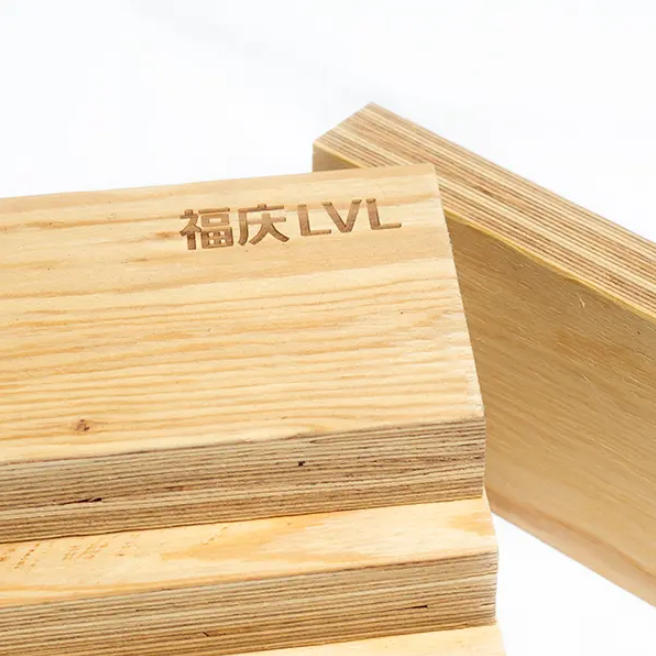
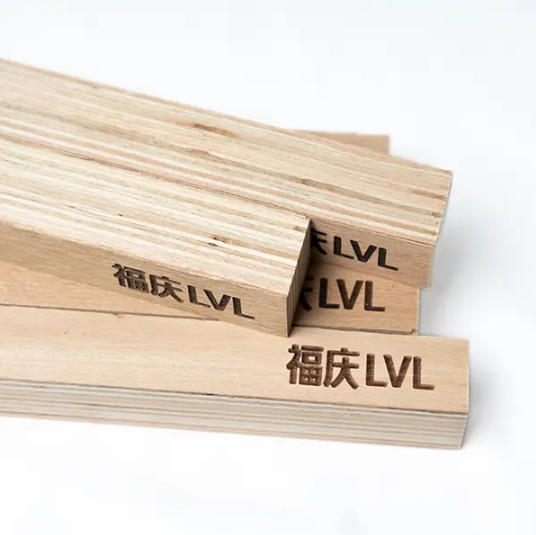
An LVL beam is a structural beam made from Laminated Veneer Lumber (LVL), which is a type of engineered wood.
In construction, an LVL stands for Laminated Veneer Lumber. It is a type of engineered wood product used primarily for structural applications. The construction LVL beam is a strong, reliable, engineered wood member used where traditional lumber might not be strong or long enough.
Waterproofing LVL beams ensures durability, moisture resistance, and reliability, making them ideal not just for interior structural framing, but also for exterior and high-humidity applications.
Yes, you can use LVL beams outside if they are treated or manufactured for exterior use and installed with proper waterproofing and detailing. Standard untreated LVL is best kept indoors or in dry, covered environments.
Some LVL products, like Fuqing’s exterior LVL beams (e.g., E14/E15), are specifically engineered for outdoor applications with moisture-resistant adhesives and protective treatments.