EN
EN
 jp
jp  ko
ko 
Structural stability, load capacity, and long-term reliability are top priorities for architects, engineers, and builders in modern construction. Traditional solid timber posts and beams served for centuries, but modern engineered wood products, especially laminated posts and Laminated Veneer Lumber (LVL) beams, have transformed how structures are built. These products offer precision-manufactured strength, consistent performance, and design flexibility that traditional lumber cannot match.
A laminated post is a vertical structural member created by bonding multiple pieces of timber or engineered wood under controlled conditions. Unlike a single solid log or sawn post with natural irregularities, laminated posts are manufactured to strict tolerances, removing defects and ensuring uniform mechanical properties.
In pole building construction, these columns carry vertical loads from roofs, floors, and upper levels, transferring forces down to the foundation. Laminated posts are commonly used where increased height, higher load, and dimensional stability are required.
Common in agricultural, industrial, and commercial contexts, pole buildings benefit from laminated posts because they are engineered for strength and longevity.
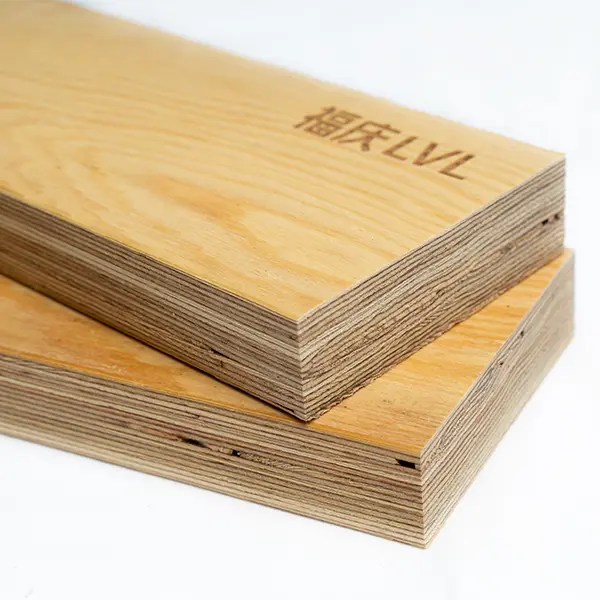
Laminated Veneer Lumber (LVL) is an engineered wood product created by layering thin wood veneers in parallel grain orientation and bonding them with structural adhesives under heat and pressure. This process produces a beam with uniform strength and stiffness that far exceeds many solid-sawn timber equivalents.
LVL beams are commonly used for:
Floors and roof framing
Headers and lintels over openings
Rim boards and rim joists
Long-span structural beams
When paired with laminated posts, LVL beams help create strong, continuous load paths, ideal for high-performance structural frames.
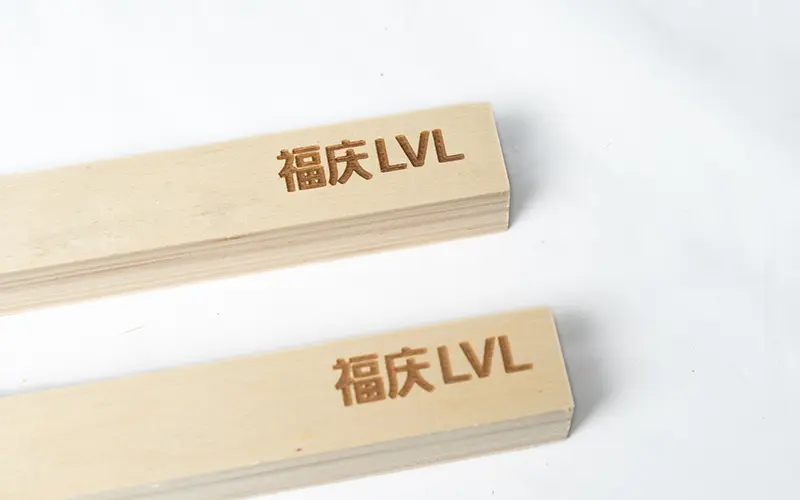
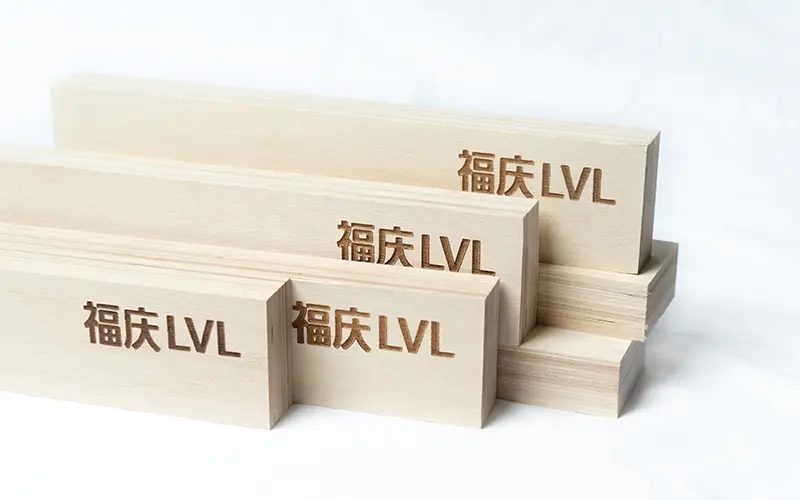
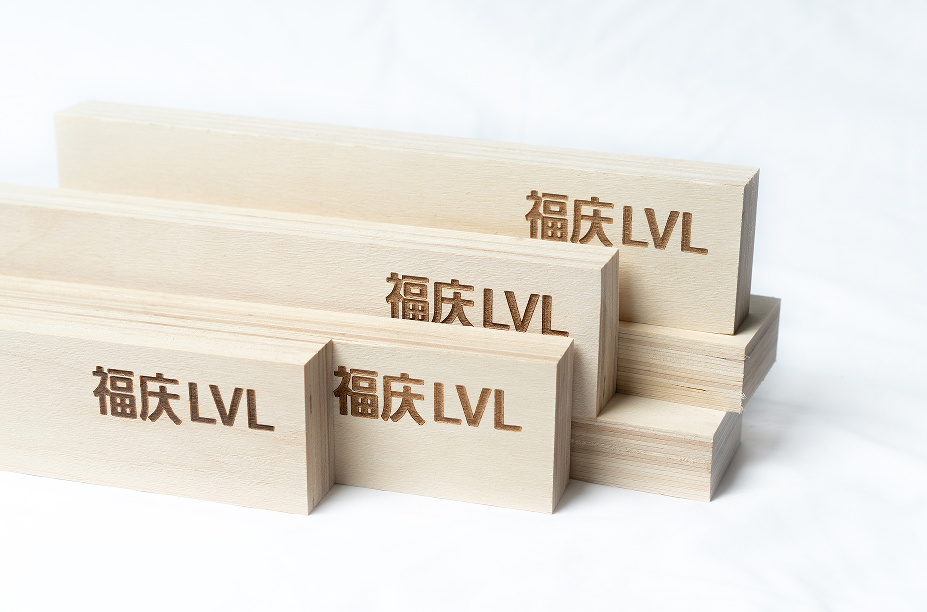
Fuqing’s LVL columns blend engineered precision with high load-bearing capacity, making them suitable for pole buildings and heavy-duty structural frames. They are manufactured to deliver consistent dimensions, stable moisture content, and excellent strength, aligning with international construction standards.
There are several reasons engineered laminated posts outperform traditional solid wood posts:
Laminated posts eliminate the natural defects found in solid wood, such as knots, splits, and inconsistent grain direction. As a result, they offer:
Higher load capacity
Better compression resistance
More predictable structural performance
This reliability is especially critical in tall or multi-story pole structures.
Engineered laminated posts resist warping, twisting, and shrinking—common problems in solid timber posts exposed to fluctuating moisture and temperature conditions. This stability increases long-term structural integrity.
Laminated posts make better use of smaller diameter logs and offcuts. They reduce waste compared to large solid posts, supporting sustainable forestry practices.
Manufacturers can produce laminated posts in a variety of lengths and dimensions to meet specific design requirements—an important advantage for pole buildings and customized structural frameworks.
The parallel grain orientation in LVL distributes stress evenly along the beam, making it highly reliable under bending and axial loads.
LVL can be manufactured in long, continuous lengths that span great distances without mid-span supports. This enables open layouts and fewer intermediate columns.
Engineered under controlled conditions, LVL beams deliver consistent mechanical properties, making them easy to design into load-bearing systems.
LVL beams resist twisting and cupping, reducing construction challenges caused by uneven members.
In engineered structural framing, vertical laminated posts and horizontal LVL beams form a rigid load-bearing framework:
Laminated posts carry vertical loads and provide support points for horizontal beams.
LVL beams span between posts, carrying floor and roof loads and transferring them to the columns.
This combination creates a stable structural grid that supports large spans and heavy loads without excessive bracing or intermediate supports.
This synergy is especially valuable in pole building systems, where large open interior spaces are required without internal load-bearing walls.
Pole barns and sheds often need wide spans and durable vertical support members. Engineered laminated posts and LVL beams can handle heavy snow loads, large roof spans, and equipment storage loads.
Warehouses, workshops, and distribution centers benefit from high load capacity, fewer interior columns and greater design flexibility.
Open-plan homes, garages, and multi-story homes use engineered posts and beams to support floors, roofs, and stairwells while maintaining aesthetic appeal.
Gyms, auditoriums, and community spaces require large clear spans and uniform load distribution—ideal use cases for laminated posts combined with LVL beams.
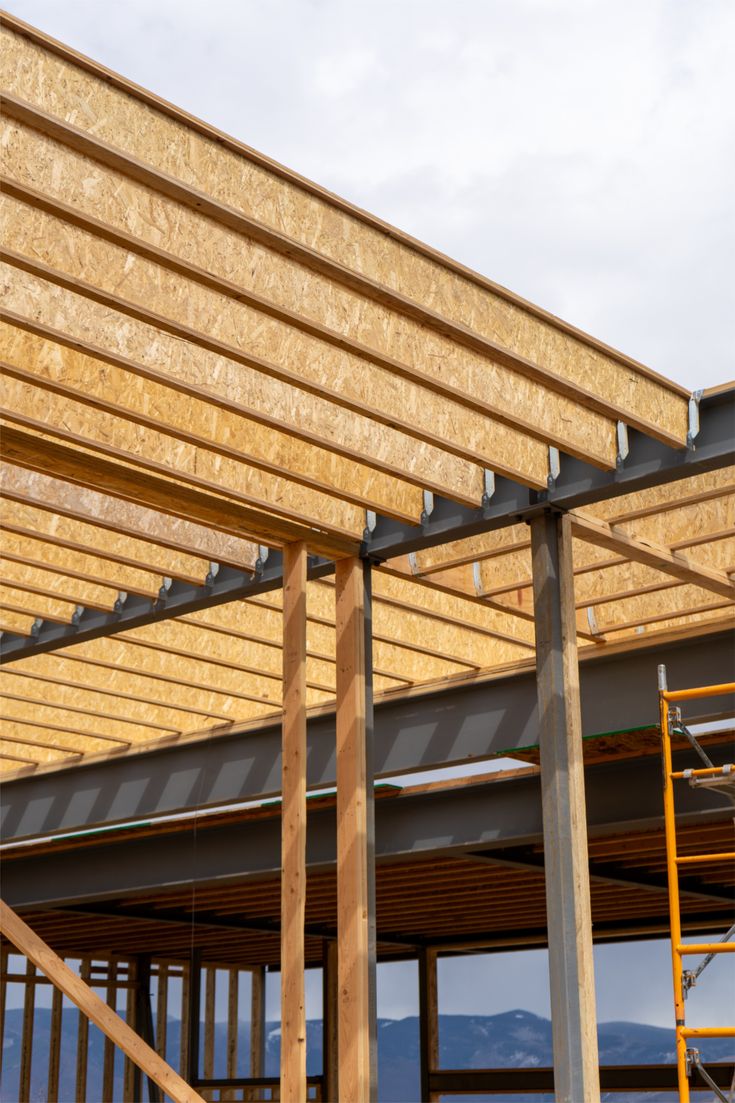
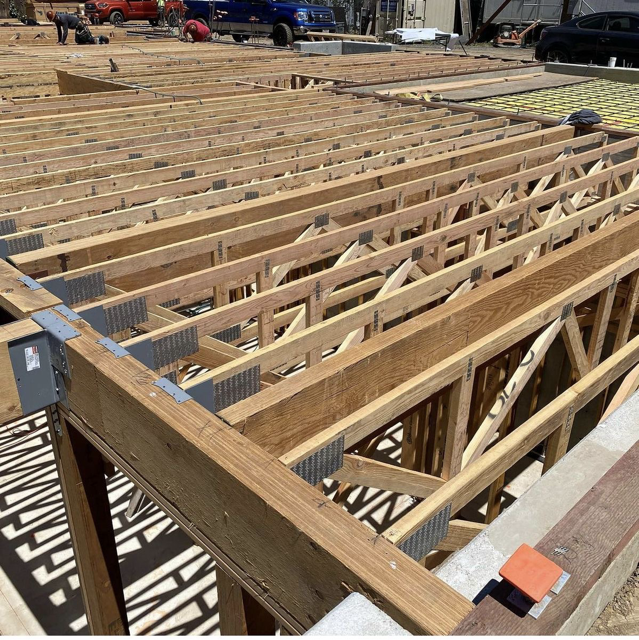
A typical pole building using laminated posts and LVL beams may include:
Laminated posts as primary vertical structural supports
LVL beams spanning between posts at floor and roof levels
I-joists for floor framing
Plywood or OSB shear panels for lateral stability
Metal, wood, or composite cladding for exterior finishes
Each component plays a role in structural performance. Engineered connections (bolts, steel brackets, post-caps) ensure load paths remain continuous and predictable.
Fuqing’s LVL column products are engineered to deliver high performance in demanding structural scenarios.
High load-bearing capacity: Designed to handle axial loads and moment forces.
Moisture-controlled manufacturing: Reduces long-term dimensional changes.
Long lengths and custom sizes: Enables fewer splices and smoother installation.
Uniform veneers: Eliminates defects common in solid timber.
These characteristics make Fuqing LVL columns ideal for both pole building posts and integrated structural frames where durability and precision matter. In addition to LVL columns, Fuqing’s broad products including LVL beams, I-joists, and plywood panels allows designers to source multiple engineered components from a reliable supplier.
Designers must calculate:
Dead loads (self weight, finishes)
Live loads (occupants, equipment)
Snow, wind, and seismic forces
Engineered products are specified based on design loads, span lengths, and required performance metrics.
Connections between posts and beams must be engineered for both shear and moment transfer. Common solutions include:
Steel post caps
Bolted beam-to-post connections
Moment-resisting brackets
Proper detailing ensures structural continuity through load paths.
Though engineered wood has improved stability over solid timber, it still must be protected from excessive moisture, especially in outdoor or unprotected environments. Protective coatings, flashings, and proper drainage extend service life.
Engineered wood products must comply with fire safety codes. LVL and laminated posts can be specified with fire-resistance ratings or integrated with fire protection systems per local regulations.
Engineered wood products like laminated posts and LVL beams support sustainable construction by:
Efficiently using smaller and fast-growing timber species
Reducing waste compared to sawn heavy timber
Lower carbon footprint than comparable steel or concrete systems
When sourced and manufactured responsibly, these materials contribute to greener building practices.
In pole building and structural framing systems, laminated posts and LVL beams provide a powerful combination of strength, stability, and design flexibility. Engineered wood products outperform solid timber in structural consistency, span capability, and dimensional control — making them essential in today’s construction landscape.
Products such as Fuqing’s LVL columns demonstrate how engineered timber can handle demanding applications while integrating seamlessly with other framing elements like I-joists and plywood panels. Their reliable performance, customizable sizes, and engineered precision make them an ideal choice for pole buildings, commercial frames, and modern timber structures.
By understanding the advantages of laminated posts and LVL beams, and integrating them thoughtfully into design and detailing, builders and designers achieve structures that are not only strong and durable but efficient, sustainable, and cost-effective.