EN
EN
 jp
jp  ko
ko 
I-Joists, also known as engineered wood I-beams, are advanced structural components widely used in modern building construction. In this article, we'll delve into what is an I-Joist, the features, benefits, and applications of I-Joists, highlighting their importance in creating efficient and sustainable structures.
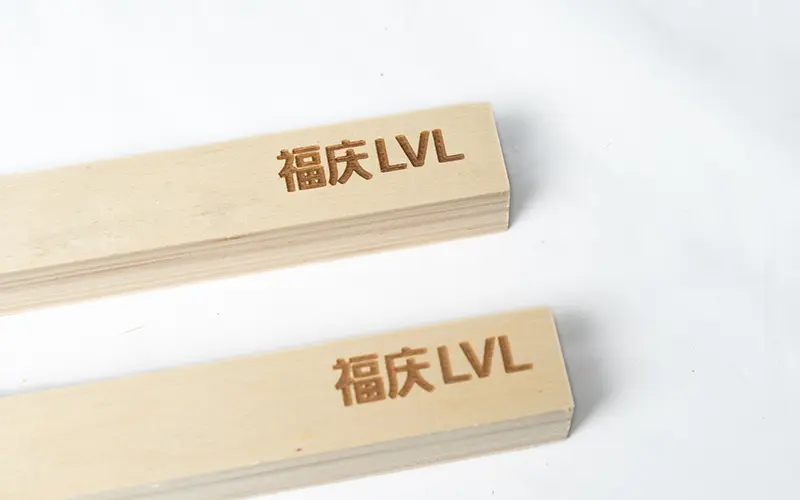
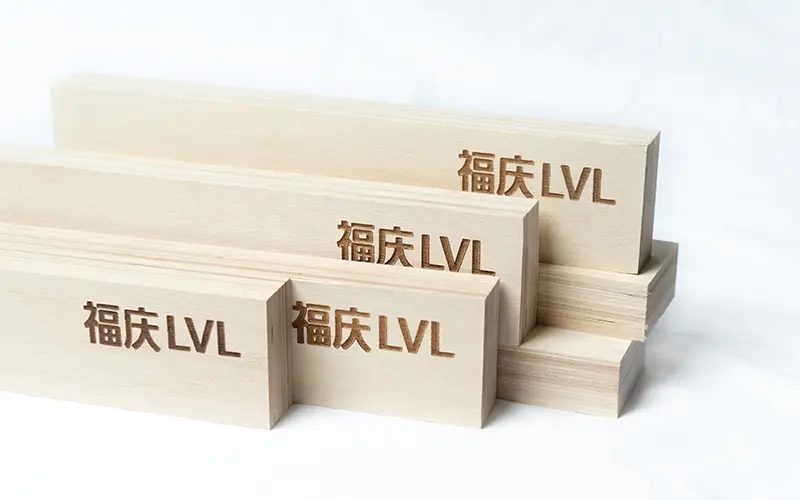
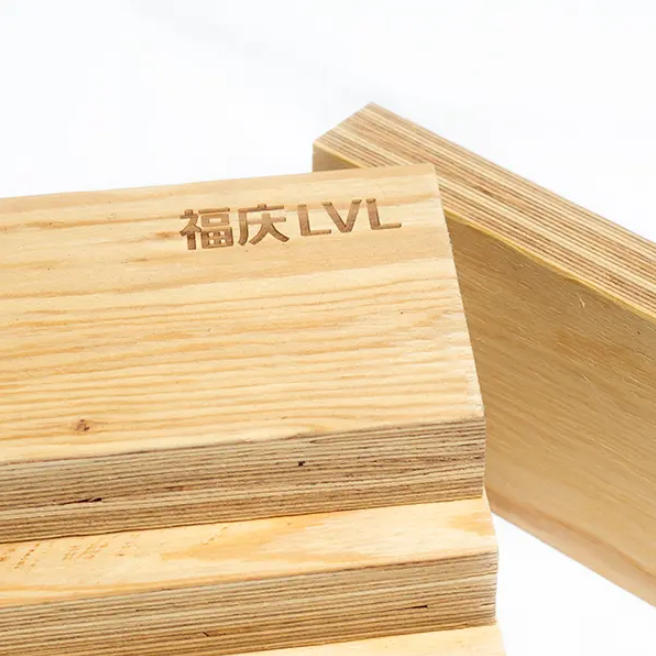
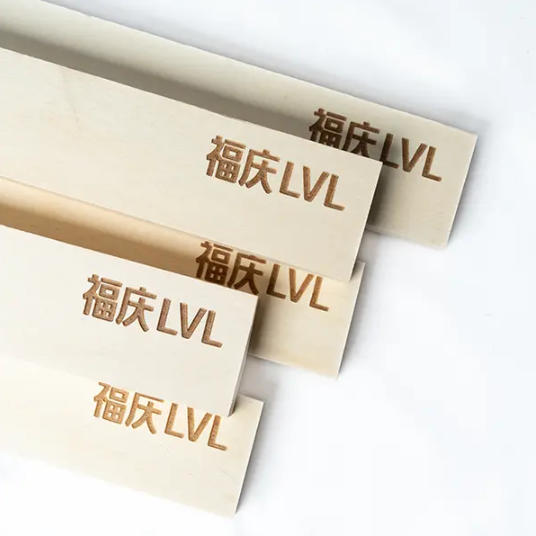
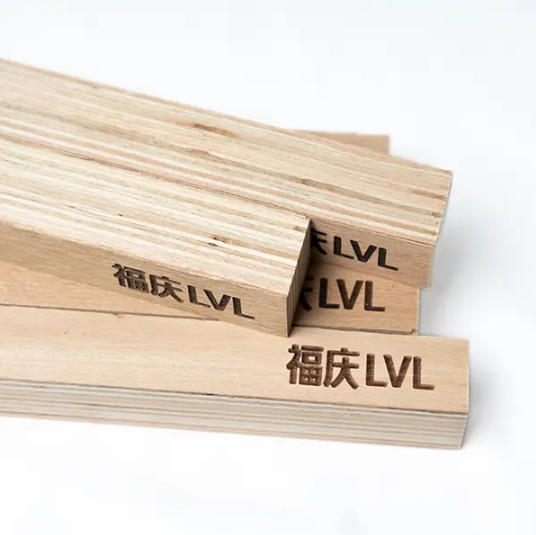
I-Joists are engineered wood products designed for use as floor and roof joists in residential, commercial, and industrial buildings. They are constructed from high-strength materials such as laminated veneer lumber (LVL) or oriented strand board (OSB), which are assembled to form an "I" shape. The top and bottom flanges of the wood I-Joist are connected by a vertical web, providing exceptional strength and load-bearing capacity.
Strength and Stability: I-Joists are engineered to be stronger and more dimensionally stable than traditional solid wood joists. The composite construction allows these structural wood I beams to support heavy loads over long spans without excessive deflection.
Uniformity: I-Joists are manufactured under controlled conditions, ensuring consistent quality and performance. This uniformity simplifies installation and contributes to overall structural integrity.
Versatility: I-Joists can be customized to meet specific design requirements, including different depths, lengths, and flange widths. This flexibility of I-Joist construction allows for efficient use in a wide range of building applications.
Lightweight: Compared to solid wood joists, I-Joists are lighter, making them easier to handle and install. The reduced weight also translates to lower transportation costs and less strain on building foundations.
Long Spans: I-Joists can span longer distances than traditional lumber, reducing the need for intermediate supports and enabling more open floor plan designs.
Consistent Performance: Due to their engineered construction, I-Joists exhibit minimal shrinkage, warping, or twisting over time, ensuring long-term structural stability.
Reduced Material Waste: I-Joists are manufactured with precision-cut components, minimizing waste compared to dimensional lumber. This efficiency contributes to sustainable construction practices.
Compatibility with Modern Building Techniques: I-Joists are compatible with advanced construction methods, including prefabrication and modular building, allowing for faster and more cost-effective construction processes.
I-Joist beams are used in a variety of construction applications, including:
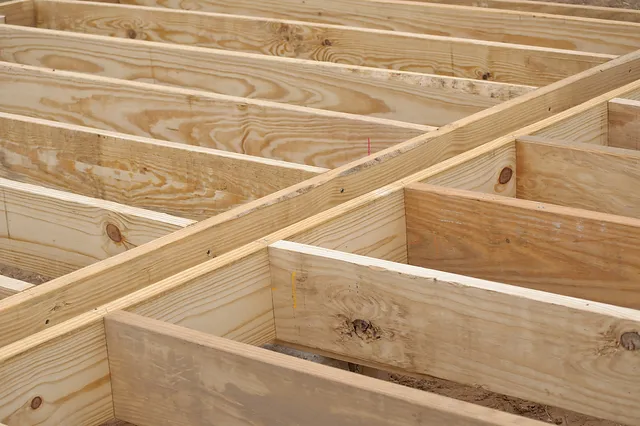
Floor Systems: I-Joists are commonly used as floor joists to support floor loads and provide a level surface for subflooring materials.
Roof Systems: I-Joists serve as roof rafters or trusses, supporting roof loads and providing structural integrity for roofing materials.
Mezzanine Floors: In commercial and industrial buildings, I-Joists are used to create elevated mezzanine floors for additional storage or workspace.
Residential Construction: I-Joists are increasingly popular in residential construction for their efficiency, strength, and versatility in supporting modern building designs.
I-joists are a significant breakthrough in structural engineering, providing greater strength, stability, and efficiency than typical wooden joists. Their versatility, constant performance, and sustainability make them a popular choice among architects, engineers, and builders looking for new building solutions. As the construction industry prioritizes efficiency and sustainability, I-Joists will play a critical role in creating the future of modern buildings and infrastructure.