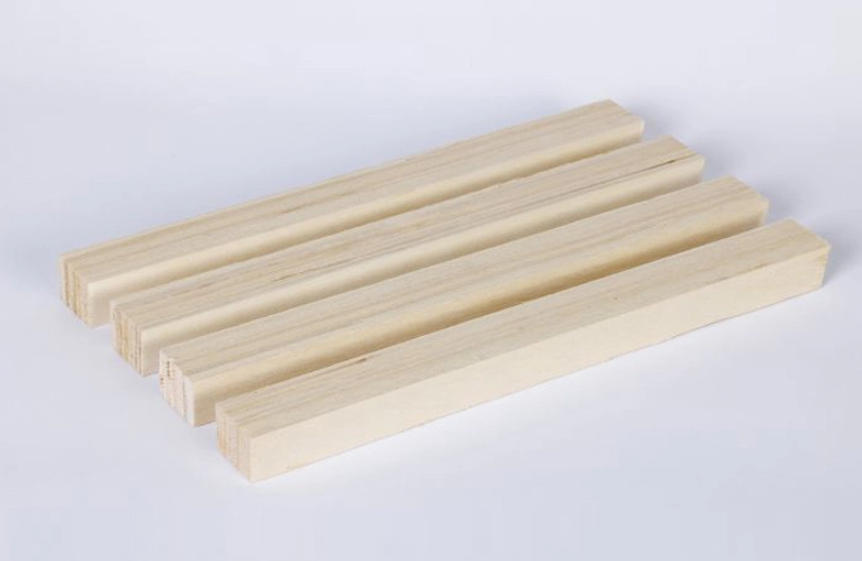
In the realm of modern structural engineering, Laminated Veneer Lumber (LVL) has redefined what is possible with wood. While LVL is most famously used as horizontal beams and headers, its application as a vertical support, the LVL column, is equally transformative. Unlike traditional solid-sawn timber, which is prone to natural defects like knots, checks, and warping, LVL columns offer a level of consistency and strength that allows for taller, more open structures.
However, the effectiveness of an LVL column depends entirely on selecting the correct dimensions. Understanding LVL column sizes and how they relate to axial load capacity is essential for any architect, builder, or structural engineer.
The Engineering Behind LVL Columns
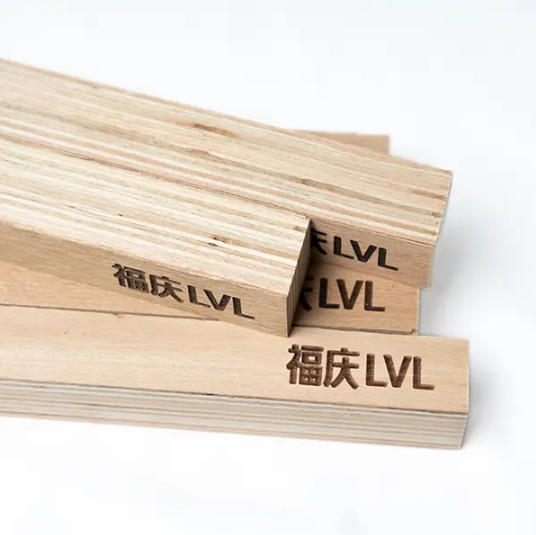
LVL is manufactured by bonding thin wood veneers together under heat and pressure. For columns, the orientation of these veneers is critical. When used vertically, LVL excels at resisting axial loads—the downward pressure exerted by the weight of the roof or floors above.
The load-bearing capacity of an LVL column is a function of its slenderness ratio. This is the relationship between the column’s height and its cross-sectional area. A taller column with a small cross-section is more likely to buckle under pressure, whereas a thicker column can support significantly more weight. Because LVL is an engineered product, its strength properties are predictable, allowing for precise calculations that solid wood simply cannot match.
Common LVL Column Sizes and Configurations
Most LVL columns are produced in standard thicknesses that are multiples of the individual veneer plies. Typically, these plies are 1-3/4 inches (approx. 45mm) thick. To create columns of varying strengths, these plies are laminated together on-site or at the factory.
Common residential and light commercial LVL column sizes include:
3-1/2" x 3-1/2" (2 plies): Frequently used as a direct replacement for the traditional 4x4 solid timber post.
5-1/4" x 5-1/4" (3 plies): A high-strength alternative to a 6x6 solid timber post, offering superior resistance to twisting and splitting.
7" x 7" (4 plies): Used in heavy-duty applications where massive axial loads are present, such as supporting multi-story residential structures.
While square configurations are common for standalone posts, LVL can also be ordered in rectangular stud sizes, such as 1-3/4" x 5-1/2" or 1-3/4" x 7-1/4", for use within wall assemblies to support point loads from large headers above.
Fuqing Wood Precision Manufacturing
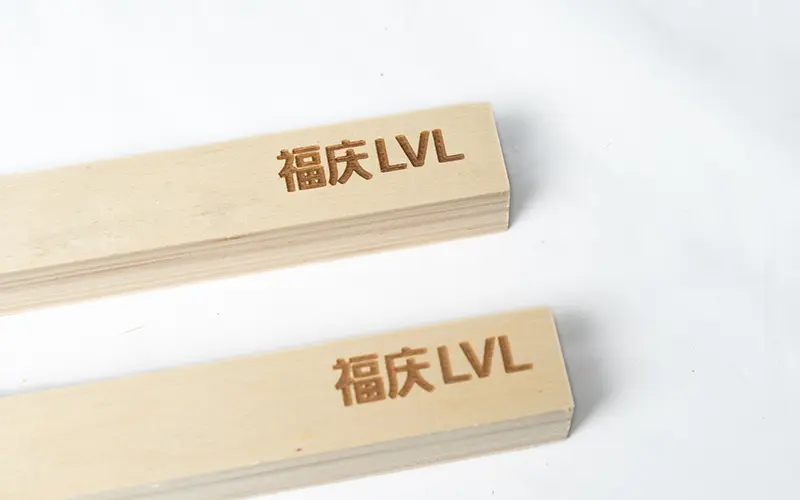
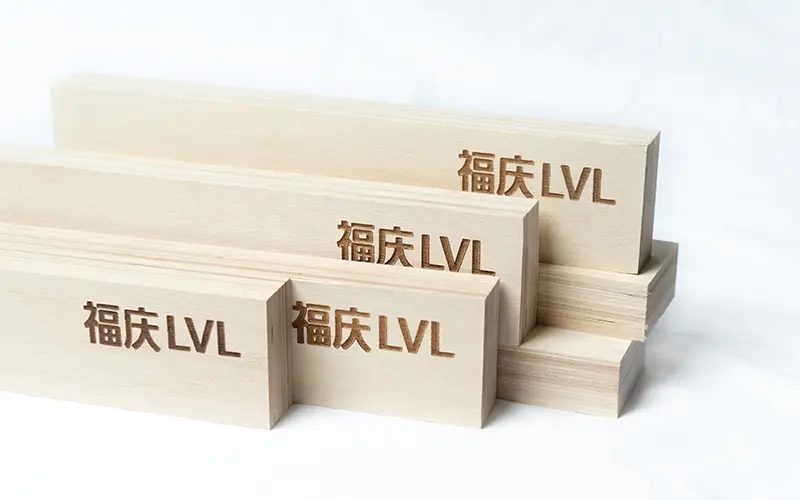
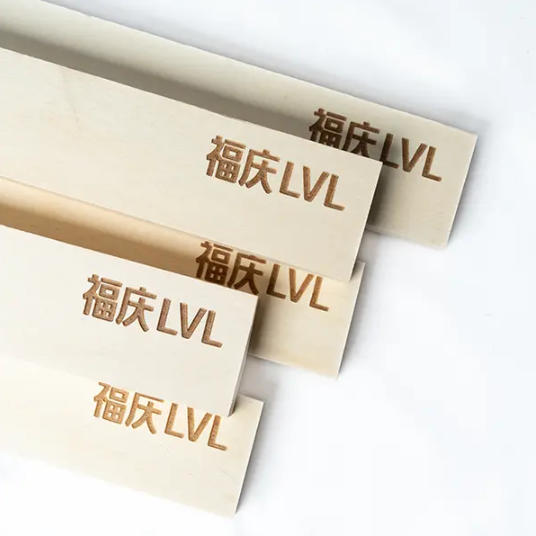
When specifying column sizes, the quality of the material is just as important as the dimensions. This is why many international builders rely on Fuqing Wood LVL Columns. Fuqing Wood utilizes advanced manufacturing processes to ensure that every ply is perfectly bonded and that the final column dimensions are held to incredibly tight tolerances.
By using high-density veneers and Water Boil Proof (WBP) adhesives, Fuqing Wood produces LVL columns that resist the dimensional changes often caused by fluctuations in humidity. Dimensional stability is vital for vertical members; if a column shrinks or swells at a different rate than the surrounding framing, it can lead to uneven floors and structural settling noises. Fuqing Wood’s commitment to uniformity ensures that a 5-1/4" column remains exactly 5-1/4" throughout its service life.
Key Factors in Selecting the Right Size
Choosing the correct LVL column size involves more than just matching the dimensions of a solid wood post. Engineers must consider several variables:
Unbraced Length: This is the height of the column between its base and the point where it is laterally supported. As the unbraced length increases, the allowable axial load decreases significantly. A 10-foot column requires a much larger cross-section than an 8-foot column to support the same weight.
Eccentric Loading: If the weight from a beam is not perfectly centered on the top of the column, it creates eccentricity. This adds a bending force to the vertical compression. Engineers often specify wider LVL column sizes to provide a larger target for the beam, ensuring the load remains as centered as possible.
End Bearing: The column must sit on a surface capable of supporting the concentrated load. Usually, this involves a steel base plate or a reinforced concrete pier. The size of the column determines the size of the hardware required.
Why LVL Columns Outperform Solid Lumber?
While a 6x6 solid Douglas Fir post may seem sufficient, LVL columns offer several distinct advantages:
Elimination of Checks and Splits: Large solid timbers often develop deep cracks as they dry. While often aesthetic, deep checks can reduce the effective cross-section of a column. LVL columns do not check.
Uniformity: Every Fuqing Wood LVL column of the same grade has identical mechanical properties. There is no weakest link caused by a hidden knot in the center of the post.
Longer Lengths: LVL can be manufactured in lengths that far exceed what is available in solid-sawn timber, making it ideal for tall, dramatic entryways and multi-story great rooms.
Selecting the right LVL column size is a critical intersection of mathematics and material science. By utilizing the predictable performance of engineered wood, builders can create safer, more durable structures with smaller footprints. Whether you are replacing a standard 4x4 post or engineering a complex multi-story commercial space, starting with a high-quality product like those found at Fuqing Wood ensures that your vertical supports will stand true.
 EN
EN
 jp
jp  ko
ko