EN
EN
 jp
jp  ko
ko 
Scaffolding is a critical part of construction projects, providing workers with safe and stable platforms when working at height. Among the many types of scaffolding boards available today, LVL scaffolding planks have become one of the most widely used solutions in modern construction. Compared with traditional solid wood planks, LVL scaffold planks offer superior strength, stability, and safety performance, making them a preferred material for construction companies, contractors, and scaffolding suppliers.
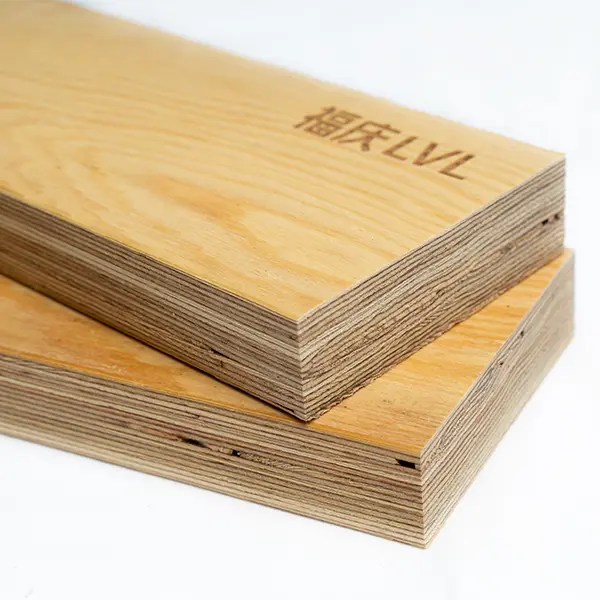
LVL scaffolding refers to scaffolding systems that use LVL (Laminated Veneer Lumber) planks as the working platform. LVL is an engineered wood product made by bonding multiple thin wood veneers together using structural adhesives under high pressure and heat.
The grain direction of the veneers is aligned in the same direction, which creates a structural material with excellent load-bearing capacity and uniform mechanical properties. This engineered manufacturing process eliminates many natural wood defects such as knots, splits, and weak grain structures. As a result, LVL scaffold planks provide consistent strength and predictable structural performance, which is crucial for worker safety on construction sites.
LVL scaffolding planks are typically used in:
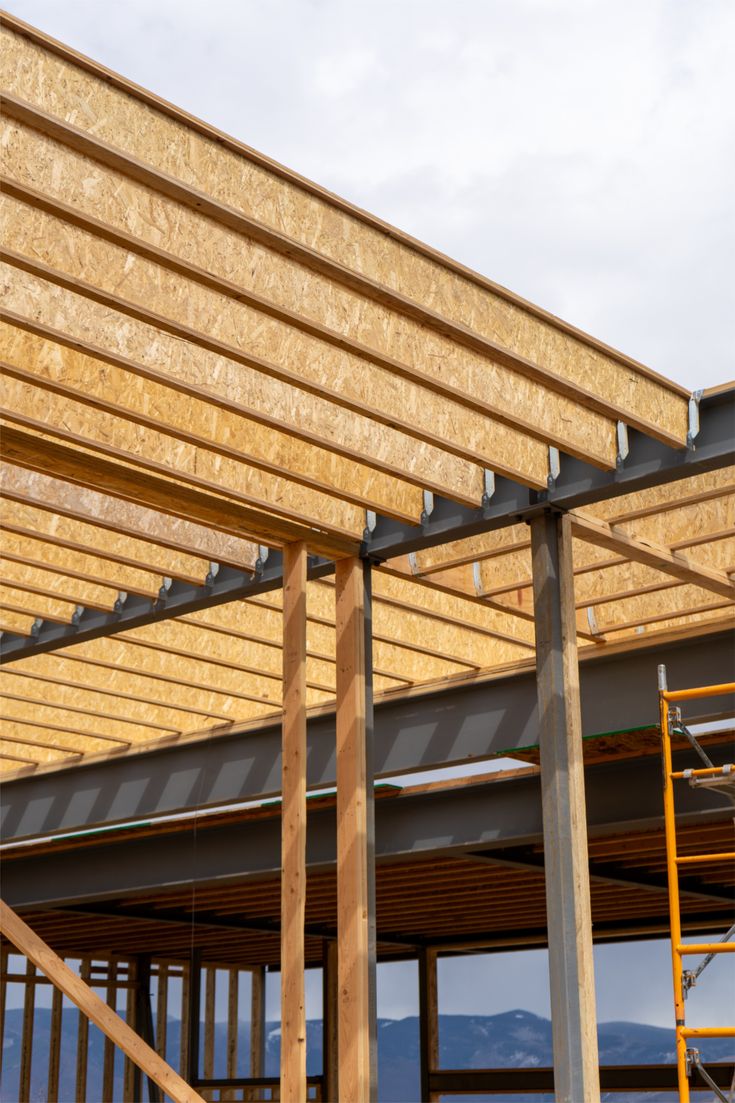
Building construction
Bridge maintenance
Industrial maintenance platforms
Shipbuilding and offshore work
Infrastructure and highway projects
Laminated scaffold planks are engineered wood boards specifically designed for scaffolding systems. These planks are manufactured using layers of wood veneer that are bonded together to create a high-strength composite wood product.
Unlike traditional solid timber scaffold boards, laminated scaffold planks provide several structural advantages:
Improved strength and stiffness
Reduced warping and twisting
Consistent load capacity
Longer service life
Because the veneers are layered and glued together, laminated scaffold boards distribute loads evenly across the plank surface. This structure significantly improves structural reliability compared with natural wood boards. Most laminated scaffold boards are manufactured in standardized dimensions so they can easily integrate into common scaffolding systems used in construction sites worldwide.
The production of LVL scaffold planks involves several carefully controlled steps to ensure high structural quality.
High-quality logs are selected and peeled into thin veneers using rotary cutting technology.
The veneers are dried to a controlled moisture content and graded to ensure structural consistency.
Structural adhesives such as phenolic or melamine resin are applied to the veneer layers. These adhesives create strong, waterproof bonds between layers.
Multiple veneer sheets are stacked with their grain running in the same direction to maximize bending strength.
The veneer stack is pressed under high heat and pressure to form a solid LVL billet.
The billet is cut into scaffold plank sizes and finished with sanding, edge sealing, and sometimes anti-slip surfaces.
The result is a high-performance engineered wood plank designed specifically for heavy construction use.
One of the main benefits of LVL scaffold planks is their exceptional structural strength. Because LVL is made from multiple layers of veneer bonded together, the resulting plank has a high strength-to-weight ratio and excellent bending resistance. This engineered structure makes LVL planks less prone to warping, twisting and bowing. These properties ensure a stable working platform for construction workers.
Solid wood planks can vary significantly in strength due to natural defects such as knots or grain irregularities. LVL planks eliminate these defects, providing uniform structural properties across every board. This consistency improves safety and allows engineers to design scaffolding systems with predictable load performance.
Despite their strength, LVL scaffold planks are relatively lightweight compared with solid timber boards. This makes them easier to transport, install, and move during construction. Lightweight planks also improve efficiency on construction sites where scaffolding systems are frequently assembled and dismantled.
Safety is a top priority in scaffolding systems. LVL scaffold planks are often manufactured with features that enhance worker safety.
For example:
Anti-slip surfaces improve traction
Smooth surfaces reduce splinters
Standardized dimensions ensure secure fitting
These design features help reduce the risk of slips and falls on scaffolding platforms.
LVL scaffold planks are highly durable and resistant to many environmental factors.
Compared with traditional wood planks, LVL boards offer:
Better resistance to moisture
Reduced risk of rot and insect damage
High resistance to compression and impact
These properties make LVL planks suitable for both indoor and outdoor construction environments.
LVL scaffold boards are widely used in many industries where temporary elevated working platforms are required.
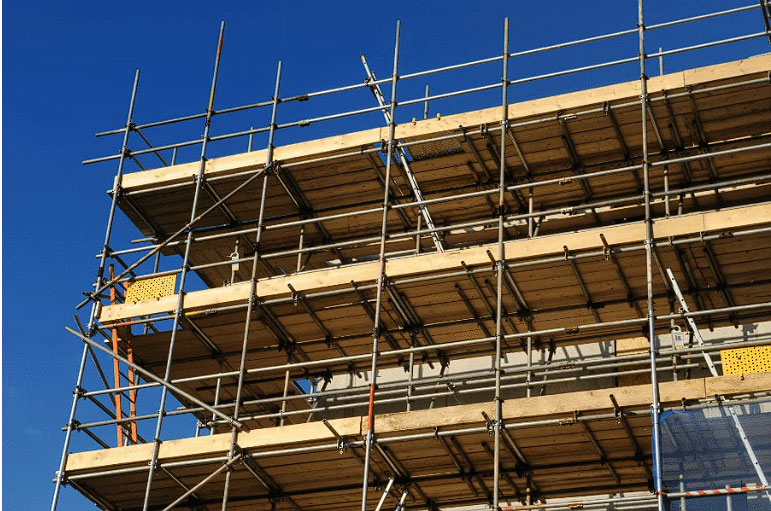
Workers use scaffolding platforms for tasks such as bricklaying, exterior wall finishing, window installation and structural repairs.
Scaffolding systems are essential in large infrastructure projects such as bridges, highways, tunnels and industrial facilities.
Factories, refineries, and power plants often require scaffolding platforms for equipment maintenance and inspection.
LVL scaffold planks are also used in shipyards and offshore construction environments where strong temporary platforms are required.
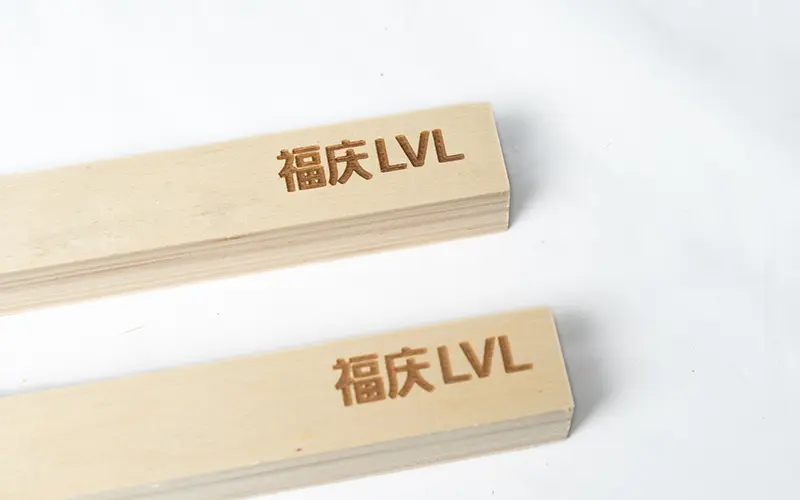
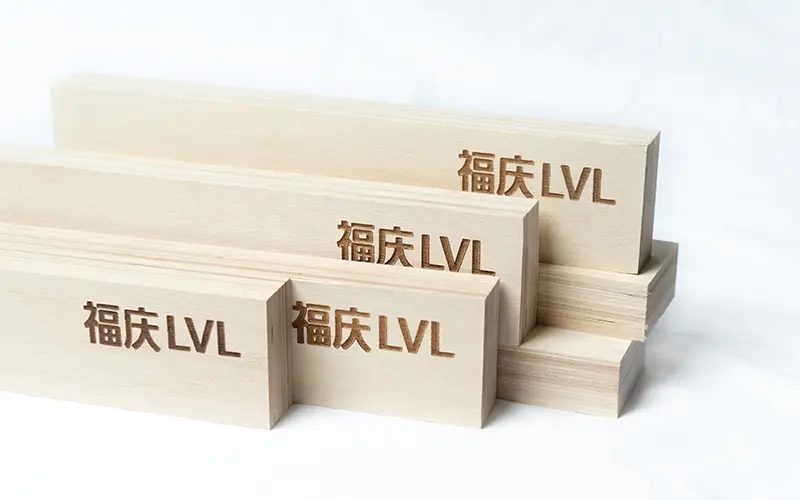
For construction companies looking for reliable engineered wood scaffold boards, Fuqing Wood provides high-quality LVL scaffolding planks designed for structural performance and jobsite safety. Fuqing’s LVL scaffold boards are manufactured using advanced production technology and strict quality control standards. These products are designed to deliver high load-bearing capacity, excellent dimensional stability, consistent structural strength, and reliable performance in demanding construction environments.
Fuqing LVL scaffold planks are widely used in construction scaffolding systems and can be produced in various lengths, widths, and thicknesses to meet project requirements. By choosing engineered scaffold boards from experienced manufacturers like Fuqing, contractors can improve both construction efficiency and worker safety.
To maintain safety and extend the service life of scaffold planks, several best practices should be followed. Proper handling and maintenance help ensure LVL scaffold planks maintain their structural performance over time.
Proper Storage: Planks should be stored in a dry, well-ventilated area and kept off the ground to prevent moisture damage.
Avoid Structural Modification: Cutting, drilling, or notching scaffold planks can weaken their structural integrity and should be avoided.
Inspect Regularly: Scaffold boards should be inspected regularly for damage such as cracks or excessive wear.
Follow Load Limits: Workers should always follow the recommended load ratings and avoid overloading scaffold platforms.
LVL scaffold planks represent a major advancement in construction scaffolding materials. By combining engineered wood technology with strict manufacturing standards, laminated scaffold boards provide high strength, stability, and safety performance. Compared with traditional wood scaffold boards, LVL planks offer superior structural consistency, improved durability, better load capacity and enhanced worker safety. As construction projects become more complex and safety standards continue to increase, engineered materials such as LVL scaffolding boards are becoming the preferred choice for contractors worldwide.
Manufacturers like Fuqing Wood provide high-quality LVL scaffold planks that help construction companies build safer and more efficient scaffolding systems.