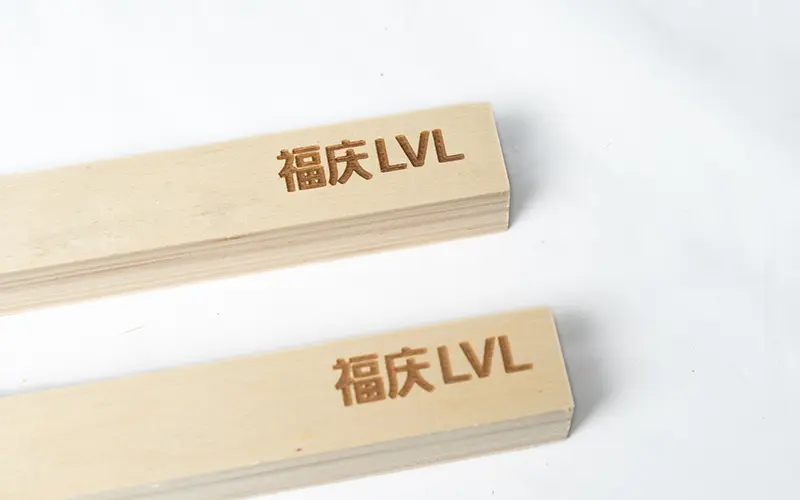
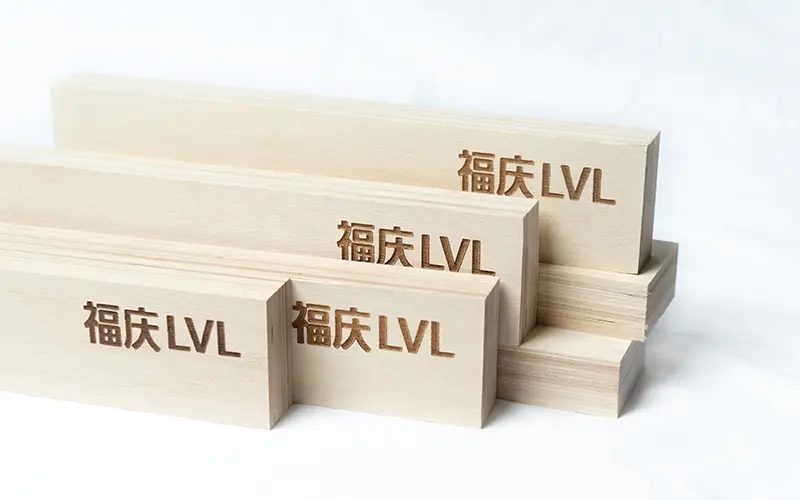
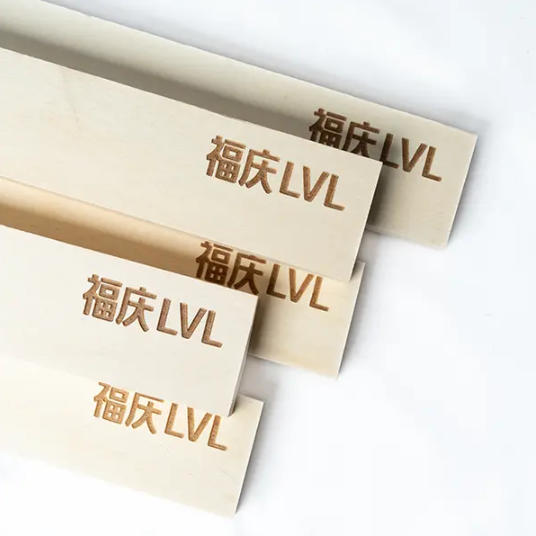
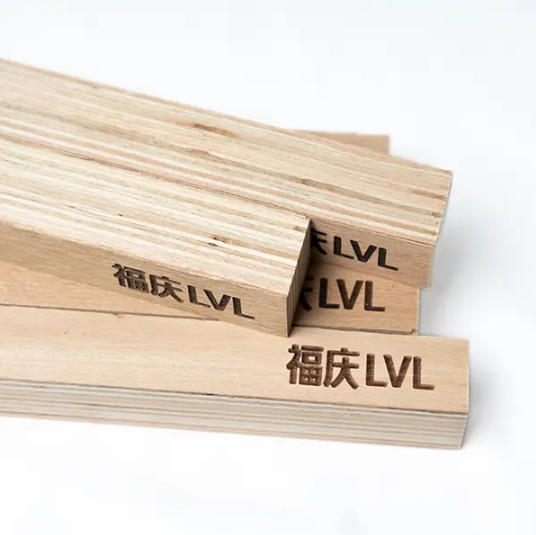
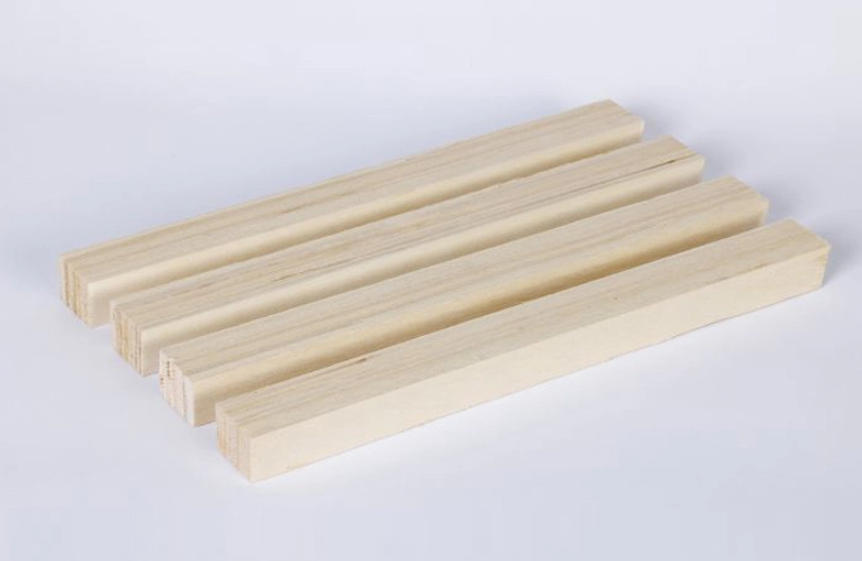
As engineered wood continues to replace traditional solid timber in modern construction and manufacturing, Laminated Veneer Lumber (LVL) has become one of the most trusted materials for projects that demand strength, stability, and consistent performance.
Today, LVL is widely used in residential and commercial buildings, furniture manufacturing, door production, packaging, and many other industrial applications. However, one question often arises when selecting an LVL product:Should you choose structural LVL or non-structural LVL?
Although both products are manufactured using similar veneer-laminating technology, they are designed for completely different purposes. Choosing the wrong type may affect product performance, manufacturing efficiency, or even structural safety.
Understanding the differences between structural and non-structural LVL helps builders, manufacturers, distributors, and OEM customers select the right material for every application while optimizing project costs and long-term performance.
Understanding Structural LVL
Structural LVL is engineered specifically for load-bearing applications where strength, stiffness, and long-term reliability are essential.
It is manufactured by bonding multiple layers of carefully graded wood veneers with high-performance structural adhesives under precisely controlled temperature and pressure. The veneers are aligned in the same grain direction, creating a highly uniform structural material with predictable mechanical properties.
Compared with conventional solid timber, structural LVL offers significant advantages:
High bending strength
Excellent stiffness
Superior dimensional stability
Consistent mechanical performance
Reduced influence from natural timber defects
Reliable long-term structural performance
Because of these characteristics, structural LVL has become an important component in modern timber construction.
Typical applications include:
Structural beams
Floor framing systems
Roof framing
Door and window headers
Columns and posts
Engineered timber structures
Prefabricated building systems
Its predictable engineering performance enables architects and engineers to design safer structures while improving construction efficiency.
What Is Non-Structural LVL?
Non-structural LVL is manufactured using the same veneer-lamination process, but its primary purpose is different.
Rather than carrying structural loads, non-structural LVL is developed for applications where dimensional stability, machining performance, and material consistency are more important than structural strength.
Compared with natural solid wood, non-structural LVL provides a more uniform material with fewer knots, cracks, and grain irregularities, making it easier to process and manufacture.
Common applications include:
Door core materials
Furniture components
Cabinet parts
Interior decorative products
Shelving
Packaging materials
Industrial wood processing
For manufacturers, non-structural LVL improves production efficiency while reducing waste caused by natural wood defects.
Structural LVL vs. Non-Structural LVL: What's the Difference?
Although both products belong to the LVL family, their design objectives are fundamentally different.
1. Different Performance Requirements
Structural LVL is engineered to become part of a building's load-bearing system.
It must provide:
High bending strength
Structural stiffness
Reliable load capacity
Long-term dimensional stability
Non-structural LVL, on the other hand, focuses on manufacturing efficiency and material quality rather than structural performance.
Its priorities include:
Smooth machining
Stable dimensions
Uniform appearance
Processing consistency
2. Different Applications
Choosing between structural and non-structural LVL depends entirely on where the product will be used.
Structural LVL is typically specified for:
Floor beams
Roof beams
Headers
Structural framing
Timber engineering projects
Non-structural LVL is commonly selected for:
Door core manufacturing
Furniture production
Interior woodworking
Decorative applications
Industrial processing
Using non-structural LVL in a load-bearing application is not recommended, while using structural LVL for furniture production may increase unnecessary material costs.
Selecting the right product improves both performance and cost efficiency.
3. Different Manufacturing Standards
Although both products use laminated veneers, structural LVL is manufactured under stricter quality control because every beam contributes to structural safety.
Structural production focuses on:
Mechanical properties
Bonding performance
Veneer grading
Strength consistency
Structural testing
Non-structural LVL emphasizes:
Surface quality
Dimensional accuracy
Processing performance
Appearance consistency
Each product is optimized for its intended application.
How to Choose the Right LVL for Your Project
Selecting the correct LVL begins with understanding how the material will be used.
If the product is intended for structural applications, important considerations include:
Load requirements
Span length
Building codes
Structural calculations
Environmental conditions
In these situations, structural LVL provides the strength and reliability required for safe construction.
For manufacturing applications, buyers often focus on different priorities:
Stable dimensions
Easy machining
Smooth surface quality
Material consistency
Production efficiency
Here, non-structural LVL offers an economical and efficient solution.
Working with an experienced engineered wood manufacturer helps ensure the selected material matches both technical requirements and production goals.
Why Manufacturing Quality Matters
Selecting the correct LVL type is only part of the decision.
Consistent manufacturing quality has an equally important influence on product performance.
Even products with similar specifications can perform differently depending on veneer quality, adhesive control, production precision, and quality management.
At Fuqing Wood, quality begins long before the final LVL panel reaches the customer.
Our integrated manufacturing process includes:
Direct control of raw material sourcing
In-house veneer production
Advanced veneer grading technology
Precision adhesive application
Strict hot-press control
Comprehensive quality inspection throughout production
One of our key manufacturing advantages is precision veneer grading.
By accurately sorting veneers according to their mechanical properties before lamination, stronger veneers can be strategically positioned in critical stress zones, helping improve structural consistency while reducing variation between production batches.
This manufacturing philosophy enables us to deliver LVL products with reliable performance, consistent dimensions, and stable quality for customers worldwide.
Engineered Solutions for Different Industries
Different industries require different LVL solutions.
Whether customers are manufacturing interior doors, producing furniture components, supplying engineered timber products, or constructing structural buildings, selecting the appropriate LVL specification is essential.
Fuqing Wood supplies both structural LVL and non-structural LVL, supporting customers across multiple industries with customized manufacturing solutions.
Our capabilities include:
Customized dimensions
Multiple strength grades
Various veneer configurations
OEM manufacturing
Stable global supply capacity
Consistent product quality
By combining advanced production technology with decades of manufacturing experience, we help customers improve production efficiency, reduce material waste, and achieve reliable project performance.
Choosing the Right Partner Makes the Difference
Structural LVL and non-structural LVL are not competing products—they are engineered for different purposes.
Understanding their differences allows builders, manufacturers, and distributors to make better material decisions while improving efficiency and controlling costs.
As demand for engineered wood continues to grow worldwide, choosing a manufacturer with stable production capability, strict quality control, and flexible customization becomes increasingly important.
With decades of expertise in engineered wood manufacturing, Fuqing Wood is committed to providing dependable LVL solutions for construction, furniture manufacturing, door production, and industrial applications.
Whether your project requires high-strength structural LVL or precision-manufactured non-structural LVL, our team is ready to help you find the right solution.
Contact Fuqing Wood today to discuss your project requirements and discover how our engineered LVL solutions can support your business.
 EN
EN
 jp
jp  ko
ko