EN
EN
 jp
jp  ko
ko 
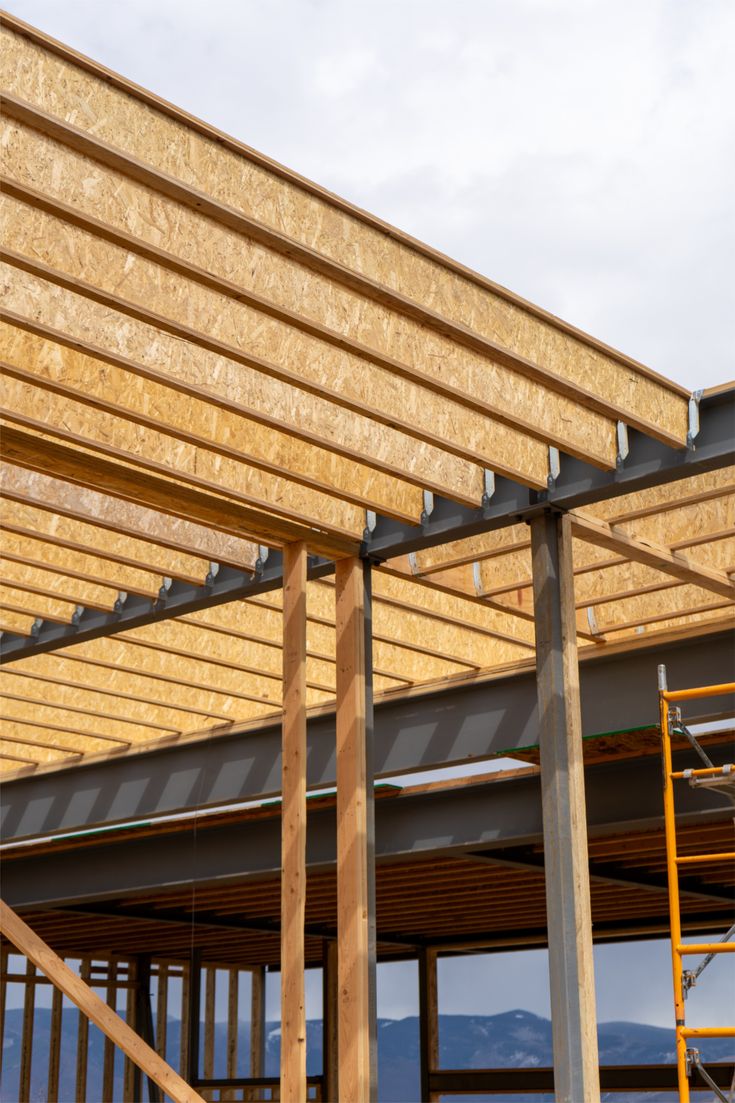
In modern construction, beams are fundamental structural elements that support loads and shape architectural spaces. However, beams don’t function in isolation. They interact with a variety of building installations, mechanical, electrical, plumbing (MEP), HVAC systems, fire protection, finishes, and interior layouts. Understanding how beams work with these installations is essential for efficient design, construction coordination, cost control, and long-term performance.
Beams are horizontal structural members that transfer loads to columns, walls, or foundations. Whether made from steel, concrete, or engineered wood, they carry gravity loads (floor, roof, occupants) and lateral loads in some systems.
In timber and engineered wood construction, beams like LVL laminated veneer lumber, glulam, and I-joists offer exceptional strength with lightweight, predictable behavior. For example, Fuqing’s product lines include LVL beams designed for structural framing in floors, roofs, and walls, which work seamlessly with other building systems.
A holistic understanding of beam-system interactions improves constructability and avoids costly rework. The design of building installations must consider:
Beam depth and placement
Clearances for services (ducts, pipes)
Fire protection requirements
Integration with finishes
Vibration control
Acoustics
HVAC systems rely on ductwork that often runs parallel or perpendicular to beam runs. Large ducts may need to pass through or underneath beams.
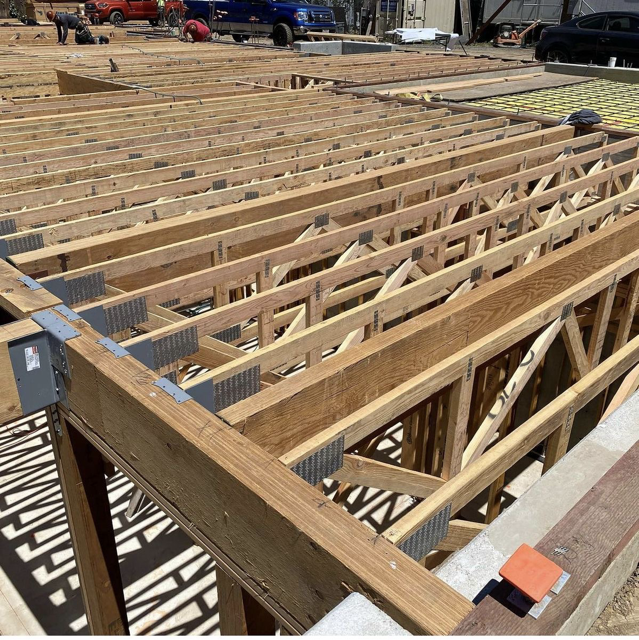
Beams must be sized to allow HVAC services without compromising structural capacity. Creating openings for ducts must be engineered to avoid weakening beams, especially in wood systems. For example, engineered I-joists with OSB webs, like those from Fuqing, allow designers to pre-cut or route services through the web within allowable limits, minimizing notches and holes in structural members. Ductwork shares connections with beams, so vibration isolators and flexible connectors are used to prevent transmission of noise and movement into the structure.
Proper integration improves energy performance and reduces potential conflicts during installation.
Electrical conduits, lighting runs, and data cabling require routing space throughout buildings.
Electrical conduit and raceways often run above ceilings or within plenum spaces. Beams influence routing paths. Engineered timber systems allow easier routing of services with standard drilled holes in webs, keeping flanges intact for structural performance. Suspended lighting and power installations may attach to beams or adjacent framing members. Coordination during design ensures that attachments don’t weaken structural members. Communication cabling shares pathways with electrical systems, requiring separation and careful planning along beam bays. By planning beam spacing and service zones early, designers minimize interference and installation time.
Plumbing pipes (water supply, waste, storm) and fire protection systems (sprinklers) must be coordinated with structural beams. Openings in beams must respect structural design constraints. In engineered systems like LVL or I-joists, allowable hole sizes and locations are specified by manufacturers and engineering standards. Drain and waste piping requires slope for gravity flow, influencing beam layout and ceiling heights. Fire sprinkler piping often runs below structural beams, requiring careful coordination to maintain ceiling geometry and head spacing. Beam integration reduces clashes during installation and supports modular prefabrication.
Finishes often converge with structural systems. Beam depth affects ceiling height and design. Using shallower engineered floor systems can preserve headroom or improve aesthetic flexibility. In interior design, beams may be exposed for aesthetic effect. LVL or glulam beams can be selected for both structural performance and visual appeal. Interior partitions typically rest on floor systems. Beam placement must allow for load paths and attachment points without interfering with finishes.
Understanding how finishes interact with beam systems improves architectural expression and functional layout.
Systems such as diffusers, sprinkler heads, and recessed lighting often mount below or within beam bays. Determining the location of devices relative to beams prevents last-minute adjustments on site. Some installations require direct connection to structural framing, so junction boxes or mounting plates must be integrated into beam design. When beams are sized and spaced thoughtfully, these installations integrate more smoothly.
Engineered wood beams are increasingly preferred because they provide predictable dimensions, consistent strength, and installation flexibility.
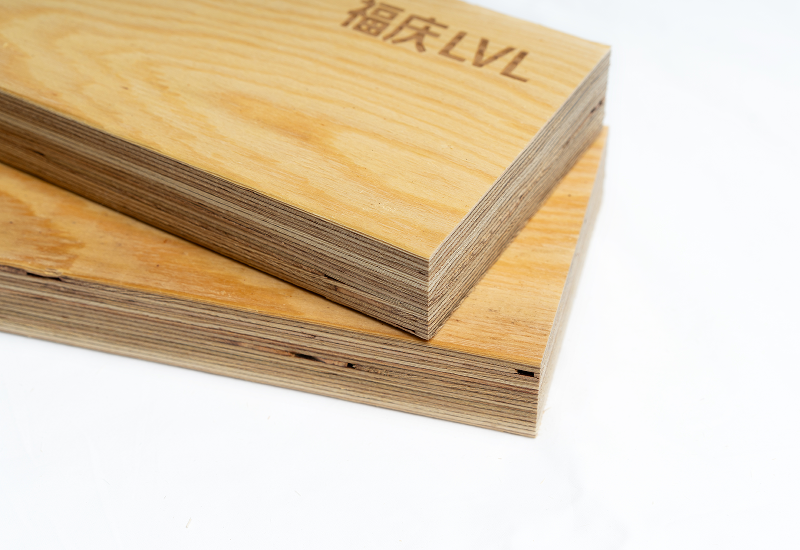
Laminated veneer lumber beams are made by bonding layers of wood veneers under controlled conditions. This results in:
Uniform strength: No weak knots or irregular grain.
Dimensional precision: Tight tolerance for beam depth and width.
Long span capability: Reduces the number of supports needed.
Because of these properties, LVL beams simplify the layout of MEP systems, reducing conflicts with services and allowing clean integration of mechanical runs, electrical conduits, and plumbing.
Products like Fuqing’s Structural LVL series reflect this engineered precision, offering predictable performance for floors, roofs, and wall headers.
Engineered I-joists consist of top and bottom flanges, often made from LVL or solid wood, and web panels, typically OSB. Their I-shaped cross section is ideal for routing services such as electrical conduit, plumbing pipes, low-voltage wiring, HVAC systems.
The wide OSB web allows for cutouts within manufacturer-specified limits, giving installers flexibility to pass services through the joist without compromising structural integrity. Fuqing’s I-Joist products are designed with these considerations in mind, supporting efficient framing and services routing.

Plywood panels, whether for floors or shear walls, work in conjunction with beams to support loads and provide diaphragmatic action. Plywood also provides a sturdy surface for attaching MEP hangers, bracing, and partitions. Beams combined with plywood panels form integrated systems that help align services and finishes with structural needs.
Structural engineers, MEP designers, and architects should collaborate early in the design process. Coordinating beam locations with mechanical and electrical pathways reduces on-site changes and delays.
Engineered products come with detailed installation and cutting guidelines. For example, when routing services near Fuqing OSB I-joists, follow specified limits on cutouts in the web to maintain performance.
Mechanical and electrical systems often require maintenance access. Plan beam spacing and clearance to allow accessibility for future repairs and inspection.
Prefabricated floor and roof panels that incorporate beams and service routes can reduce onsite installation time and improve quality control.
Services like fire sprinklers and emergency lighting must integrate with beams without compromising safety. This often requires coordination between structural and fire protection engineers.
Penetrations must avoid structural flanges unless allowed by engineering design. This is easier with I-joists because their OSB webs tolerate holes within specified limits. Always follow manufacturer and code guidelines.
In low-ceiling areas, beam depth can conflict with ductwork or piping. Using engineered shallow depth solutions, like optimized I-joists or LVL beams, helps manage clearances without sacrificing performance.
Fire safety may require separation between beams and service conduits. Coordination between structural and fire engineers ensures compliance with codes and protection systems.
Building installations that work with beams are central to modern integrated construction. Whether framing floors, roofs, or complex multi-story structures, designers must coordinate mechanical, electrical, plumbing, and other systems with structural members.
Engineered wood beams provide predictable strength and dimensions, flexibility for service routing, compatibility with finishes and architectural needs, and stable performance under load.
With thoughtful design, early coordination, and proper use of manufacturer guidance, building installations can be integrated seamlessly with structural beam systems, improving constructability and long-term performance.