EN
EN
 jp
jp  ko
ko 
Floor joists are one of the most fundamental structural components in residential and commercial buildings. Although they are usually hidden beneath finished floors, floor joists play a critical role in supporting loads, maintaining structural integrity, and ensuring long-term building performance.
Floor joists are horizontal structural members that span between walls, beams, or girders to support floors. They carry the weight of occupants, furniture, partitions, and finishes, transferring these loads safely to the building’s vertical structural elements such as walls and foundations.
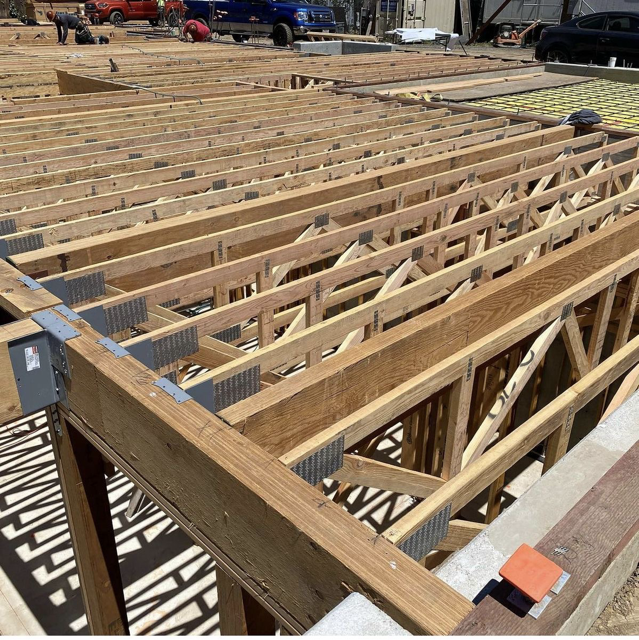
Joists are typically installed in parallel rows at regular spacing, commonly 12, 16, or 24 inches on center, forming the skeleton of a floor system. Once installed, a subfloor, such as plywood or OSB, is fixed on top of the joists to create a solid walking surface. Without properly designed and installed floor joists, a building would suffer from sagging floors, excessive vibration, and potential structural failure.
Floor joists can be manufactured from different materials, each offering unique performance characteristics depending on span length, load requirements, cost, and construction method.
Traditionally, floor joists were made from solid sawn timber, such as pine, fir, or spruce. While still used in some applications, solid wood joists can vary in quality due to natural defects like knots, grain irregularities, and moisture-related movement.
Modern construction increasingly relies on engineered wood joists, which are manufactured under controlled conditions to deliver predictable strength and dimensional stability. Common engineered options include I-joists, Laminated Veneer Lumber (LVL) joists, and Glulam beams used as joists. Engineered joists reduce variability and allow for longer spans with less material, making them highly efficient for modern floor systems.
This system uses solid wood joists supported by beams or load-bearing walls. While simple and familiar, it can be limited by span capability and wood quality.
Engineered systems use products like I-joists and LVL beams to achieve longer spans, lighter structures, and greater consistency. These systems dominate modern residential and light commercial construction.
Manufacturers such as Fuqing supply engineered I-joist systems designed specifically for efficient floor framing, combining strength, dimensional accuracy, and ease of installation.
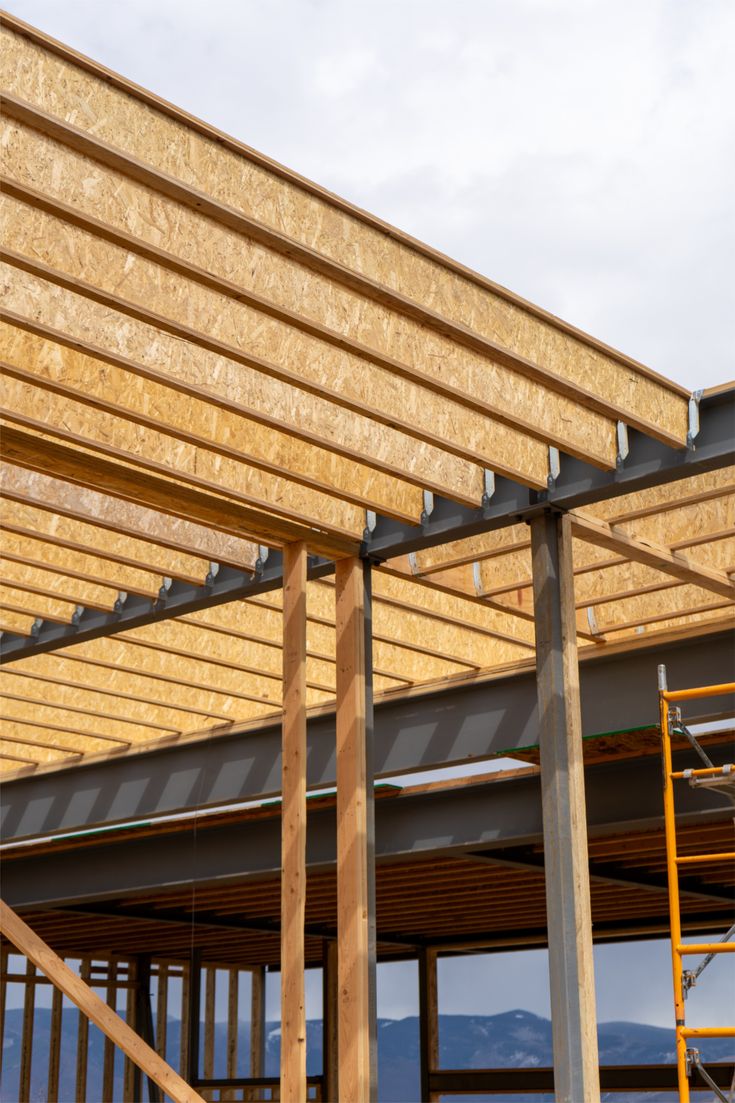
I-joists are engineered wood floor joists shaped like the letter “I”. They consist of top and bottom flanges, often made from LVL or solid wood, and a vertical web, commonly OSB. This configuration maximizes strength while minimizing material usage.
Fuqing I-Joists, for example, are OSB I-joists, designed to provide excellent load performance and stability for floor framing applications while allowing efficient material use.
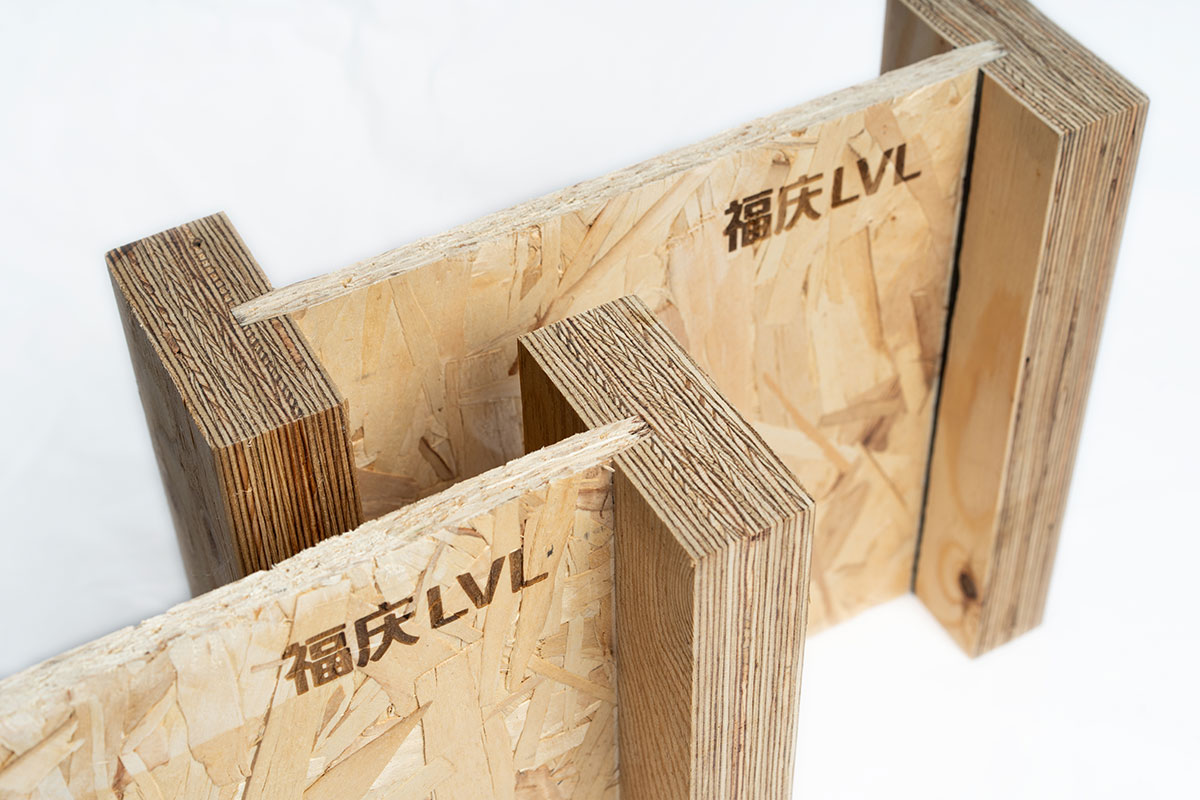
I-joists can span longer distances than traditional solid timber joists of the same depth, reducing the need for intermediate supports.
Engineered manufacturing minimizes warping, twisting, and shrinkage, resulting in flatter floors over time.
Because I-joists are manufactured under strict quality controls, builders can rely on predictable structural behavior.
The wide OSB web allows for pre-cut holes for plumbing and wiring, reducing on-site modifications.
Engineered wood joists contribute to sustainable construction by:
Using fast-growing timber species efficiently
Reducing waste compared to solid lumber
Lowering overall material consumption
Supporting lighter structural designs
Manufacturers like Fuqing focus on engineered wood products that align with modern sustainability goals while meeting structural performance requirements.
While traditional solid timber joists are still used, modern construction increasingly relies on engineered floor joists, such as I-joists, to achieve better performance and efficiency.
Engineered solutions, like OSB I-joists used in modern floor framing systems, offer longer spans, greater stability, and easier installation compared to conventional timber. As building designs continue to evolve, floor joists remain a critical element where engineering, material science, and construction practice intersect.
Understanding floor joists and floor framing is essential for designing stronger, safer, and more durable buildings whether for a single home or a large-scale construction project.