EN
EN
 jp
jp  ko
ko 
In modern construction, choosing the right structural material is a critical decision that impacts durability, safety, cost, and long-term performance. While solid wood beams have been used for centuries, engineered alternatives, especially LVL (Laminated Veneer Lumber) beams, have become increasingly popular in residential, commercial, and industrial building projects. This shift is driven by the demand for reliable, high-performance materials that meet structural standards and modern architectural needs.
With leading engineered wood manufacturers like Fuqing Wood providing advanced LVL and structural timber solutions globally, builders now have greater access to engineered materials that offer superior consistency, strength, and sustainability.
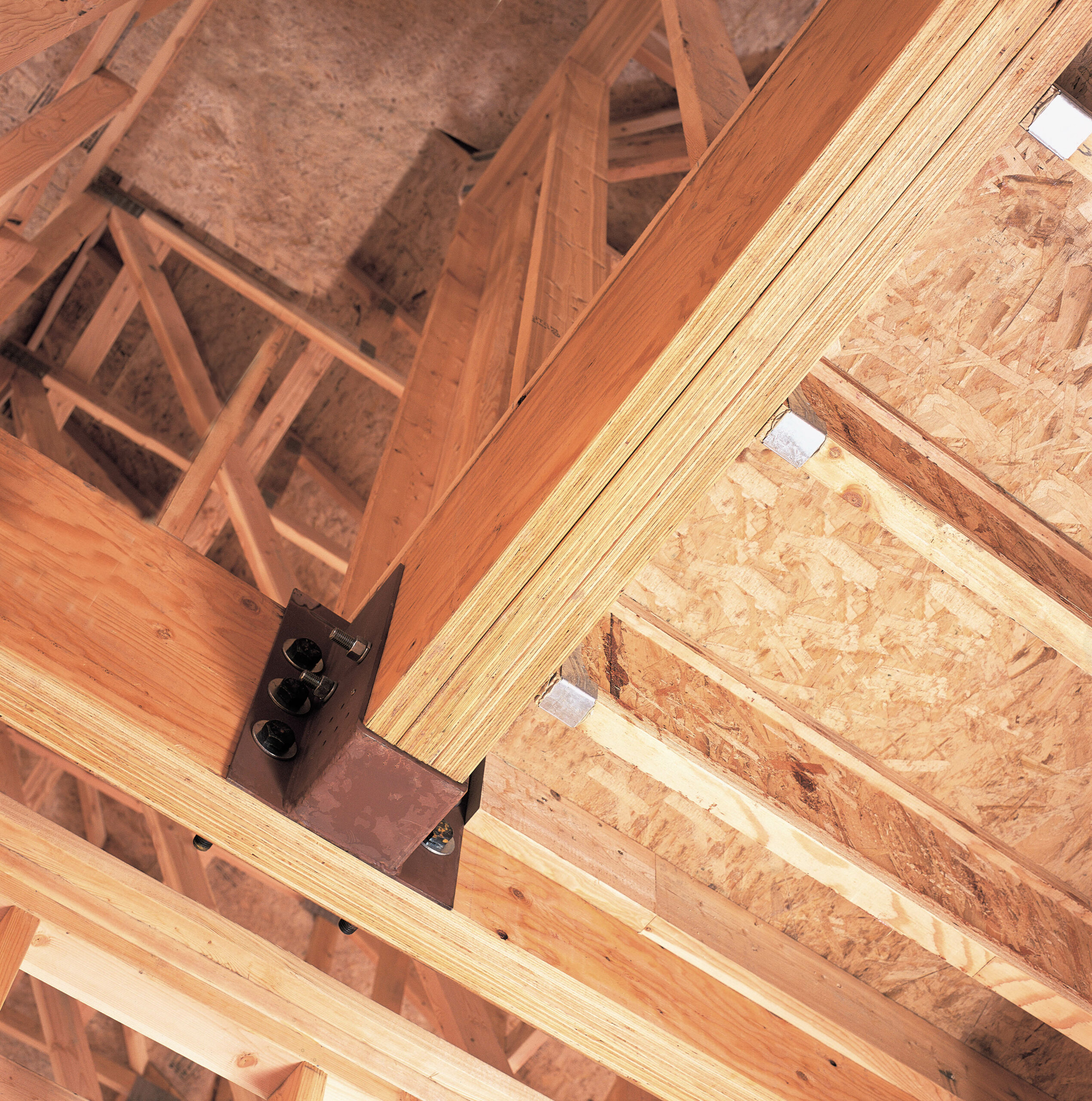
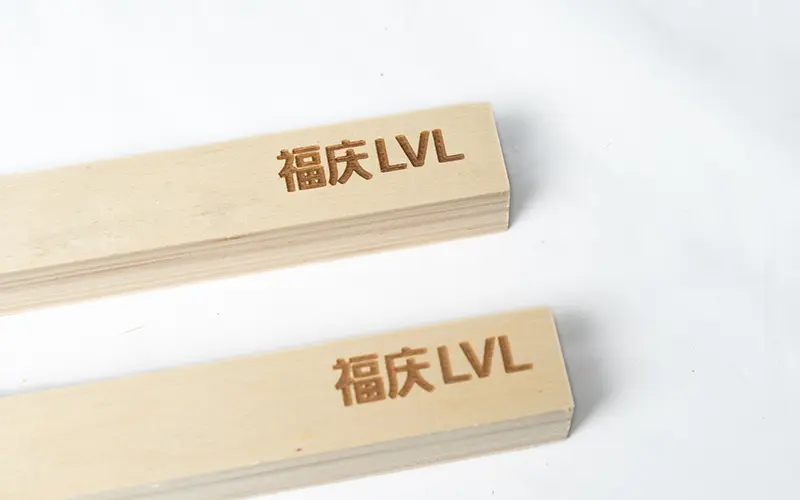
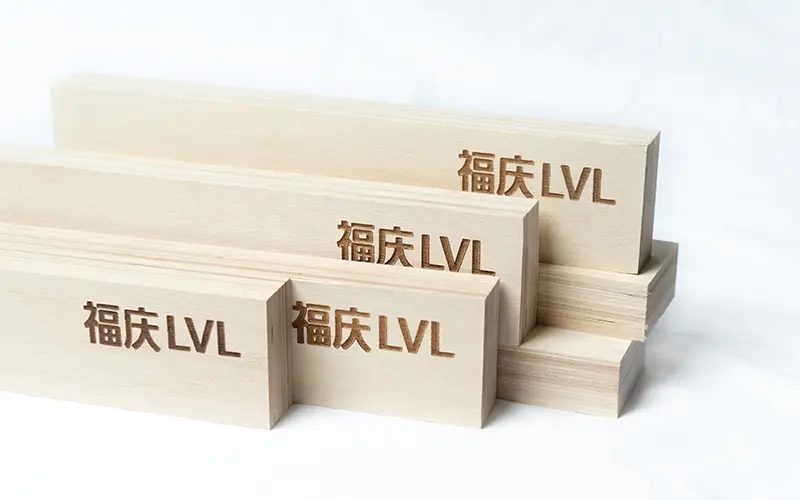
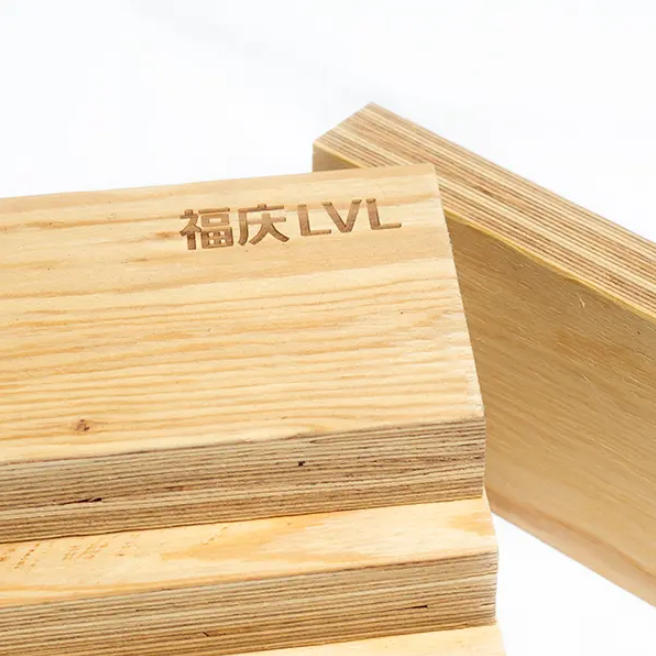
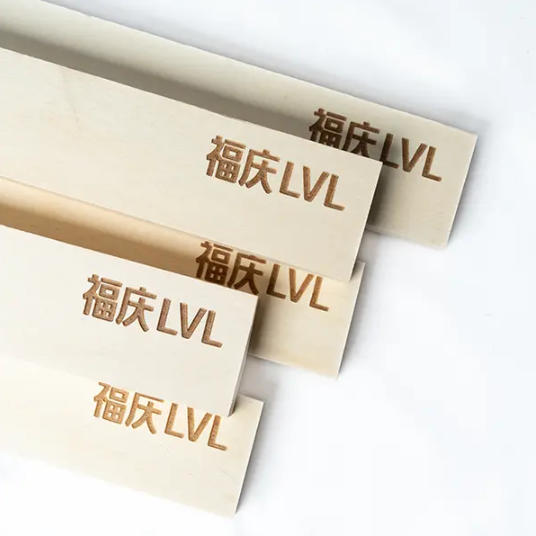
LVL stands for Laminated Veneer Lumber, a type of engineered wood product created by bonding together multiple thin wood veneers under heat and pressure with their grains aligned in the same direction. Because LVL is manufactured in a controlled environment, it delivers predictable performance, consistent strength, longer lengths and larger cross-sections than many conventional solid wood beams.
Due to these attributes, LVL material is widely used in load-bearing applications including headers, floor beams, roof members and rim boards.
Solid wood beams are sawn directly from logs and milled to size. They comprise a single piece of natural timber, softwood or hardwood, with natural grain, knots, and inherent variability.
Their strength, appearance and environmental attributes depend heavily on the species, quality of the log, the presence of defects like knots, drying method, and how it has been milled and treated. Solid wood is often preferred in visible exposed structural elements for its natural character and aesthetic value.
LVL beams generally offer higher strength and stiffness per cross-section than many solid wood beams because defects (knots, splits) are removed and veneers are aligned for optimal performance. Solid wood is strong, especially in hardwood varieties, but its performance can be less predictable due to natural variability.
LVL is manufactured to minimize warping, twisting, shrinking or swelling, giving it very good dimensional stability over its service life. Solid wood, conversely, may move more significantly with changes in moisture or temperature, leading to warping or cracking if not properly dried or treated.
Because LVL is engineered, it can be produced in very long continuous lengths and very large cross-sections, enabling fewer splices and supports in structural design. Solid wood beams are limited by log size and defects, which can restrict span and dimension without requiring joints or supports.
Solid wood offers natural beauty, grain variation, and is ideal where the beam will be exposed and visually important. LVL is designed for structural performance; if it is exposed, it may need overlay or veneer finish to improve aesthetics.
In many structural applications, LVL can be more cost-efficient over the long term because it can span farther, reduces waste, and may require fewer supports or splices. Solid wood might be less expensive initially especially softwoods, but when high-quality hardwoods are used or when spans increase, costs and complexity can rise.
LVL often uses smaller diameter logs, fast-growing species, and maximizes wood use by removing defects. It can therefore be more resource-efficient. Solid wood’s sustainability depends on forest management, species selection and waste; older growth hardwood may have higher environmental impact.
| Category | LVL Beams | Solid Wood Beams |
| Material Composition | Engineered from multiple wood veneers bonded with adhesives | Single, solid piece of natural timber |
| Strength & Load Capacity | Very high strength; consistent performance; ideal for heavy loads | Varies by species and grade; may include weak spots (knots, grain defects) |
| Span Capability | Long spans available due to engineered production | Limited by tree size; large spans require joints or special timber |
| Dimensional Stability | Excellent, resistant to warping, twisting, shrinking | Can warp, twist, or crack over time with moisture changes |
| Consistency | Uniform quality & predictable mechanical properties | Natural variability; each beam can differ |
| Appearance | Industrial finish; can be clad or painted | Natural grain; aesthetically superior for exposed beams |
| Moisture Resistance | Resistant but still needs sealing for exterior use | Can absorb moisture; requires drying and treatment |
| Weight | Typically lighter relative to strength | Can be heavy depending on species |
| Cost | Often more cost-effective for structural spans | Can be expensive for premium species or long beams |
| Environmental Impact | Efficient use of wood resources; uses fast-growing species | Depends on forestry practices; hardwood may impact forests more |
| Installation | Faster & easier due to precision manufacturing | Requires skilled handling; variations may need trimming |
| Best Use Cases | Structural beams, long spans, floors, roofs, rim boards | Visible rafters, decorative exposed beams, traditional structures |
| Fire Performance | Good fire-rated products available | Burns predictably but charring can offer protection |
| Lifespan | Very long when protected properly | Very long; varies based on species & environment |
| Availability | Manufactured to order; consistent supply | Supply varies by region, species, and forest resources |
Choosing between LVL beams and solid wood beams ultimately depends on your project’s priorities, including structural requirements, aesthetics, budget, and sustainability goals.
Choose LVL beams if your project demands long spans, high load capacity, dimensional accuracy, fewer supports, and predictable behavior. It’s ideal when the beam is hidden or not the primary visual feature, or when structural performance is critical.
Choose solid wood beams when visual appearance, natural wood grain, exposed timber character, and traditional craftsmanship are primary considerations. If spans are modest and materials are readily available, solid wood can be a suitable choice.
| Recommended Material | ||
| Project Need | LVL | Solid Wood |
| Long spans & heavy loads | √ | |
| Hidden structural beams | √ | |
| Visible decorative beams | √ | |
| Highest dimensional stability | √ | |
| Traditional aesthetics | √ | |
| Cost-effective large structures | √ | |
Both LVL and solid wood play important roles in the building industry. There is no universal answer to which is “better”. Rather, the best material is the one that aligns with your design, structural and budgetary needs.
However, as construction moves toward precision, durability, and sustainability, LVL has become the preferred choice for most structural applications. Whether you're working on residential framing, commercial infrastructure, or industrial structures, partnering with a reliable manufacturer like Fuqing Wood ensures access to advanced engineered wood products backed by strict quality control and global compliance standards.