EN
EN
 jp
jp  ko
ko 
Decks are among the most popular outdoor additions to homes and buildings. Whether you’re installing a backyard deck, raised patio, or outdoor living space, a properly designed joist system underpins strength, longevity, and safety. For anyone involved in planning or building deck structures, a clear understanding of deck joists, floor joists, timber selection, and engineered options is vital.
When someone asks “what is a joist on a deck?”, the answer is simple: A joist is the framing member beneath the deck boards that provides the structural support system.
Deck boards are fastened to joists, and joists are supported by:
Ledger boards attached to the house
Beams spanning posts
Perimeter framing members
This network creates a rigid, stable platform that supports loads and resists movement.
Deck joists differ from interior floor joists in two major ways:
Exposure to weather: Deck joists must be treated or designed to resist moisture and decay.
Span and spacing: Deck joists often require greater consideration of spacing based on decking material and local building codes.
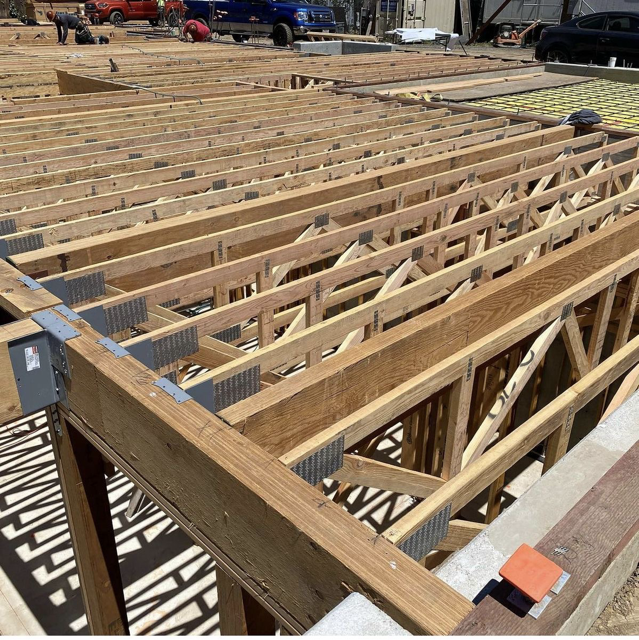
Traditionally, deck joists were made from wood lumber species such as southern yellow pine, cedar, or redwood chosen for natural durability or pressure treatment. But over the past decades, engineered wood joists like I-Joists have grown in popularity for both interior floors and exterior deck framing.
| Joist Type | Strength | Dimensional Stability | Weather Resistance | Cost | Ease of Installation |
| Solid Wood (Pressure-Treated) | Medium | Moderate | Varies with treatment | Lower | Easy |
| Natural Decay-Resistant Wood (Cedar/Redwood) | Medium | Good | Good | Higher | Easy |
| Engineered I-Joists | High | Excellent | Moderate-High | Moderate | Straightforward |
Engineered wood products provide a more predictable structural performance than solid wood, with less warping, twisting, or shrinkage. Among these, I-Joists are especially suited for floor and deck joist applications thanks to their efficient use of materials and consistent strength.
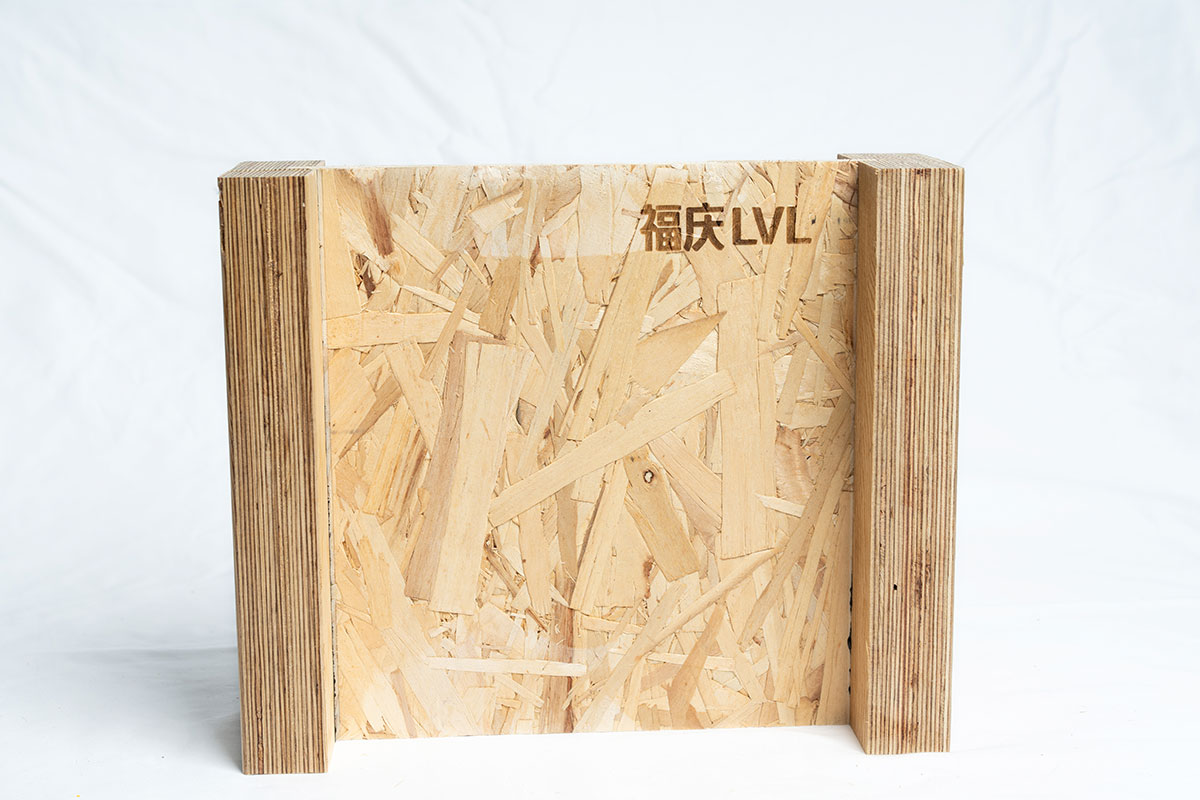
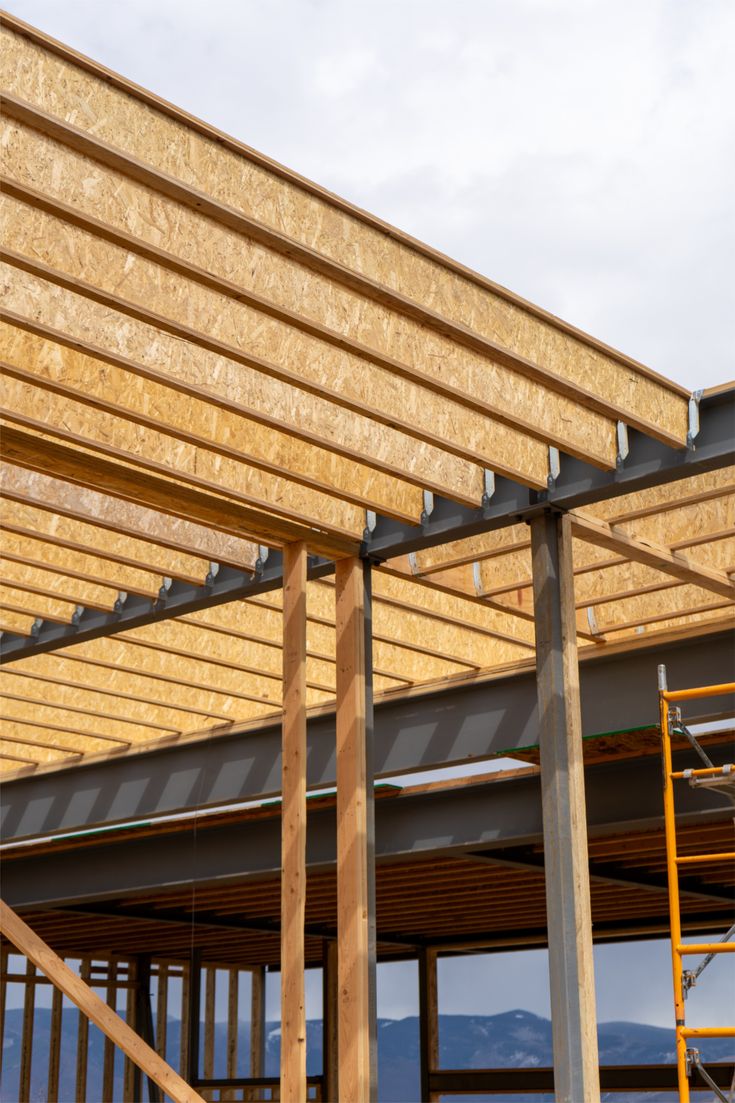
Engineered I-Joists, such as the OSB I-Joists offered by Fuqing, provide modern framing solutions that outperform many traditional options in several key areas:
I-Joists resist warping, cupping, shrinking and swelling. This is because they are manufactured under controlled conditions using engineered wood components. Fuqing’s I-Joists are designed with strong OSB webs and fortified flanges that deliver consistent performance even in demanding framing scenarios.
Engineered I-Joists can span longer distances than comparably sized solid wood members. This can reduce the need for intermediate supports, save time on framing, and improve usable under-deck space.
Because I-Joists separate the load-carrying flanges from the shear-resisting web, they use less material to achieve high strength, making them both cost-efficient and environmentally sound compared to oversized solid lumber.
I-Joist webs create open cavities that make it easier to run plumbing, electrical wiring, and mechanical services without drilling through solid timber members — an advantage for complex deck designs that incorporate lighting or built-in features.
Choosing the right joists for your deck and floor systems involves balancing strength, stability, cost, and durability. Solid timber remains a trusted traditional option, especially when pressure-treated or naturally decay-resistant species are used. However, engineered solutions like manufactured I-Joists offer significant advantages in structural performance, material efficiency, and span capability.
By combining engineered joists with proper framing practice and weather protection, your deck can achieve long-lasting performance with minimal maintenance, ensuring safety and comfort for years to come.
Yes. Engineered I-Joists are suitable for deck framing when properly installed and protected from moisture.
Pressure-treated timber or naturally decay-resistant species are common choices. Engineered I-Joists provide a high-performance alternative with better dimensional stability.
Span capability depends on joist type, depth, and spacing. Engineered I-Joists often offer longer span capacity compared to solid lumber of the same depth.
I-Joists themselves are not rot-proof. Proper protection, including sealing, drainage, and avoiding direct ground contact — is necessary in deck applications.