EN
EN
 jp
jp  ko
ko 
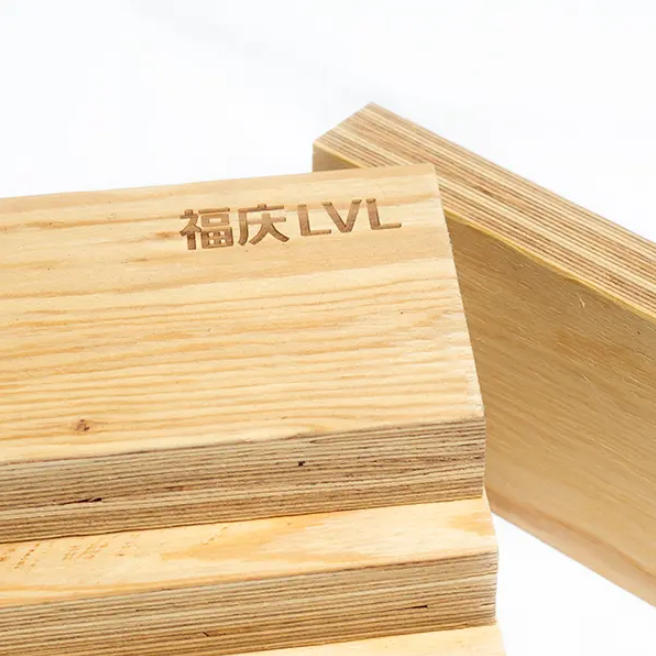
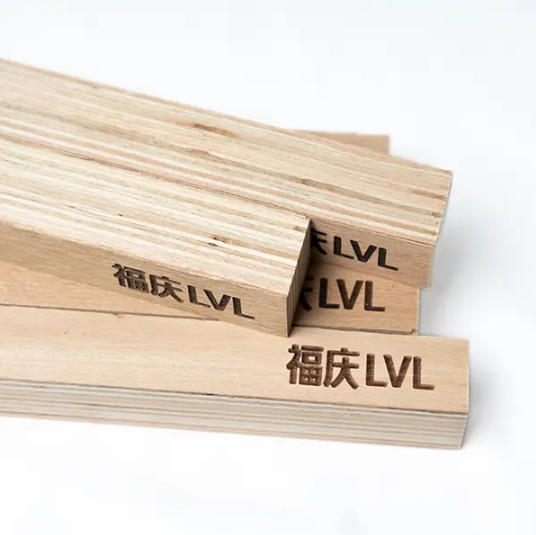
In contemporary furniture design, LVL furniture is gaining momentum as a material that harmonizes strength, precision, and aesthetics. Unlike traditional solid wood, LVL furniture (Laminated Veneer Lumber) is engineered from multiple layers of thin wood veneers bonded under heat and pressure to form panels exhibiting remarkable uniformity and durability. This manufacturing process removes common flaws found in solid wood—such as warping, knots, and cracking—making it an ideal substrate for furniture applications where stability and longevity are paramount.
What truly distinguishes LVL furniture is its combination of architectural stability, ease of machining, and aesthetic flexibility. The layered veneer construction ensures consistent density and moisture content, leading to minimal shrinkage and movement even under fluctuating environmental conditions. Panels are optimized for CNC machining, laser cutting, and finishing processes, delivering crisp profiles and flawless surfaces—traits highly valued by precision furniture makers striving for craftsmanship without compromise.
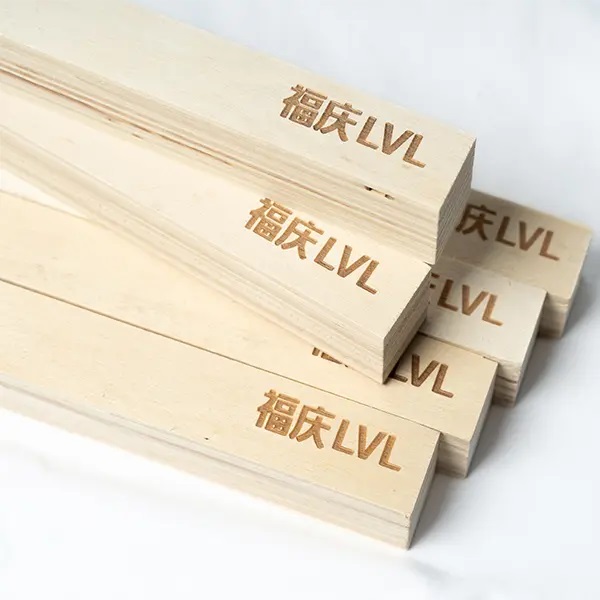
When evaluating materials for premium furniture, it's crucial to understand how LVL furniture stands against traditional solid wood. The table below outlines the core differences:
Feature | LVL Furniture | Solid Wood Furniture |
Dimensional Stability | Highly stable; resists warping and splitting | Prone to movement with humidity and temperature changes |
Structural Integrity | Uniform strength across panels, no natural defects | Strength varies; may contain knots or cracks |
Machinability & Finish | Precision machining, smooth finishes, minimal tear-out | Varies with grain; sometimes challenging to achieve clean edges |
Sustainability | Efficient use of veneers from fast-growing species | Often uses older, larger trees, increasing resource impact |
This comparison highlights how LVL furniture offers predictable performance and design versatility that traditional solid wood cannot consistently match.
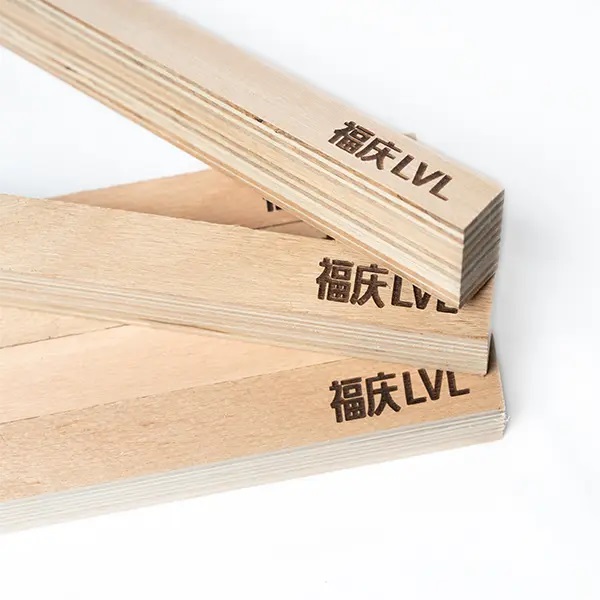
The adaptability of LVL furniture makes it a preferred choice for high-end furniture design. It accepts stains, paints, veneers, and laminates uniformly, enabling precise color matching and consistent surface texture—critical for premium furniture production. Additionally, the material’s stability supports intricate designs: fine joinery, curved elements, and complex profiles are reliably produced using CNC and laser tools, with minimal risk of finish anomalies or distortion over time.
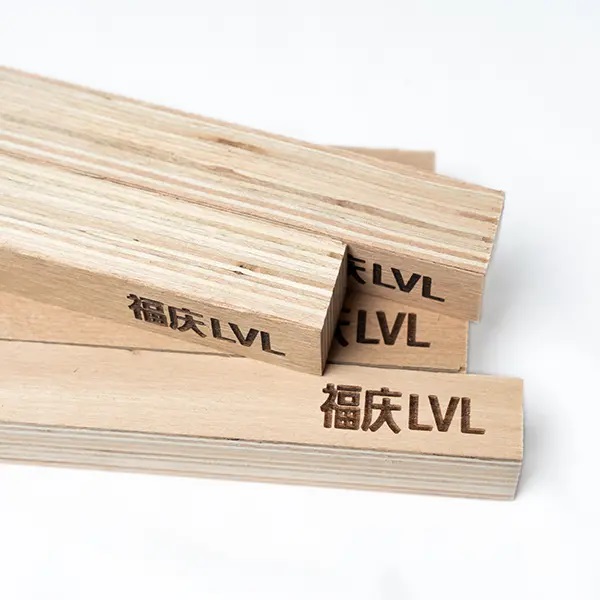
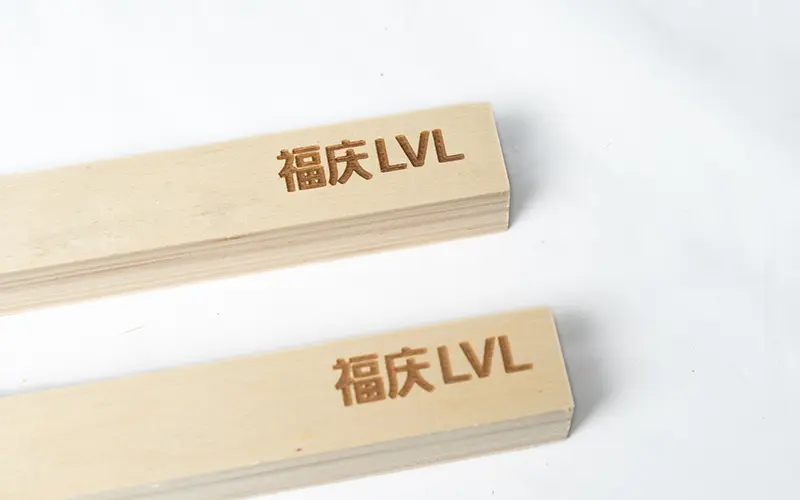
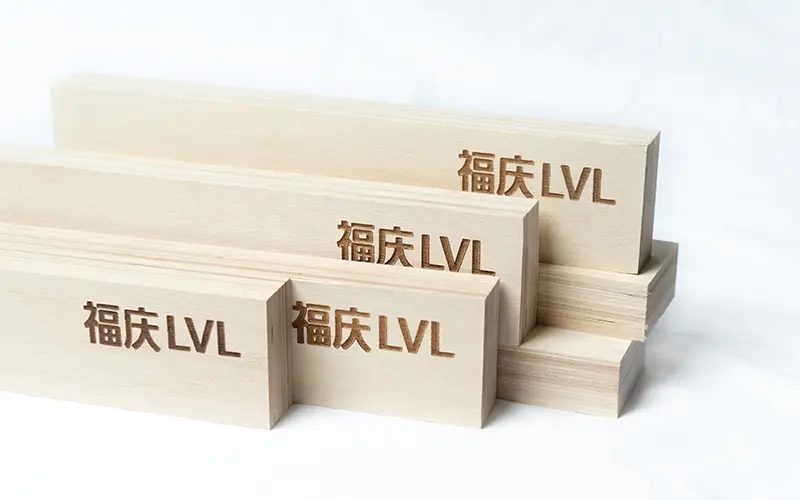
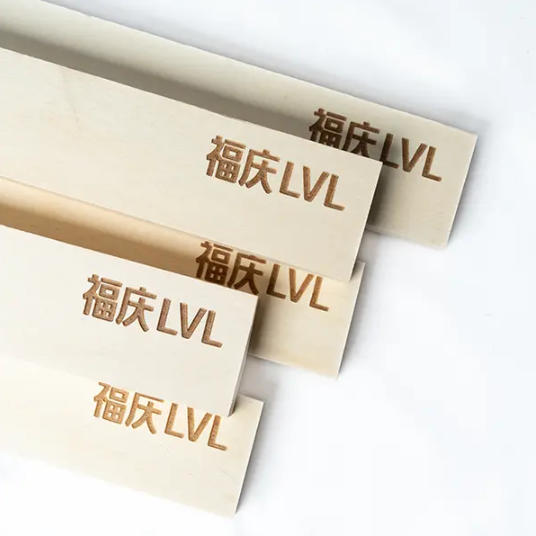
Fuqing's LVL crafted from species like poplar, eucalyptus, or pine—combine dimensional stability, environmental safety, and user-friendly processing. They feature moisture control (<12%), use climate-friendly adhesives (urea-formaldehyde or phenolic), and meet formaldehyde emission standards such as ENF. Sizes range from 10–70 mm thick, widths of 12–1200 mm, and lengths of 150–4000 mm. Furniture makers benefit from a material that is consistent, reliable, and easy to customize.