EN
EN
 jp
jp  ko
ko 
In today’s construction environment, engineers and builders increasingly turn to engineered wood solutions for structural reliability, sustainability, and performance. One of the key products in this shift is the LVL beam, a high-performance engineered wood member designed to meet demanding structural requirements. By leveraging controlled manufacturing, premium veneer materials, and rigorous quality assurance, LVL beams have become a cornerstone in modern framing systems. The demand for longer spans, fewer supports, lighter loads, and more sustainable materials has fueled the rise of LVL beams in residential, commercial and industrial buildings alike.
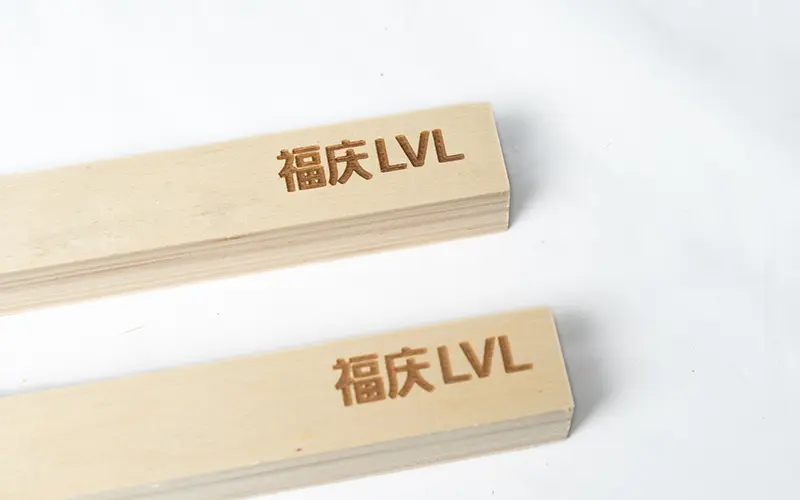
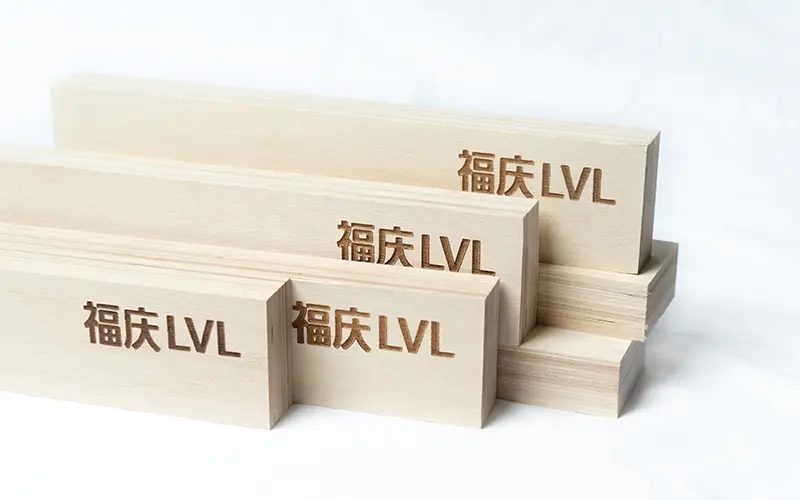
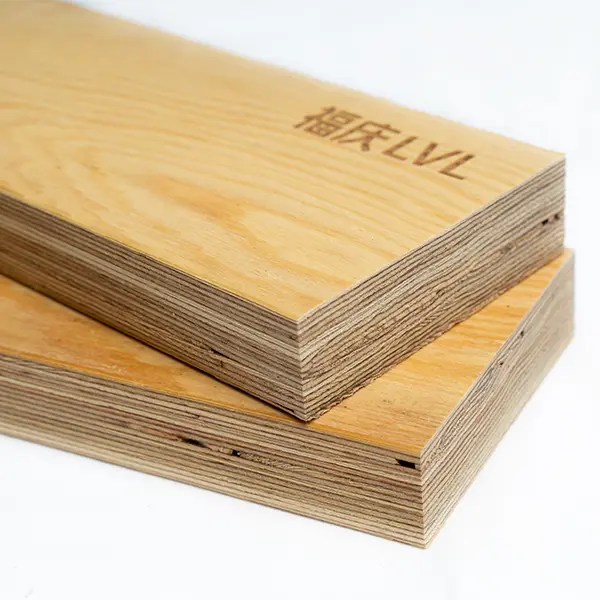
In construction, the term LVL stands for Laminated Veneer Lumber. It is an engineered wood product created by bonding together multiple thin wood veneers with the grain running parallel, under heat and pressure. Because the veneers are aligned in the lengthwise direction rather than alternating, LVL beams can be manufactured in long, continuous lengths that are not limited by log size. In practical construction use, a construction LVL beam is a structural member used to carry loads such as headers, lintels, floor beams, roof beams and other parts of the framing system where performance and consistency are crucial.
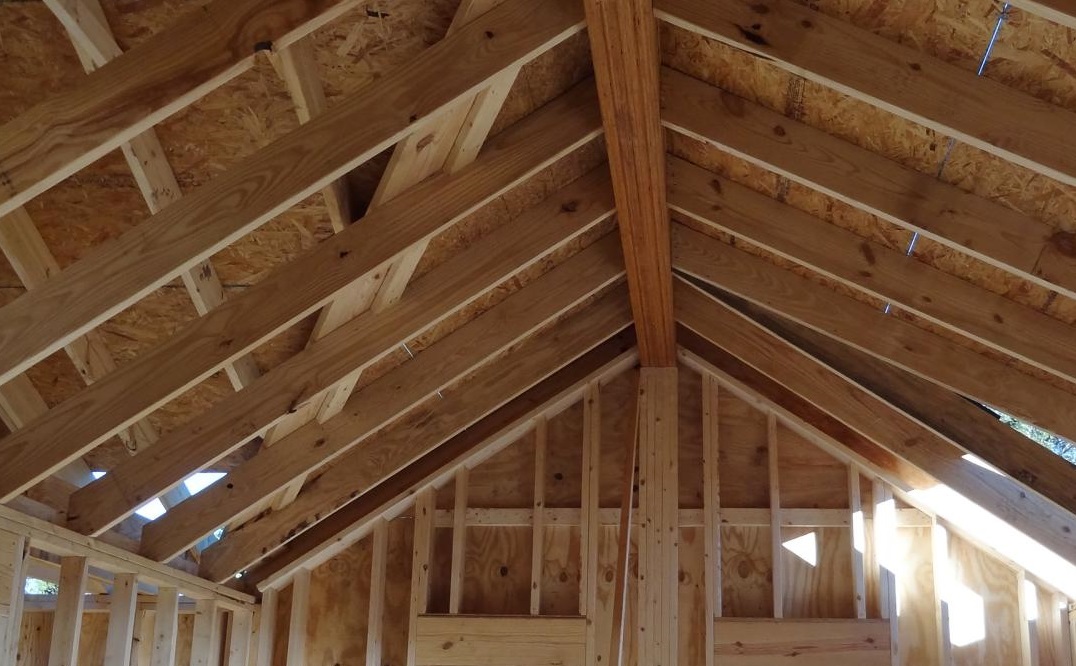
LVL beams offer several compelling advantages which explain their growing popularity in modern buildings:
Their strength and stiffness are significantly higher than many comparable-sized solid sawn timbers. Because they are manufactured under controlled conditions and veneers are bonded without natural defects like large knots or splits, LVL provides predictable structural performance.
Because veneer layers can be selected and oriented, LVL beams have excellent dimensional stability. They resist warping, twisting, and shrinkage much better than traditional lumber.
LVL beams allow for longer spans and fewer supports, which is beneficial in open-plan design, large rooms, and commercial settings.
LVL supports more sustainable building practices: the manufacturing process uses smaller logs or fast-grown species, and it reduces waste compared to large solid timber members.
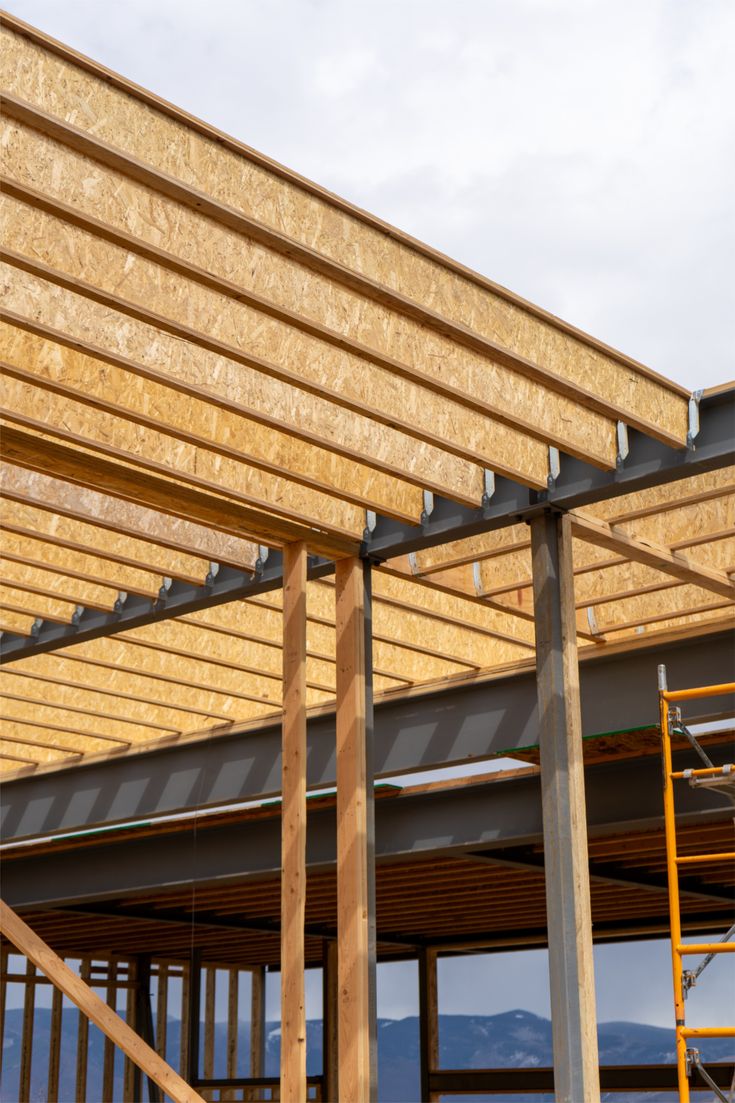
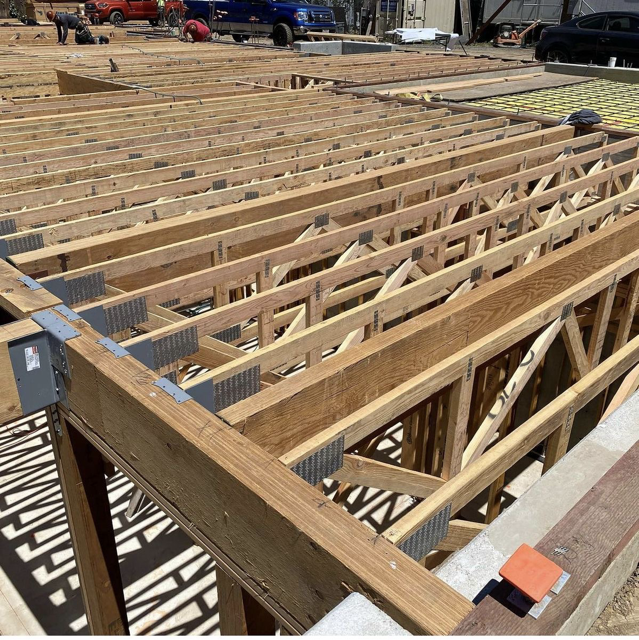
In practice, LVL beams are integrated into a variety of structural applications. They may be installed as headers above large window or door openings, as floor beams supporting joist systems, as roof girders or as rim boards around the perimeter of a floor or roof system. When designing an LVL beam into a framing system, key considerations include span length, load capacity, bearing conditions at supports, and how the beam interacts with joists, hangers or other structural elements.
Because LVL is manufactured, installation tends to be straightforward: miters, cuts, and connectors can be applied much like solid timber, but caution must be taken to avoid unsupported notches, excessive drilling or misuse of the engineered member. In addition, the manufacturing process of LVL allows for consistent cross-section and uniform behaviour, so engineers can reference published design tables and performance data rather than relying on variable solid timber properties.
Partnering with a professional, experienced LVL beam manufacturer brings distinct benefits for construction projects. A reputable manufacturer ensures that each LVL beam is produced under strict quality control, selecting high-grade veneer, controlling moisture content, using certified adhesives, and delivering consistent mechanical performance. For instance, Fuqing emphasises that its structural LVL range (E10–E16) is built from carefully selected raw materials, eco-friendly glue, stable moisture content and customisable specifications.
A professional manufacturer also provides comprehensive documentation: beam grade stamps, span tables, test certificates and installation guidelines, all critical for engineers, builders and inspectors. Having access to this data mitigates risk in design and ensures compliance with codes. Moreover, working with a manufacturer that supports dimensions customisation, global supply chain readiness, and consistent logistics (as Fuqing demonstrates with export to over 100 countries) enhances on-site reliability and project scheduling. Finally, manufacturers with full lifecycle capability, from raw log import, veneer production, beam fabrication to delivery, can respond to large volume or custom orders, reduce lead-times, and ensure that engineered beams integrate seamlessly into the overall structural system.
An LVL beam is a high-performance engineered wood component designed for structural use in construction. It provides superior strength, stability, consistency and sustainability compared to many traditional timber alternatives. By specifying LVL beams and partnering with a trusted manufacturer such as Fuqing, designers and builders can enjoy not only advanced material performance, but also reliable supply, certified documentation, and tailored support. Whether used for headers, floor beams, roof girders or other structural members, LVL beams represent a forward-looking choice in modern timber framing.