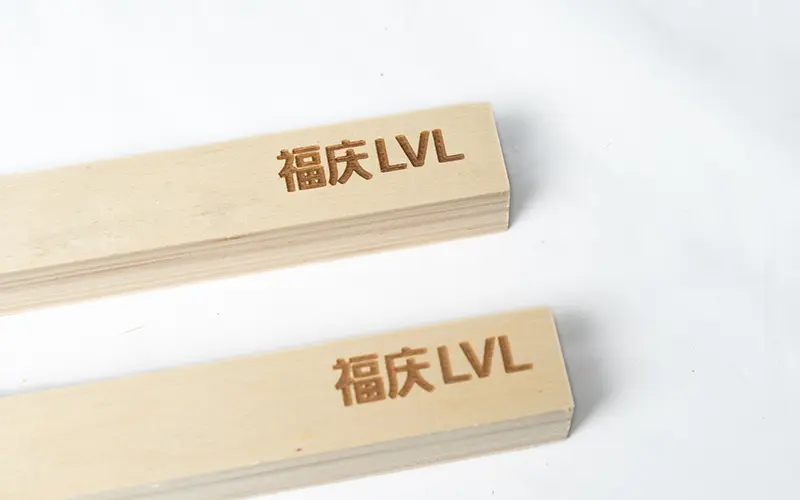
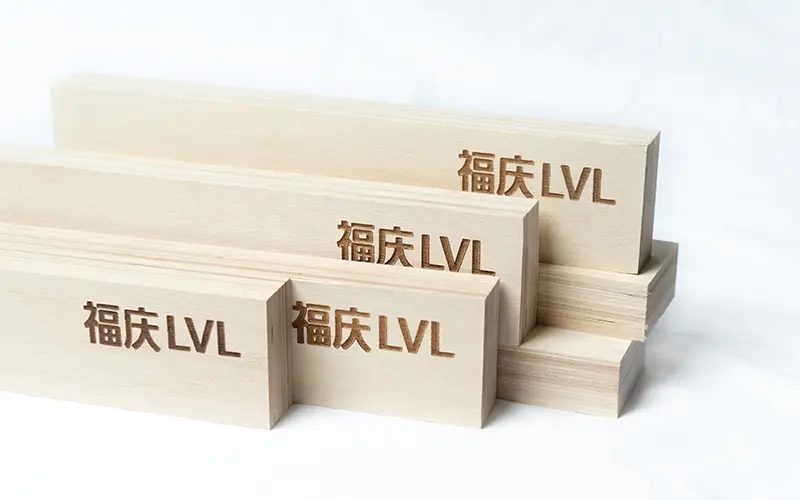
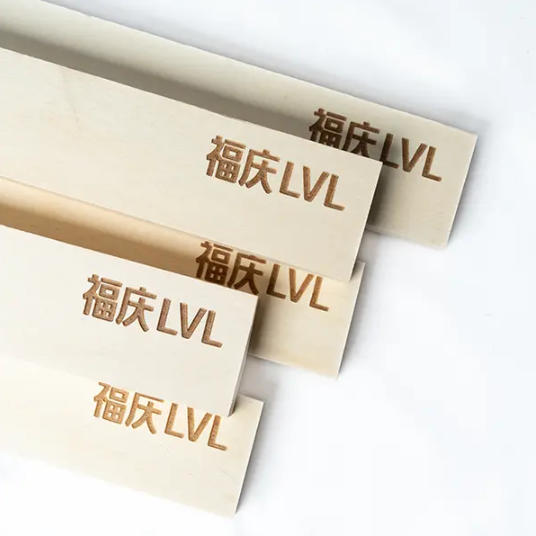
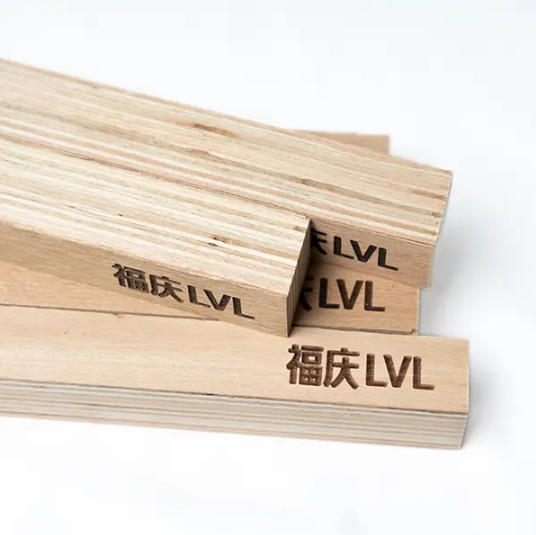
Outdoor structures, from decks and pergolas to roofing systems and carports, require building materials that combine strength, durability, and weather resistance. Traditionally, solid timber has been the go-to choice for these applications, but it often struggles against warping, splitting, and decay when exposed to the elements. This has led many builders, architects, and homeowners to explore exterior LVL (laminated veneer lumber) and laminated beams as a more reliable alternative.
Exterior LVL beams are engineered to withstand challenging outdoor environments while maintaining stability and performance. When treated and installed properly, they provide a long-lasting, cost-effective solution for exterior structural applications. Among these, Fuqing’s E15 Structural LVL is a strong example of what advanced exterior-capable LVL can achieve. This article explores what exterior LVL beams are, why laminated beams are ideal for outdoor use, their benefits, and practical applications.
What are Exterior LVL Beams?
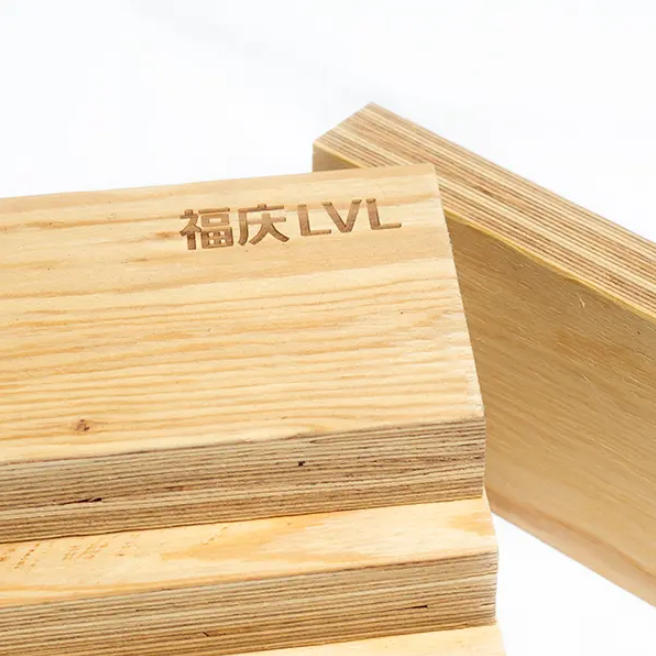
Laminated Veneer Lumber (LVL) is an engineered wood product made by bonding multiple layers of thin wood veneers together under heat and pressure. Each veneer is oriented with its grain running parallel, creating a dense, strong beam with predictable performance. When manufactured and treated specifically for outdoor use, LVL beams are classified as exterior LVL beams. These beams are infused with preservatives or coated with protective finishes to resist moisture damage, fungal decay, termite and insect attack, UV degradation (with proper surface protection). The result is a versatile, engineered laminated beam that can support heavy loads while withstanding outdoor exposure.
Advantages of Laminated Beams for Exterior Use
Using laminated beams outdoors provides significant benefits compared to solid timber or untreated alternatives.
1. Superior Strength
The cross-lamination and adhesive bonding process gives LVL beams exceptional load-bearing capacity. This makes them suitable for heavy structural applications such as decking joists, roof beams, and pergola posts.
2. Dimensional Stability
Unlike solid timber, which expands and contracts significantly with changes in moisture and temperature, LVL beams maintain their shape and dimensions. This reduces warping, twisting, and splitting over time.
3. Consistency
Because LVL is engineered, it has uniform strength across its entire length. Builders don’t have to worry about natural defects such as knots, voids, or grain irregularities that are common in solid wood.
4. Longer Lengths and Sizes
LVL beams can be manufactured in long, continuous lengths that are difficult to source in natural timber. This makes them particularly useful for large-span outdoor structures.
5. Fire Resistance Options
Some exterior LVL beams are available with fire-retardant treatments, making them suitable for projects where fire safety is a concern.
6. Sustainability
By using smaller-diameter logs and maximizing wood utilization, LVL production is often more environmentally efficient than traditional solid timber harvesting.
Exterior Applications of LVL Beams
Exterior LVL beams are suitable for a wide range of outdoor projects:
Decks and Patios
LVL beams provide strong, stable support for deck joists, ledger beams, and posts. Their resistance to bending and sagging makes them ideal for long-span decks.
Pergolas and Gazebos
For outdoor shade structures, LVL beams create a sleek, modern look while offering the structural strength needed to support roofing materials.
Carports and Garages
LVL beams can be used for load-bearing headers, rafters, and lintels in exterior carport or garage construction.
Roofing Systems
In exterior roofing applications, LVL beams serve as ridge beams, rafters, and support beams, ensuring structural integrity and weather resistance.
Outdoor Extensions and Framing
For home extensions, porches, and garden structures, laminated beams offer a reliable framing solution that stands up to outdoor exposure.
How Exterior Laminated Beams Compare to Solid Timber Outdoors?
While solid timber remains popular, laminated beams have clear advantages when used outdoors:
Strength: LVL beams are stronger per unit of weight than most solid timbers. Fuqing E15 Structural LVL are designed with high strength and stiffness for demanding load-bearing parts such as beams, headers, columns, and joists.
Durability: Treated laminated beams resist decay and termites better than untreated timber.
Span Capacity: LVL beams can span longer distances without additional support.
Predictability: Engineered beams have consistent mechanical properties, whereas natural timber can vary widely.
Sustainability: LVL uses wood resources more efficiently, reducing waste.
The only limitation is that exterior LVL must be properly treated or coated, while naturally durable hardwoods may perform reasonably well outdoors without treatment.
Maintenance Tips for Exterior LVL Beams
Surface Sealing: Apply a waterproof sealant or exterior-grade paint to protect against moisture and UV rays.
End Protection: Seal cut ends of beams immediately after installation to prevent water ingress.
Proper Ventilation: Ensure airflow around beams to reduce prolonged moisture exposure.
Regular Inspection: Check for cracks, delamination, or fungal growth, and reapply sealant when needed.
Avoid Direct Ground Contact: Install beams on concrete footings or metal supports to prevent soil moisture absorption.
Exterior LVL and laminated beams are transforming outdoor construction by offering the strength of engineered wood with the durability needed for challenging environments. Whether used in decks, pergolas, roofing, or structural framing, they provide reliable, long-lasting performance that outshines traditional solid timber in many cases.
By combining superior load capacity, dimensional stability, and resistance to environmental damage, exterior LVL beams are not just an alternative—they are increasingly becoming the preferred material for modern outdoor projects. With proper treatment, installation, and maintenance, they ensure safe, durable, and sustainable structures for years to come.
FAQs about Exterior LVL Beams
Can LVL Beams Be Used Outside?
Yes, but only when treated or coated for exterior use. Standard interior-grade LVL is not suitable for outdoor exposure.
How Long Do Exterior LVL Beams Last?
When properly treated and maintained, exterior LVL beams can last for decades, comparable to or longer than solid timber.
Are Exterior LVL Beams Waterproof?
While not naturally waterproof, exterior LVL beams are treated with water-resistant adhesives and preservatives. A protective surface coating is recommended for best performance.
Is Exterior LVL More Expensive than Timber?
Yes, the upfront cost is typically higher than standard timber. However, the longer lifespan, reduced maintenance, and greater structural reliability make it cost-effective over time.
 EN
EN
 jp
jp  ko
ko