EN
EN
 jp
jp  ko
ko 
When embarking on woodworking or construction projects, selecting the appropriate material is paramount. Two commonly used engineered wood products are plywood and plyboard. While they may appear similar, they possess distinct characteristics that influence their suitability for various applications. Understanging the difference of plywood and plyboard is essential When choosing wood-based panels for furniture, interior design, or construction.
Plywood is an engineered wood panel crafted by bonding multiple thin layers of wood veneers together, with each layer's grain direction alternating. This cross-graining technique enhances the panel's strength, stability, and resistance to warping.
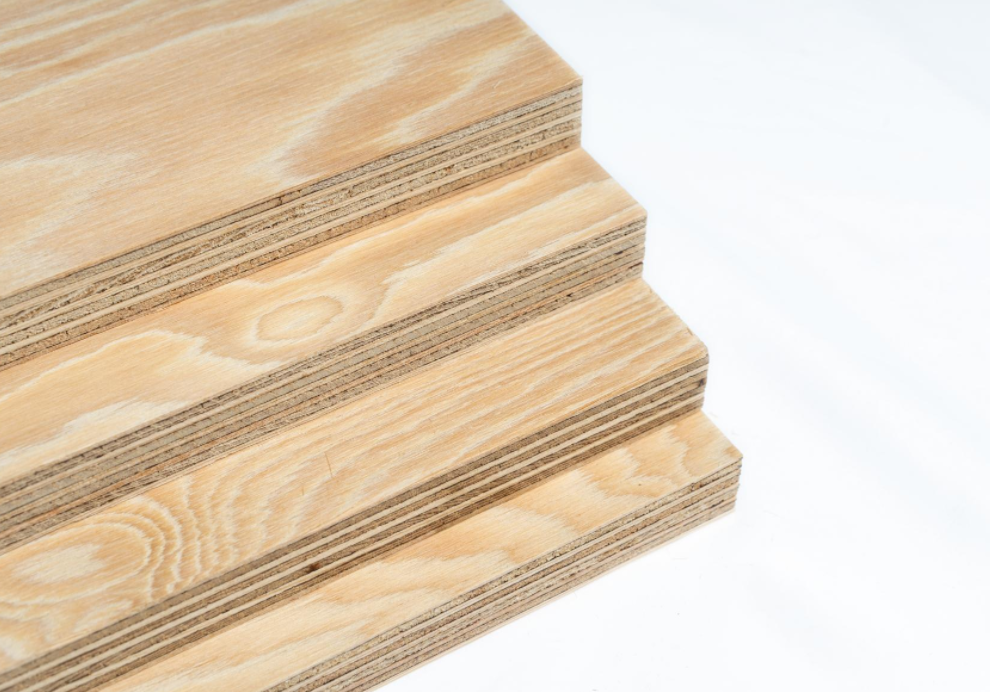
Composition: Made from multiple layers (plies) of wood veneer.
Strength: Offers high strength and durability due to its layered construction.
Moisture Resistance: Handles moisture better, making it suitable for humid environments.
Weight: Generally heavier and denser compared to plyboard.
Cost: Tends to be more expensive due to its manufacturing process and quality.
Plyboard, often referred to as blockboard, is an engineered wood product consisting of a core made from softwood or hardwood strips, sandwiched between thin layers of wood veneer. The core is typically glued together under heat and pressure.
Composition: Core made from strips of wood, with veneer layers on top and bottom.
Strength: Moderate strength; may bend under heavy load if core strips are wide apart.
Moisture Resistance: Less resistant to moisture; generally for interior use unless specially treated.
Weight: Lighter compared to plywood.
Cost: More affordable due to simpler manufacturing process.
| Feature | Plywood | Plyboard |
| Core Composition | Multiple layers of wood veneer | Core of softwood or hardwood strips |
| Strength | High; suitable for structural applications | Moderate; best for interior, low-load uses |
| Moisture Resistance | Good; suitable for humid environments | Poor; may swell or deteriorate over time |
| Weight | Heavier and denser | Lighter and easier to handle |
| Cost | Higher due to quality and manufacturing | More affordable and cost-effective |
| Applications | Furniture, flooring, wall panels, marine uses | Doors, panels, interior furniture, partitions |
Furniture: Ideal for making cabinets, tables, and chairs due to its strength and finish quality.
Construction: Used in flooring, roofing, and wall panels where structural integrity is crucial.
Marine: Marine-grade plywood is specially treated to resist moisture, making it suitable for boat building and outdoor applications.
Interior Furniture: Commonly used for making doors, partitions, and paneling in interiors.
Decorative Panels: Suitable for applications where the material is not exposed to moisture.
Cost-Effective Projects: Chosen for budget-friendly projects requiring moderate strength.
Choosing between plywood and plyboard depends on the specific requirements of your project. If you need a material with high strength, durability, and moisture resistance, plywood is the preferred choice. However, for interior applications where cost-effectiveness and lighter weight are priorities, plyboard offers a suitable alternative.
For more detailed information and product options, consider visiting reputable ply board or ply wood suppliers specializing in these materials.
There are four grades of plywood. Grade A the highest quality. Grade B is not as smooth as Grade A. Grade C can have knots in the panel. Grade D is the least costly.
Plywood is stronger and more rigid, making it suitable for structural applications, flooring, and heavy furniture. Plyboard is moderately strong and best for interior furniture, doors, and partitions.
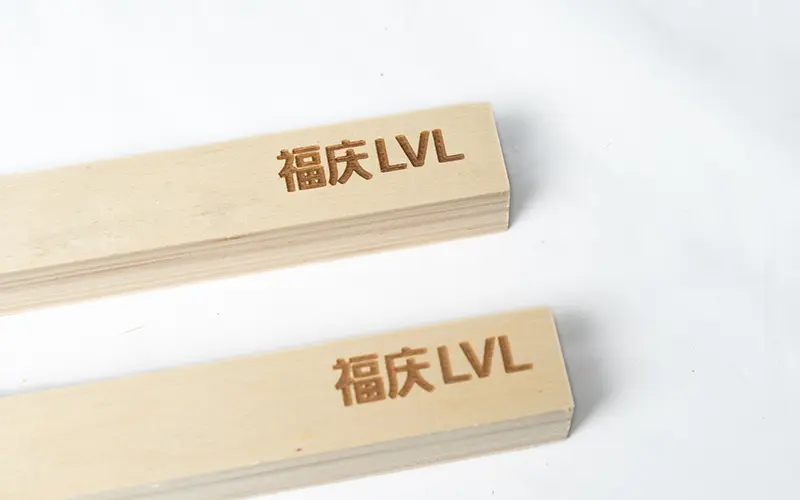
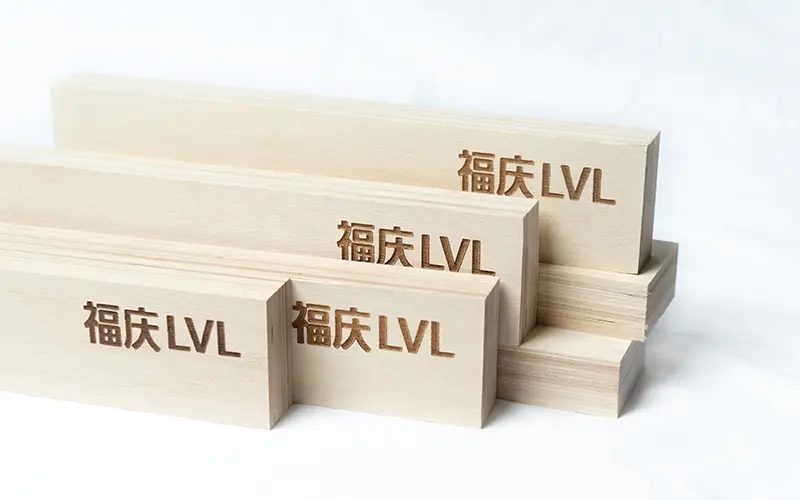
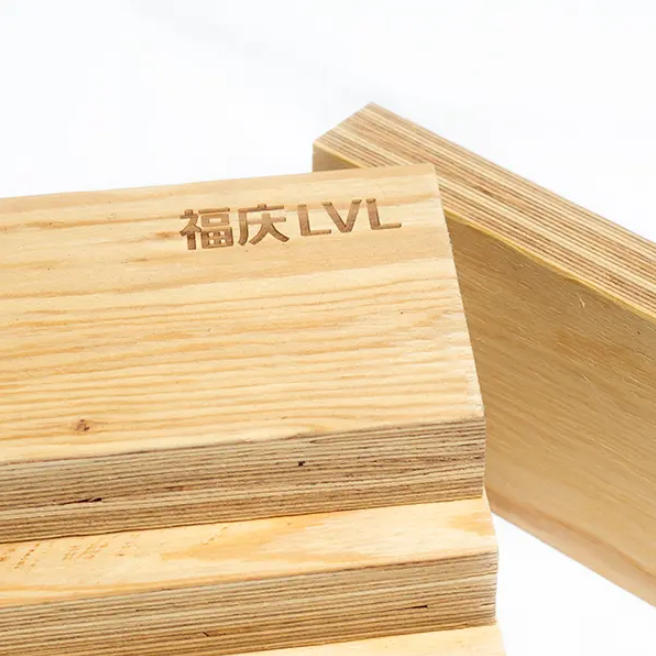
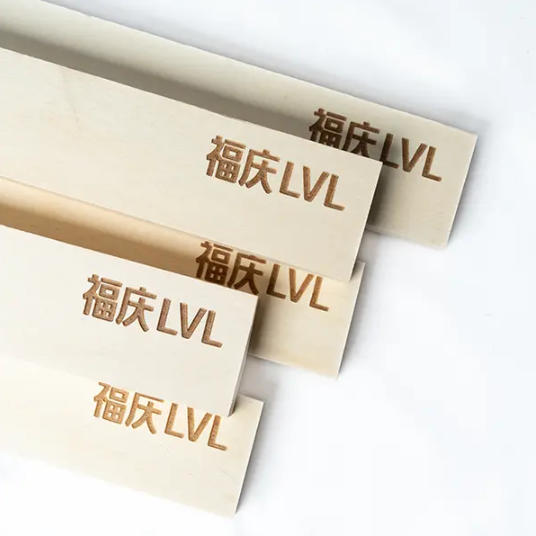
Fuqing structural plywood types:
Standard plyboard is not recommended for outdoor use as it is less resistant to moisture. Plywood, especially marine or exterior-grade plywood, is a better choice for outdoor applications.
Yes. Both can be painted, laminated, or veneered. Plywood usually provides a smoother and more stable surface, while plyboard may require additional preparation for a perfect finish.
There is no single answer that applies to every project. The better material depends on your specific needs, environment, and load requirements.
Choose plywood for load-bearing, heavy-use, moisture-exposed, or long-lasting structural projects.
Choose plyboard for lightweight, interior, decorative, or cost-sensitive projects where high strength is not required.