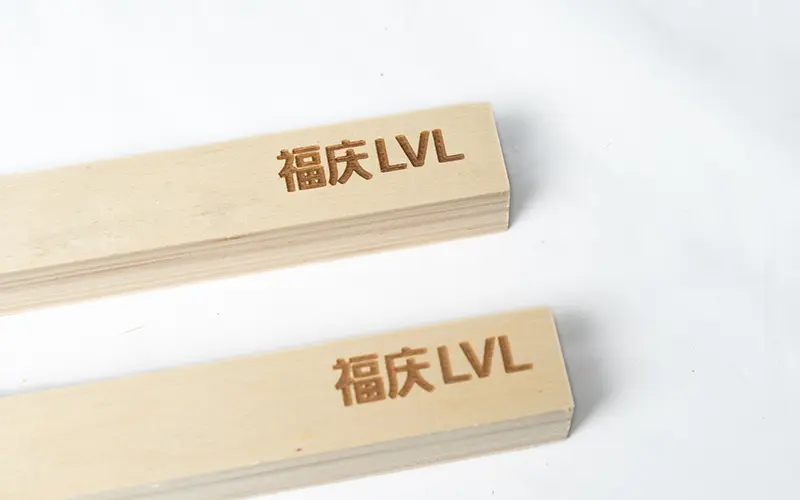
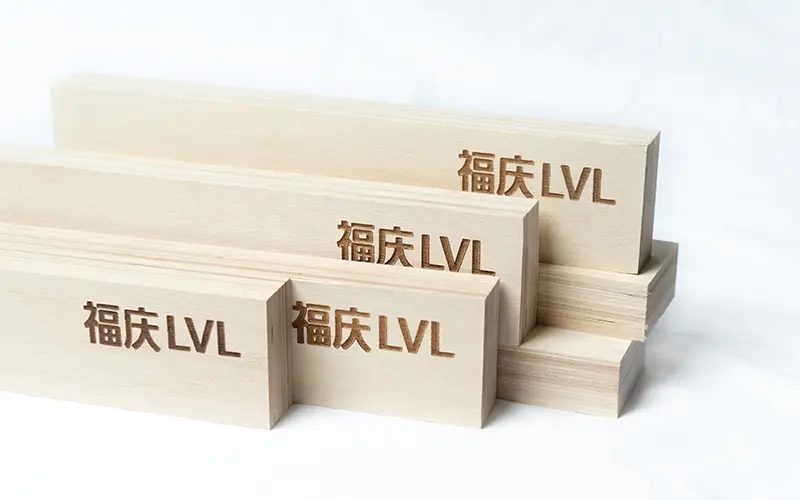
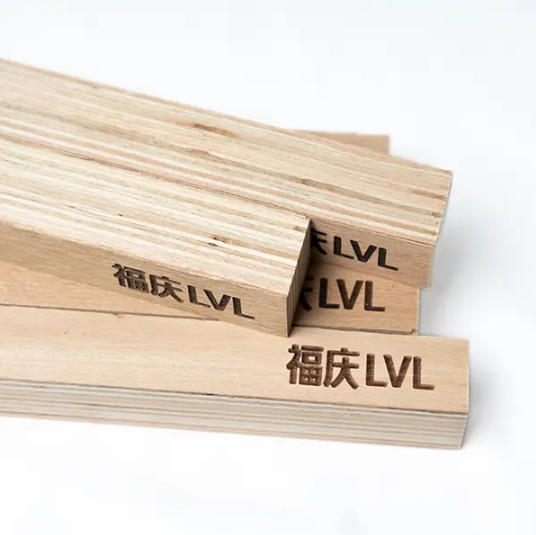
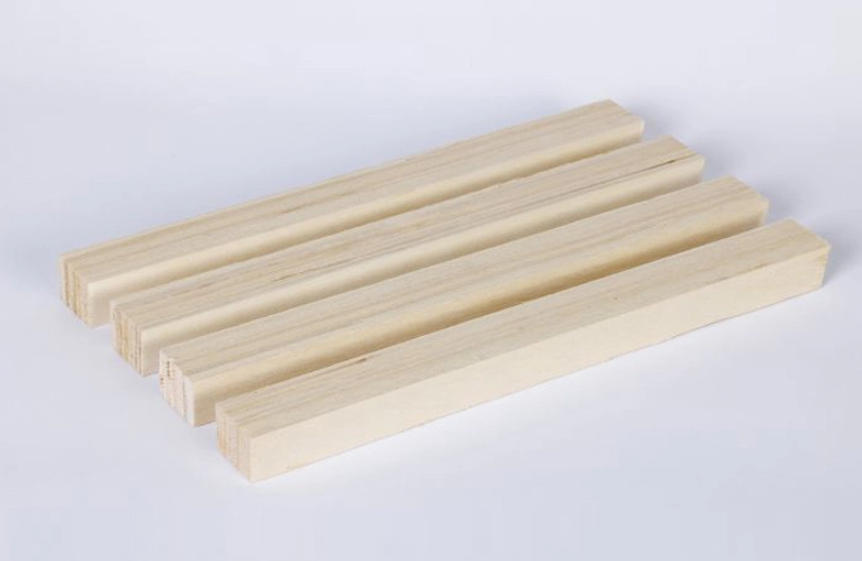
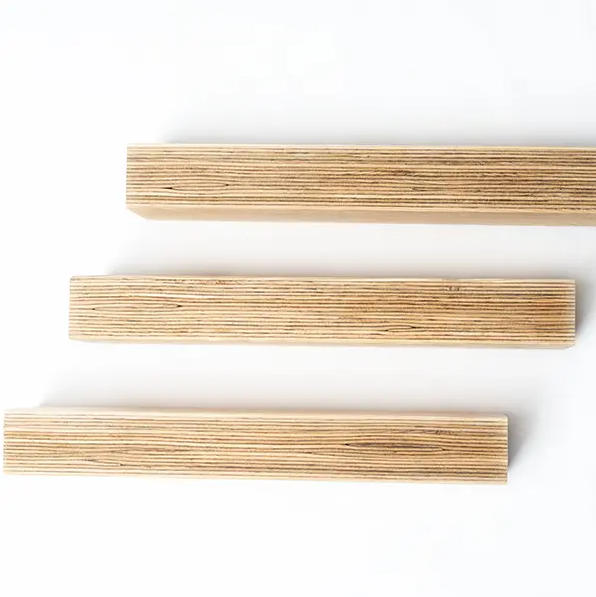
The architectural landscape of the 21st century is defined by open-concept spaces, dramatic spans, and a commitment to sustainable materials. To achieve these ambitious designs, builders have moved beyond the limitations of standard dimension lumber. While Laminated Veneer Lumber (LVL) has long been a staple in framing, the rise of custom LVL beams is what truly allows today’s engineers and architects to push the boundaries of wood construction.
Customization in engineered wood is not just about length; it is about tailored strength, specific thicknesses, and precision-engineered load capacities that meet the unique demands of a specific project.For decades, the construction industry relied on off-the-shelf LVL sizes, standard thicknesses like 1-3/4 inches and depths that mirrored traditional joist sizes. However, as residential and commercial designs become more complex, these standard sizes often require on-site modifications or multiple plies to be laminated together by hand.
Custom LVL beams solve this problem by being manufactured or finished to the exact specifications required by a structural engineer. Whether it is a specialized thickness to fit an existing wall pocket during a renovation or an extra-deep member for a massive 30-foot clear span in a modern great room, custom solutions eliminate the guesswork and labor-intensive lamination processes on the job site.
Key Benefits of Custom Engineered Solutions
Tailored Strength Grades: Customization allows for the selection of specific stiffness ratings (E-ratings). If a project requires the stiffness of an E14 grade rather than a standard E10, custom production ensures the beam is built with the higher-density veneers necessary to achieve that performance.
Dimensional Accuracy: In high-end renovations, matching the depth of existing old-growth timber joists is a common challenge. Custom-ripped LVL beams can be produced to non-standard depths, ensuring a perfectly level floor without the need for shimming or furring.
Reduced Material Waste: When beams are manufactured to the exact required length and depth, drop or scrap material is minimized. This is both an environmental benefit and a cost-saving measure for large-scale developments.
Enhanced Durability Treatments: Custom orders allow for specific preservative treatments, such as H2 for termites or H3 for external moisture protection, to be integrated or applied based on the specific environmental stressors of the site.
Applications
The versatility of custom LVL beams makes them indispensable in several high-stakes construction scenarios:
Open-Concept Renovations: When removing a load-bearing wall to join a kitchen and living room, space is often at a premium. A custom-width LVL can provide the necessary strength while remaining thin enough to be hidden within the ceiling joist space.
Commercial Portal Frames: In industrial sheds or sports facilities, custom LVL can be used to create massive portal frames that rival the strength of steel while offering the carbon-sequestering benefits of timber.
Architectural Features: While LVL is often hidden, high-grade custom beams can be manufactured with appearance grade veneers for use in exposed vaulted ceilings, providing an industrial-chic aesthetic combined with structural performance.
Sourcing Excellence
In the world of engineered wood, the quality of a custom beam is only as good as the technology and raw materials used in its production. This is where partnering with an industry leader like Fuqing Wood makes a significant difference.
Fuqing Wood has built a global reputation for high-performance LVL production that meets rigorous international standards, including CE, FSC, and JAS certifications. By exploring the Fuqing Wood products page, builders can find a wide array of structural solutions that serve as the foundation for customization.
Utilizing advanced rotary peeling technology and high-strength Water Boil Proof (WBP) adhesives, Fuqing Wood ensures that their LVL maintains its dimensional stability and load-bearing capacity even in demanding conditions. For projects requiring specific configurations, be it for columns, headers, or long-span beams, Fuqing Wood provides the consistent, high-density veneer quality that engineers require for custom calculations.
Engineering Considerations for Custom Orders
When specifying custom LVL beams, collaboration between the architect and the manufacturer is essential.
Key factors to consider include:
The Load Path: Engineers must calculate not just the live load (people and furniture) but also the dead load (the weight of the building materials themselves) to determine the exact E-rating and depth required.
Bearing Area: A custom beam is only as effective as the columns supporting it. The bearing surface at each end must be sufficient to transfer the load without crushing the wood fibers.
Moisture Management: While LVL is more stable than solid wood, custom beams used in semi-exposed environments must be treated and sealed properly.
As we look toward more sustainable, timber-based cities, the ability to specify custom LVL beams will be central to efficient building design. By utilizing engineered wood that is sized and graded for specific structural needs, we can build taller, span further, and waste less.
With reliable manufacturers like Fuqing Wood leading the way in quality and production technology, the transition to custom engineered solutions has never been easier. For your next project, consider moving beyond the standard lumber yard and into the world of custom engineering.
 EN
EN
 jp
jp  ko
ko