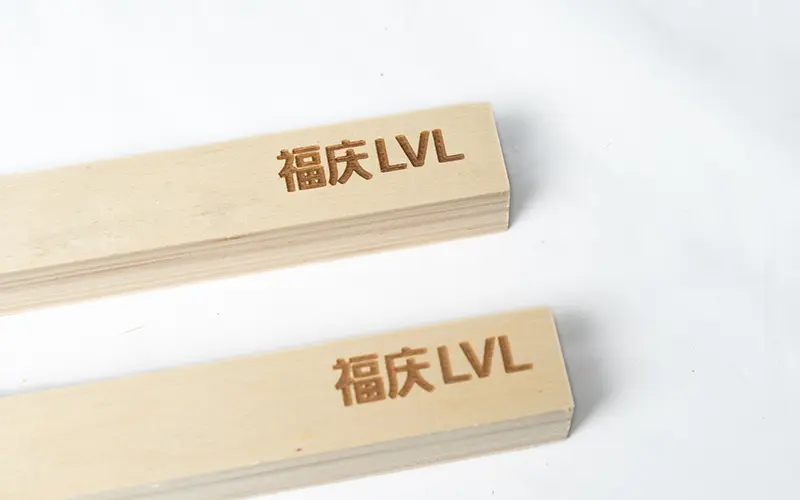
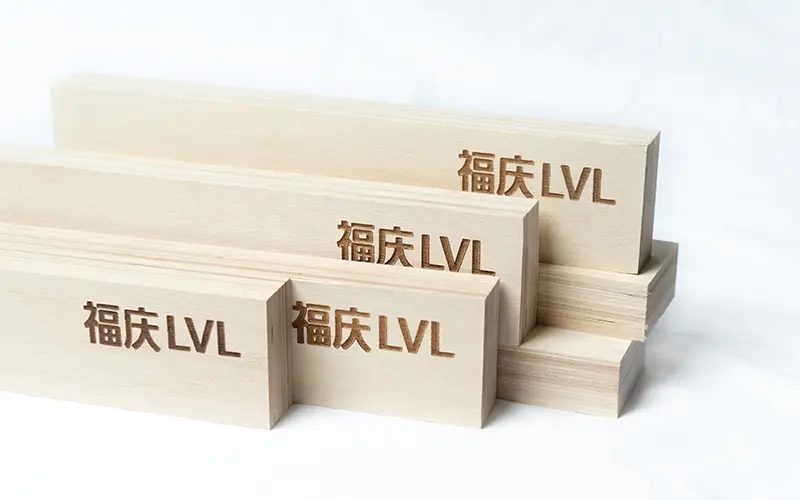
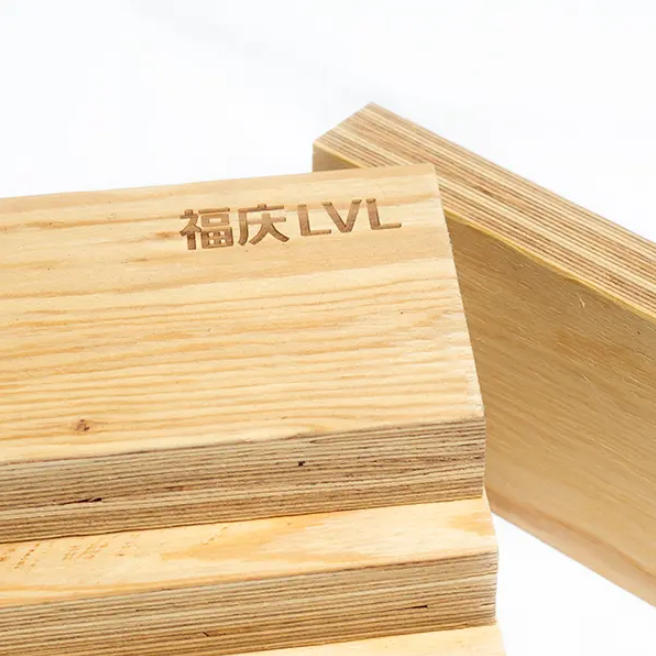
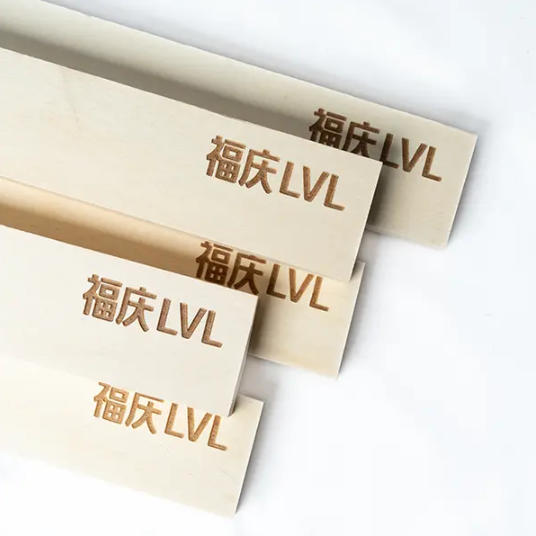
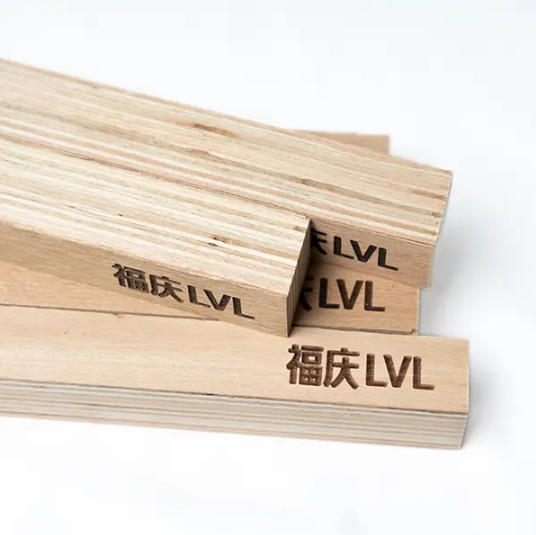
In modern construction across the UK and Canada, Laminated Veneer Lumber (LVL) is widely used for beams, headers, and structural framing due to its strength and dimensional stability. However, a common question among builders is: Can LVL beams get wet?
The answer is yes—but only temporarily. LVL is not waterproof and must be properly managed to avoid long-term damage.
What Happens When LVL Gets Wet?
LVL is manufactured using thin wood veneers bonded with high-performance phenolic adhesives, often WBP (Water Boil Proof) resins.
While these adhesives are moisture-resistant, the wood fibers themselves remain hygroscopic, meaning they can absorb water and expand.
Short-Term Exposure vs Long-Term Moisture Damage
Short-Term Exposure (Normal Construction Conditions)
LVL can safely withstand temporary exposure to rain during construction, especially when factory-applied protective coatings are present.
Mold and fungal growth in high-moisture environments
Best Practices for Moisture Protection
To ensure structural performance, proper handling is essential:
Store LVL off the ground on dry supports
Cover with breathable waterproof tarps
Seal cut ends immediately after cutting
Allow full drying before enclosure
Fuqing Wood LVL Performance Advantage
Fuqing Wood produces high-performance LVL types using advanced hot-press technology and high-grade veneers. This results in:
More uniform moisture distribution
Improved dimensional stability
Reduced risk of on-site swelling or deformation
Can LVL Be Used Outdoors?
Standard LVL is suitable for dry or protected interior applications only. For exterior use, pressure-treated LVL designed for outdoor exposure must be used.
Conclusion
LVL is moisture-tolerant during construction but not waterproof. Proper storage, handling, and installation practices are essential to maintaining its structural integrity.
With high-quality engineered LVL from trusted suppliers such as Fuqing Wood, builders can achieve long-lasting structural performance in modern construction projects.
 EN
EN
 jp
jp  ko
ko