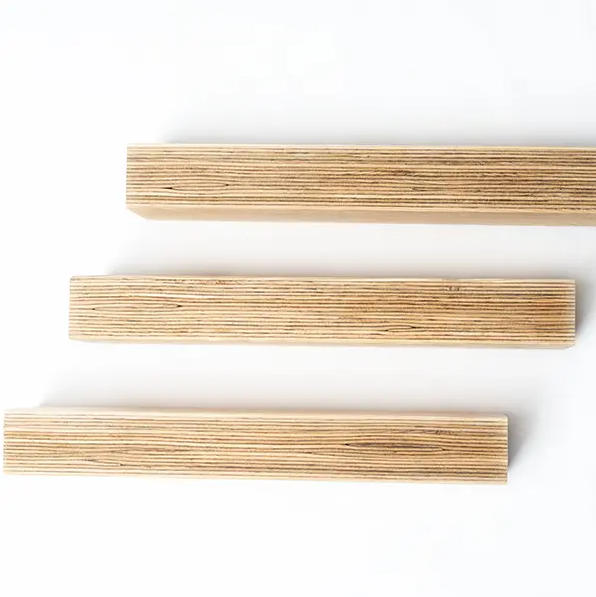
Scaffolding systems play a critical role in modern construction, providing temporary platforms that allow workers to safely perform tasks at height. Among all scaffolding components, scaffold planks are especially important because they directly support workers, tools, and construction materials. Traditionally, solid timber boards were widely used for scaffolding platforms. However, with the development of engineered wood technology, LVL scaffold planks are increasingly replacing traditional timber scaffold boards across global construction markets.
Today, many contractors and distributors prefer laminated veneer lumber (LVL) scaffold boards because they offer better strength consistency, improved dimensional stability, and enhanced safety performance. As a result, the demand for LVL scaffold planks for sale and LVL scaffold boards continues to grow in construction, infrastructure, and industrial projects worldwide.
What are LVL Scaffold Planks?
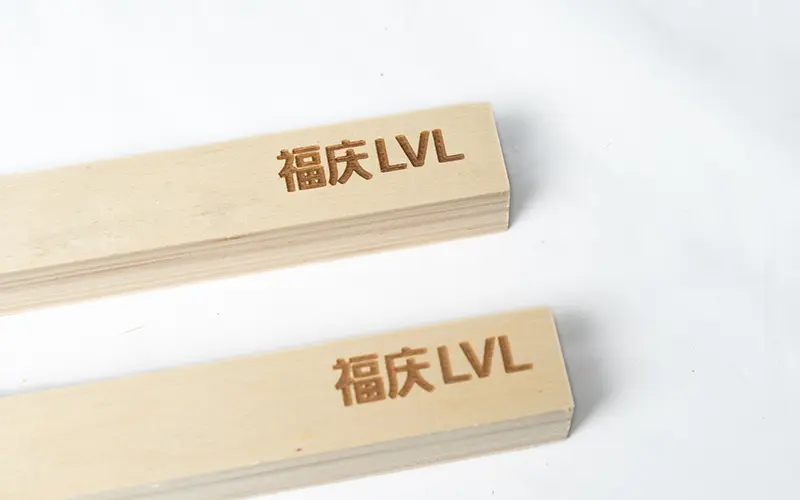
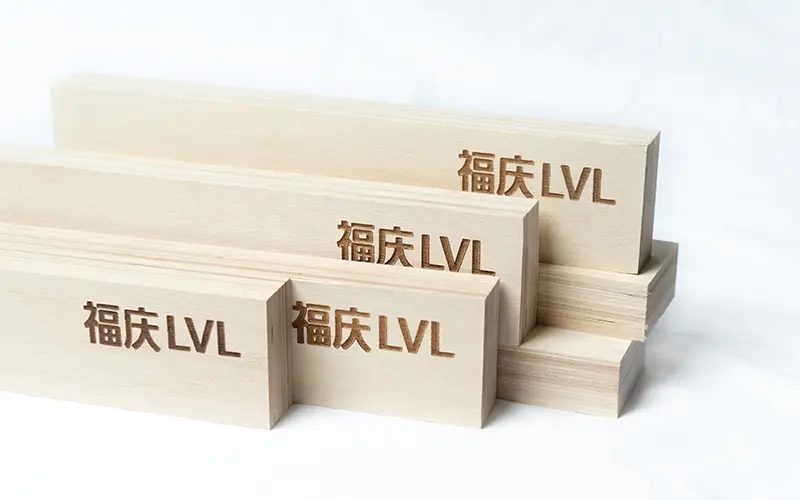
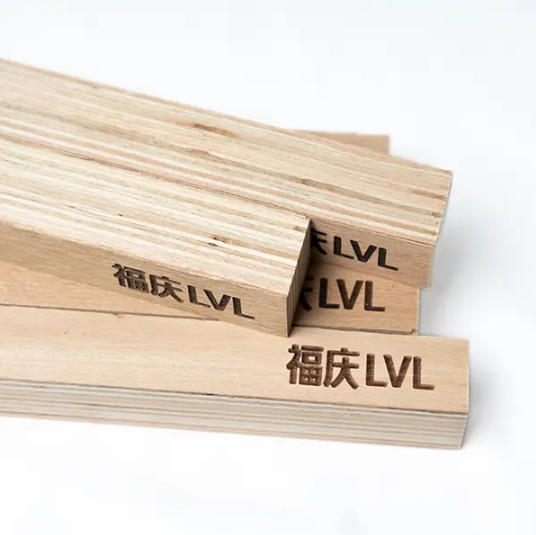
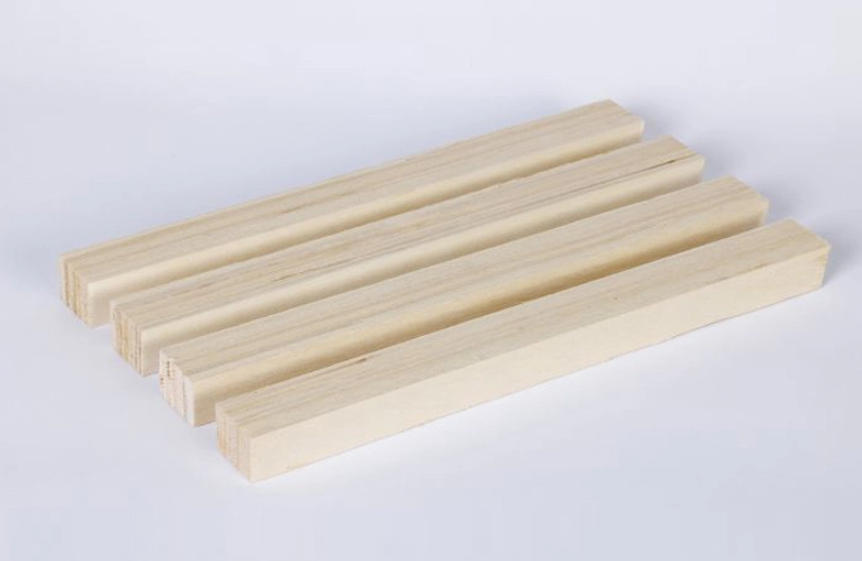
LVL scaffold planks are engineered wood boards manufactured from multiple thin wood veneers bonded together under heat and pressure using structural adhesives. Unlike traditional solid timber planks, LVL boards are engineered for consistent strength and reliability.
All veneer layers are aligned in the same grain direction, which maximizes bending strength and load-bearing capacity. This manufacturing process allows LVL scaffold boards to deliver more predictable structural performance than ordinary wood planks.
LVL scaffold planks are commonly used in:
Construction scaffolding systems
Industrial maintenance platforms
Bridge and infrastructure projects
Commercial building construction
Exterior renovation projects
Because they are designed specifically for load-bearing applications, LVL scaffold boards have become a preferred solution in many professional construction environments.
Traditional Timber Scaffold Board Limitations
Natural Defects
Traditional timber boards may contain knots, cracks, grain irregularities and hidden internal defects. These natural imperfections can reduce structural strength and create safety risks during use.
Inconsistent Performance
Since every piece of natural wood is different, timber scaffold boards often vary in strength and stiffness. Some boards may perform well, while others may weaken over time. This inconsistency makes quality control more difficult on construction sites.
Warping and Twisting
Solid wood boards are highly affected by moisture and environmental conditions. Over time, scaffold planks may warp, twist, shrink and split. These issues can reduce platform stability and shorten product lifespan.
Limited Durability
Frequent exposure to rain, sunlight, and heavy construction loads can accelerate wear and damage in traditional timber boards. For projects requiring long-term durability and repeated use, many contractors now prefer engineered alternatives such as LVL scaffold planks.
Why LVL Scaffold Boards are Becoming More Popular?
Engineered LVL scaffold planks solve many of the problems associated with traditional timber boards.
Higher Strength and Load Capacity
One of the biggest advantages of LVL scaffold boards is their superior strength. Because LVL is manufactured by laminating multiple veneer layers together, the final product has more uniform structural properties and higher load-bearing capacity. This allows LVL scaffold planks to support heavy worker traffic, construction materials and equipment loads with greater structural reliability. The engineered design also helps distribute loads evenly across the plank.
Consistent Structural Performance
Unlike solid timber boards, LVL scaffold planks are manufactured under controlled factory conditions. This provides uniform density, predictable strength, stable dimensions and consistent mechanical properties. For contractors and scaffolding companies, this consistency improves safety management and reduces the risk of plank failure.
Better Dimensional Stability
LVL scaffold boards are less likely to warp or twist because the laminated structure minimizes internal stress movement. This dimensional stability is especially important in outdoor construction environments where scaffold boards are exposed to rain, humidity, temperature changes or sunlight. Stable planks help maintain safer and more secure working platforms.
Improved Durability
High-quality LVL scaffold planks are designed for repeated use in demanding environments. Compared with ordinary timber boards, LVL planks generally provide longer service life, better resistance to deformation, reduced maintenance needs and improved surface consistency. This can reduce replacement frequency and improve long-term project efficiency.
Feature
LVL Scaffold Planks
Traditional Timber Boards
Strength Consistency
High
Variable
Dimensional Stability
Excellent
Moderate
Warp Resistance
Strong
Lower
Structural Reliability
Predictable
Natural variation
Service Life
Longer
Shorter
Quality Control
Factory controlled
Limited
Safety Performance
Higher
Moderate
Safety Advantages of LVL Scaffold Planks
Construction safety is one of the main reasons contractors are switching to engineered scaffold boards.
Reduced Structural Weak Points
Traditional timber boards may fail unexpectedly due to hidden knots or cracks. LVL manufacturing distributes natural defects across multiple veneer layers, minimizing weak points.
More Reliable Quality Control
Professional LVL manufacturers conduct strict testing during production to ensure that scaffold planks meet structural requirements.
Better Load Distribution
The engineered structure allows loads to spread more evenly across the board surface, improving platform stability.
Standardized Production
LVL scaffold planks are produced in standardized sizes and specifications, making installation and inspection easier.
How to Choose a Reliable Scaffold Plank Supplier?
Buyers should carefully evaluate manufacturers before placing orders.
Manufacturing Experience
An experienced supplier is more likely to maintain stable product quality and understand international construction requirements.
Key factors to evaluate include:
Factory size
Production equipment
Export experience
Quality control systems
Product Certifications
Reliable suppliers should provide products that comply with relevant standards and testing requirements.
Depending on the market, buyers may require:
OSHA compliance
AS/NZS standards
FSC certification
Structural testing reports
Certified products help improve construction safety and market acceptance.
Product Quality Consistency
High-quality LVL scaffold boards should offer:
Smooth surfaces
Accurate dimensions
Stable moisture content
Strong adhesive bonding
Consistent manufacturing quality is essential for structural safety.
Export Capability
International buyers should also evaluate:
Packaging quality
Container loading efficiency
Delivery timelines
Export documentation support
Professional export management helps reduce shipping risks and delays.
Fuqing LVL Scaffold Board Solutions
Fuqing Wood manufactures a wide range of engineered wood products, including professional LVL scaffolding boards designed for construction and industrial applications.
Fuqing scaffold boards are designed to provide:
High strength performance
Dimensional stability
Consistent quality
Reliable load capacity
The company’s engineered wood products are widely used in construction markets worldwide.
Advantages of Fuqing LVL Scaffold Boards
Advanced Manufacturing Technology: Fuqing uses modern production equipment and strict quality control systems to ensure reliable product performance.
Stable Structural Performance: Engineered veneer construction provides more consistent strength compared with traditional timber scaffold boards.
Export Experience: Fuqing supplies engineered wood products to international markets and understands global construction requirements.
Wide Product Applications: In addition to scaffolding boards, Fuqing also produces LVL beams, LVL columns, I-joists and structural plywood.
As construction standards continue to evolve, engineered wood products are becoming increasingly important for safety and structural performance. LVL scaffold planks offer major advantages over traditional timber boards, including higher strength consistency, improved dimensional stability, and better durability. For contractors, distributors, and construction companies, choosing high-quality LVL scaffold boards can improve workplace safety, reduce maintenance costs, and enhance project efficiency.
Manufacturers such as Fuqing Wood provide engineered scaffold plank solutions designed for modern construction applications worldwide. Their LVL scaffold boards combine advanced manufacturing technology with reliable structural performance for professional construction environments.
 EN
EN
 jp
jp  ko
ko