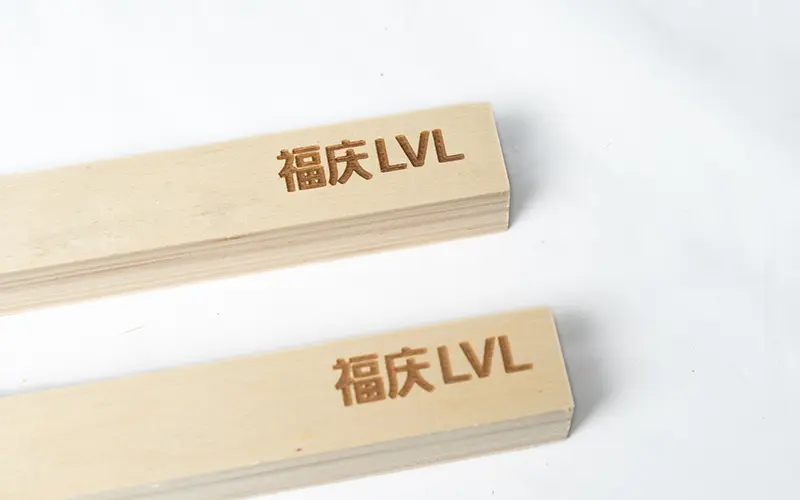
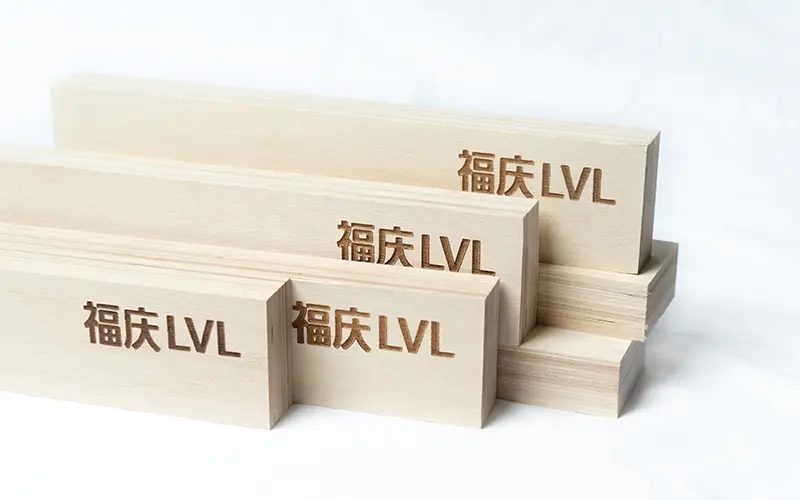
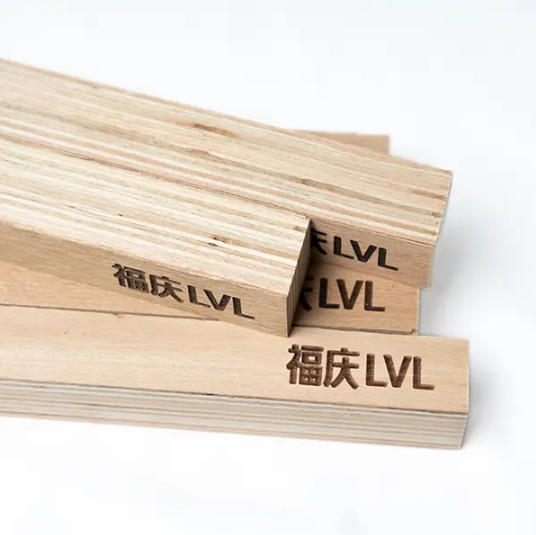
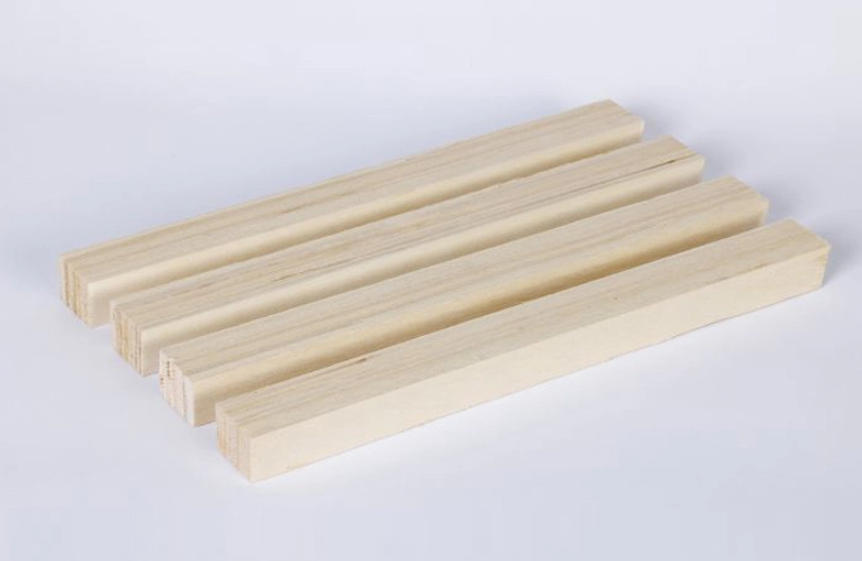
Laminated Veneer Lumber (LVL) has become a widely used engineered wood solution in modern construction across the UK and Canada. Its high strength, dimensional stability, and predictable performance make it an ideal replacement for traditional solid timber in structural applications.
However, the performance of LVL beams depends not only on material quality but also on correct installation practices.
Why Proper LVL Installation Matters
As a structural component, LVL beams carry significant loads. Improper installation can lead to:
Excessive deflection
Structural instability
Long-term settlement issues
Correct installation ensures long-term safety and performance.
Pre-Installation Requirements
Before installation, structural design must be completed by an engineer, including beam sizing and load calculations.
On-site storage is also critical:
Store on level supports
Keep off the ground
Protect from moisture exposure
This helps maintain dimensional accuracy.
Temporary Support During Installation
In renovation projects, LVL beams are often used to replace load-bearing walls. Temporary shoring walls must be installed before removal of existing structures to safely support loads.
Installation and Bearing Requirements
Due to their size and weight, LVL beams often require mechanical lifting equipment.
Proper bearing is essential:
Minimum bearing on timber: approx. 1.5 inches
Minimum bearing on masonry: approx. 3 inches
Insufficient bearing can cause structural compression failure.
Multi-Ply Beam Assembly
For higher load requirements, multiple LVL plies are combined into a single structural beam.
Common fastening methods include:
16d nails at regular spacing
Structural bolts for multi-ply systems
Adhesive bonding for increased stiffness
Connections and Fastening Systems
LVL beams must be connected using approved metal hangers and fasteners. Using non-structural nails or screws can compromise safety.
Deflection and Final Inspection
Before closing the structure, ensure:
Beam is level and properly aligned
Fasteners match engineering specifications
Deflection remains within allowable limits (typically L/360)
Why Choose Fuqing Wood LVL?
Fuqing Wood LVL is manufactured using advanced hot-pressing technology and high-quality veneers, ensuring uniform performance across all layers. This allows for precise installation, improved structural reliability, and reduced on-site risk.
Conclusion
LVL beams installation is a precision-driven process that directly affects structural safety and performance. With proper engineering design and high-quality materials, LVL provides a reliable backbone for modern construction systems.
 EN
EN
 jp
jp  ko
ko