Selecting the correct structural beam is one of the most important decisions in any construction project. Whether you're building a residential home, a commercial facility, or a prefabricated timber structure, the size of the beam directly influences structural safety, construction efficiency, and long-term building performance.
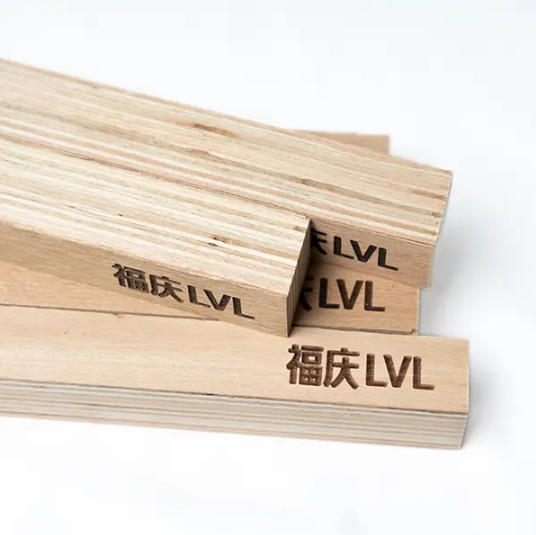
Among today's engineered wood products, Laminated Veneer Lumber (LVL) has become a preferred solution for architects, engineers, builders, and timber distributors worldwide. Manufactured by bonding multiple layers of wood veneers under heat and pressure, LVL offers higher strength, greater dimensional stability, and more predictable structural performance than conventional solid timber.
However, choosing an LVL beam isn't simply a matter of selecting a standard size.
Beam dimensions must match the structural demands of the project. Span length, design loads, building codes, installation methods, and application scenarios all determine which LVL size will deliver the best balance of performance, safety, and cost.
Understanding how LVL beam sizes work—and partnering with an experienced manufacturer—can help reduce material waste, improve installation efficiency, and ensure reliable structural performance throughout the life of the building.
Why LVL Beam Size Matters More Than You Think
Unlike traditional lumber, LVL is an engineered structural product designed to achieve specific mechanical properties. Every beam is manufactured to deliver consistent strength and stiffness, making it suitable for applications where structural reliability is critical.
Choosing the correct beam size is about more than fitting into a building layout. It directly affects:
Load-bearing capacity
Span performance
Deflection control
Structural stability
Material efficiency
Overall project cost
An undersized beam may lead to excessive deflection or structural risks, while an oversized beam can unnecessarily increase material costs and project weight.
The most efficient solution is always selecting the right beam size for the intended application.
What Determines the Right LVL Beam Size?
Several engineering factors influence the dimensions of an LVL beam. Rather than relying on standard lumber sizes, designers evaluate the structural requirements of each project before determining the appropriate specification.
Span Length
The longer the unsupported distance between supports, the greater the structural demand placed on the beam.
Long-span applications generally require:
Greater beam depth
Higher stiffness grades
Enhanced bending resistance
Increasing beam depth is often the most effective way to improve structural performance without significantly increasing weight.
Structural Load Requirements
Every beam carries different types of loads.
For example:
Residential floor systems support furniture, occupants, and interior finishes.
Roof structures must resist dead loads, wind loads, and in many regions, snow loads.
Industrial buildings often require significantly higher concentrated loads.
As loading increases, larger beam dimensions—or multiple laminated LVL members—may be required to maintain structural safety.
Application Type
Different building components perform different structural functions, meaning they require different LVL specifications.
Typical applications include:
Floor beams
Roof beams
Window and door headers
Rim boards
Columns
Structural framing members
A header above a residential window, for example, requires a very different beam size than a floor beam spanning several meters in a commercial building.
Choosing the correct specification ensures optimal performance while avoiding unnecessary material costs.
Local Building Codes and Engineering Standards
Construction requirements vary between countries and regions.
Engineers typically determine LVL beam dimensions based on:
National building codes
Structural calculations
Load combinations
Serviceability requirements
Safety factors
Working with a manufacturer familiar with international structural standards helps ensure the selected LVL products comply with project requirements.
Common LVL Beam Sizes Used in Construction
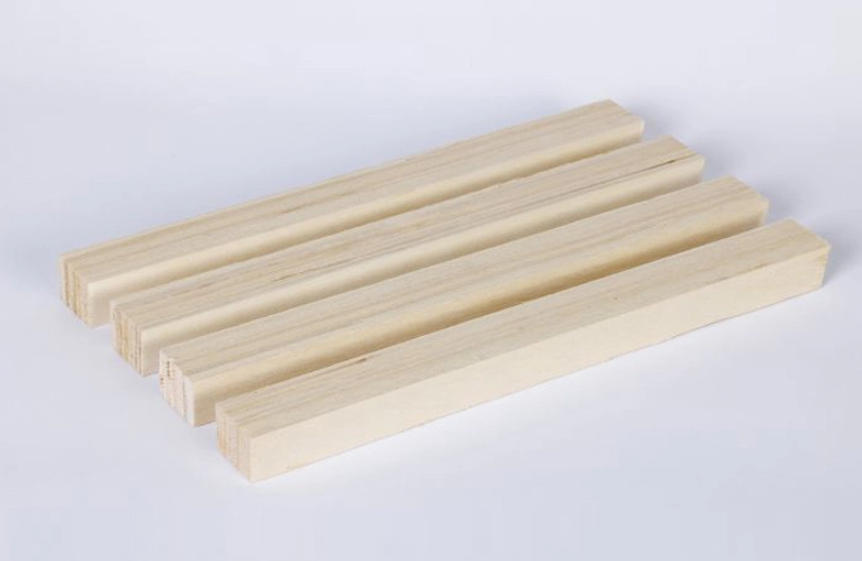
One of the advantages of LVL is its manufacturing flexibility. Unlike traditional solid timber, LVL can be produced in a wide range of sizes to suit different structural applications.
Although dimensions vary by market and engineering standards, commonly available LVL beams include:
Standard Thickness
45 mm (1¾")
51 mm (2")
63 mm
75 mm
Multiple-ply built-up beams
For projects requiring higher load capacity, several LVL members can be laminated or fastened together to create larger structural beams.
Common Beam Depths
Typical structural depths include:
140 mm (5½")
184 mm (7¼")
240 mm (9½")
300 mm (11⅞")
360 mm and above
In most structural applications, beam depth has a greater influence on bending performance than beam width.
Deeper beams generally:
Span longer distances
Carry heavier loads
Reduce structural deflection
Improve floor stiffness
This is why engineers often prioritize beam depth when optimizing structural designs.
Customized Dimensions for Different Markets
Standard sizes do not always meet every project's requirements.
Many builders, distributors, and OEM customers require custom dimensions based on local building practices or specific structural designs.
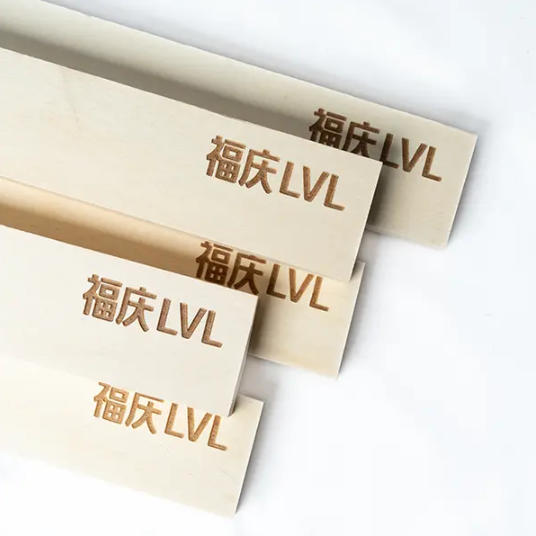
At Fuqing Wood, we manufacture LVL products in customized thicknesses, widths, and lengths to meet the requirements of different markets and construction systems.
Our integrated production process—from log procurement and veneer manufacturing to grading, laminating, and machining—allows us to deliver consistent dimensions, stable bonding quality, and reliable mechanical performance across every production batch.
How Beam Dimensions Influence Structural Performance
Selecting the appropriate LVL size is not simply about fitting within a wall or floor system. Beam dimensions directly determine how the structure performs over time.
Bending Strength
As beam depth increases, its ability to resist bending also improves.
This makes deeper LVL beams ideal for:
Long-span floor systems
Roof framing
Large structural openings
Heavy-duty commercial buildings
Proper beam sizing helps maintain structural integrity while reducing the need for additional supports.
Deflection Control
Even when a beam is structurally strong enough, excessive deflection can negatively affect building performance.
Poor deflection control may result in:
Bouncy floors
Cracked finishes
Reduced occupant comfort
Long-term serviceability issues
Selecting the correct LVL dimensions helps engineers achieve the stiffness required for comfortable, durable buildings.
Long-Term Structural Stability
One of the key advantages of LVL is its excellent dimensional stability.
Combined with proper beam sizing, engineered LVL significantly reduces the risks commonly associated with traditional solid timber, including:
Warping
Twisting
Shrinkage
Structural movement
This predictable performance makes LVL an ideal structural material for modern residential, commercial, and industrial construction.
Choosing the Right LVL Beam Size for Different Applications
No single LVL beam size is suitable for every project. The optimal specification depends on how the beam will function within the structure. Understanding the requirements of each application helps improve structural performance while avoiding unnecessary material costs.
LVL Beams for Floor Systems
Floor framing is one of the most common applications for LVL beams. Because floor systems support continuous live and dead loads—including flooring materials, furniture, and occupants—they require beams with excellent stiffness and reliable load-bearing capacity.
Properly specified LVL beams help:
Reduce floor vibration
Improve walking comfort
Minimize long-term deflection
Support longer spans with fewer intermediate supports
For modern residential and multi-family housing, engineered LVL floor beams provide a practical balance between structural performance and construction efficiency.
LVL Roof Beams
Roof structures must withstand not only permanent structural loads but also environmental forces such as wind, rain, and snow.
Selecting the appropriate LVL beam dimensions helps ensure:
Stable roof geometry
Better resistance to bending
Reduced structural movement
Long-term dimensional stability
Whether used in conventional roof framing or prefabricated roof systems, properly engineered LVL beams contribute to safer and more durable buildings.
LVL Headers for Doors and Windows
Headers transfer loads around structural openings such as windows and doors.
The required beam size depends on several factors, including:
Opening width
Number of supported floors
Roof loads
Wall configuration
Small residential openings may require a single LVL member, while wider spans often require multiple laminated beams working together.
Choosing the correct header size helps prevent excessive deflection while maintaining overall structural integrity.
Selecting the right dimensions is only one part of a successful structural solution.
Even beams with identical sizes can perform differently if manufacturing quality is inconsistent.
For engineers, distributors, and builders, consistent quality often matters just as much as beam dimensions.
Critical factors include:
Veneer grading accuracy
Bonding quality
Moisture control
Dimensional tolerance
Manufacturing consistency
Poor quality control can result in variations that affect installation efficiency, structural performance, and long-term durability.
This is why many professional builders place equal importance on choosing a reliable manufacturer—not just selecting the correct specification.
What Makes Fuqing Wood Different?
At Fuqing Wood, we believe consistent quality begins long before the final beam leaves the production line.
Instead of relying solely on purchased veneers, we operate an integrated manufacturing system that gives us greater control over every critical production stage.
 EN
EN
 jp
jp  ko
ko