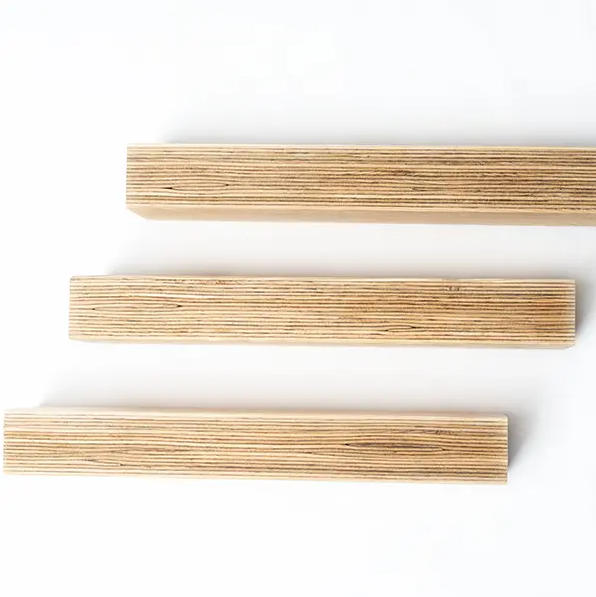
In the evolving landscape of sustainable construction, Laminated Veneer Lumber (LVL) has emerged as a cornerstone of structural efficiency. Among the various grades available to builders and engineers, E10 LVL holds a unique position. It represents a sweet spot in the market, offering a high-performance alternative to traditional solid timber while remaining cost-effective for a wide range of residential and commercial applications.
Whether you are designing a complex roof system or framing a simple residential extension, understanding the technical specifications and benefits of E10 LVL is essential for ensuring structural integrity.
E10 LVL
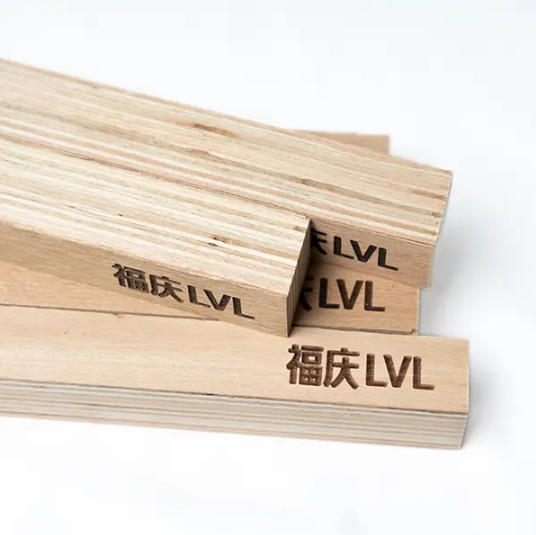
The "E" in E10 stands for the Modulus of Elasticity (MoE), which is a measure of a material's stiffness. Specifically, LVL E10 is engineered to have a stiffness rating of 10,000 MPa (or 10.0 GPa). This rating is a guaranteed performance standard achieved through a rigorous manufacturing process where thin wood veneers are bonded together under intense heat and pressure.
Unlike solid-sawn timber, which can vary significantly in strength from one piece to the next due to knots, grain deviations, and moisture content, E10 LVL is a highly predictable product. By dispersing the natural defects of the wood throughout the multiple layers of the beam, the weakest link is effectively eliminated, resulting in a member that is consistently straight and strong.
It is important to note that E10 is part of a broader family of LVL grades, including E11, E12, and even E14. While higher E-ratings indicate greater stiffness, E10 is often the most economical choice for standard residential spans. Using a higher grade than necessary can lead to over-engineering and increased costs, whereas E10 provides the perfect balance of performance and value for most common framing tasks.
Why is E10 LVL Better Than Solid Timber?
For decades, builders relied on solid hardwood or softwood beams. However, E10 LVL offers several distinct advantages that make it a better choice for modern framing:
Dimensional Stability: Solid timber is prone to shrinking, warping, and twisting as it seasons on the job site. E10 LVL is manufactured at a stable moisture content, meaning it stays straight. This reduces the likelihood of squeaky floors or cracked drywall caused by timber movement.
Longer Spans: Because of its engineered stiffness, E10 LVL can span greater distances than traditional lumber of the same depth. This allows architects to design larger open-plan living areas with fewer internal load-bearing walls.
Consistency: Every piece of E10 LVL of the same size will perform identically. This predictability allows engineers to calculate loads with higher precision and lower margins of error.
Strength-to-Weight Ratio: E10 LVL is remarkably light compared to its load-bearing capacity. This makes it easier for crews to handle on-site, often reducing the need for heavy lifting machinery.
Primary Applications of E10 LVL
Because of its versatility, E10 LVL is used across the entire skeleton of a building.
Common applications include:
Lintels and Headers: Providing support over window and door openings.
Floor Joists: Creating a stiff, level foundation for flooring.
Rafters and Purlins: Forming the backbone of roof structures where long, straight members are required.
Bearers: Supporting the weight of the floor system in raised constructions.
The Fuqing Wood Advantage
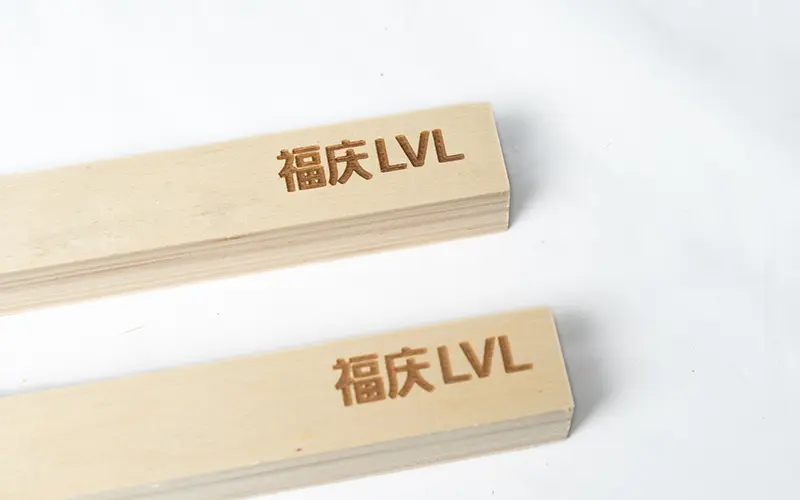
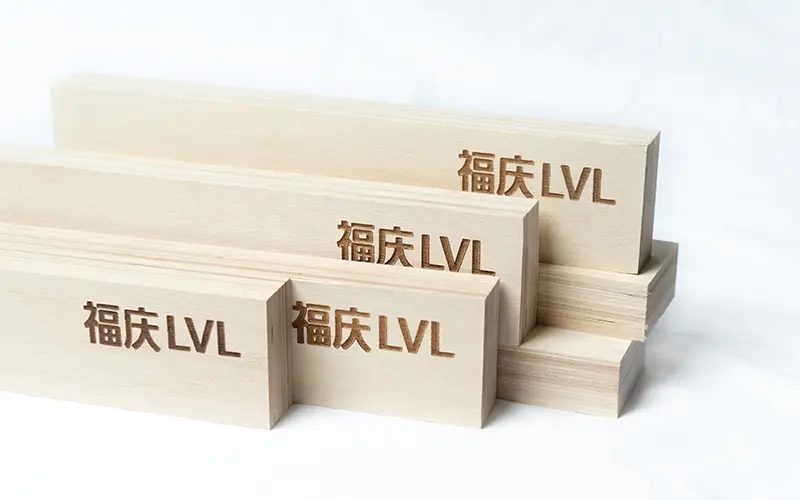
The performance of an E10 beam is only as good as the veneers and adhesives used in its production. This is why sourcing from a reputable manufacturer is critical for structural safety. Fuqing Wood’s E10 Structural LVL is a prime example of international-standard engineering.
As one of professional China LVL manufacturers, Fuqing Wood utilizes advanced rotary peeling technology and high-grade phenol-formaldehyde resins to ensure that the LVL products meet the stringent requirements of the E10 grade. By visiting the Fuqing Wood products, builders can access E10 LVL that is specifically designed for structural use. The products are often treated for termite and rot resistance (such as H2 or H3 treatments), making them suitable for various climatic conditions. Furthermore, Fuqing Wood's commitment to quality control ensures that each beam maintains its 10.0 GPa stiffness rating, providing peace of mind for both the engineer and the end-user.
Installation and Handling Best Practices
To maintain the structural integrity of E10 LVL, it must be handled correctly:
Seal the Cuts: If you cut an LVL beam on-site, the end grain should be resealed to prevent moisture intake.
Follow the Load Tables: Always consult the manufacturer's span tables to ensure the E10 beam is sized correctly for the intended load.
Storage: Keep the beams off the ground and covered until they are ready to be installed to prevent excessive exposure to rain and sun.
E10 LVL has revolutionized the way we think about wood in construction. By taking the best properties of natural timber and enhancing them through sophisticated engineering, we have created a material that is safer, stronger, and more reliable.
With industry leaders like Fuqing Wood providing high-quality, certified E10 Structural LVL, builders now have access to the materials they need to build the homes of the future. Whether you are looking for efficiency on the job site or long-term stability for a client’s home, E10 LVL is an investment in quality that stands the test of time.
 EN
EN
 jp
jp  ko
ko