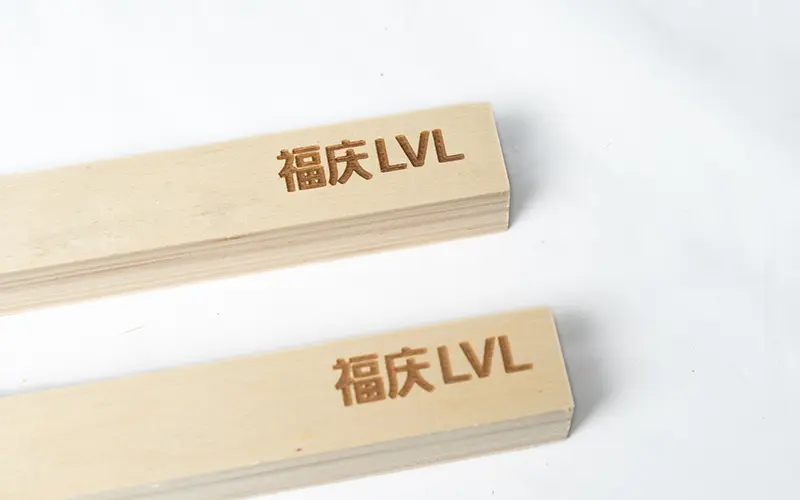
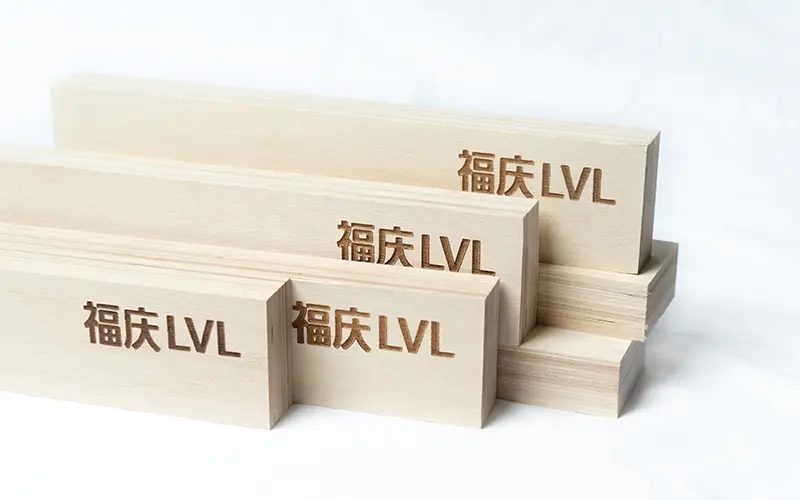
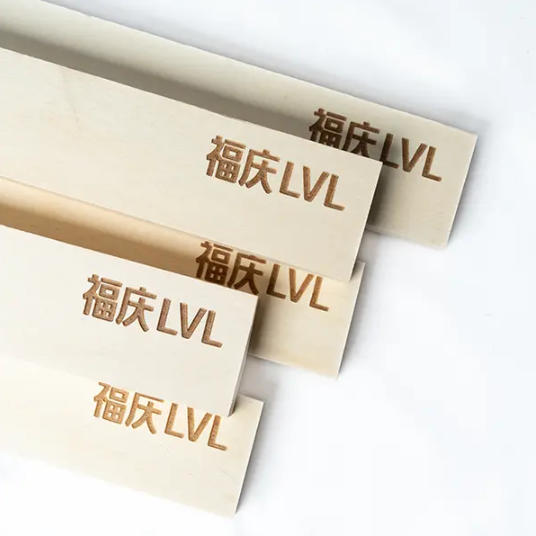
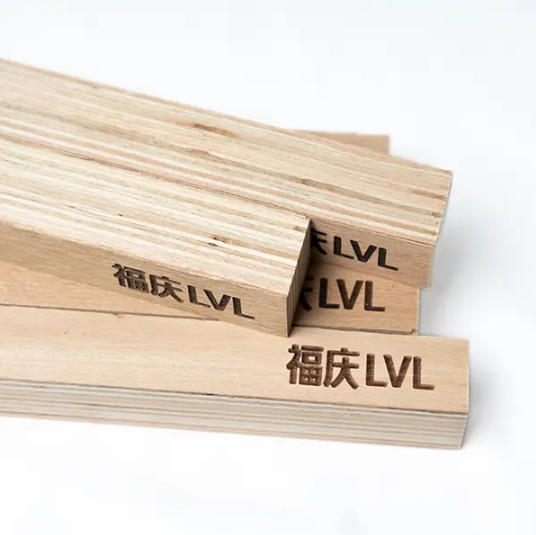
In construction projects, scaffolding systems play an important role in providing safe working platforms for workers and materials. The quality of scaffolding components directly affects efficiency and job site safety. Among different materials available, the LVL plank has become an increasingly popular solution because of its high strength, excellent stability, and reliable performance.
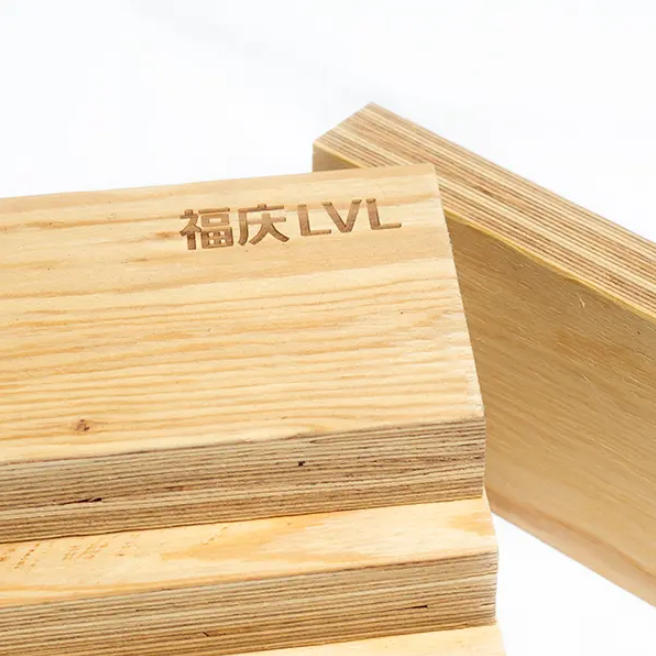
Unlike traditional solid timber boards, LVL planks are manufactured through an engineered process where multiple layers of wood veneers are bonded together under heat and pressure. This structure helps reduce natural defects and provides more consistent strength, making LVL plank suitable for demanding construction environments.
What Is an LVL Plank and How Is It Made?
An LVL plank, also known as a laminated veneer lumber plank, is an engineered wood product created by bonding several thin wood veneer layers together. The grain direction of each veneer is aligned, which improves the overall strength and stability of the finished plank.
During manufacturing, high-quality wood veneers are selected and bonded with strong adhesives to create a uniform structure. Compared with traditional timber planks, LVL planks have fewer issues caused by natural defects such as knots, splits, and irregular grain patterns. This allows each plank to provide more consistent performance in construction applications.
For scaffolding applications, this consistency is especially important because planks need to support workers, tools, and materials while maintaining a stable working surface.
What Are the Main Benefits of Using LVL Plank in Construction?
One of the biggest advantages of an LVL plank is its superior strength-to-weight ratio. The laminated structure allows the plank to achieve high load-bearing capacity while remaining relatively lightweight, making transportation and installation easier on construction sites.
Another important benefit is dimensional stability. Traditional wood products may expand, shrink, twist, or warp when exposed to changes in humidity and temperature. LVL planks are engineered to minimize these problems, helping maintain a flat and reliable working platform.
LVL planks also offer:
Consistent quality across different pieces
Better resistance to splitting and deformation
Easy handling during installation
Long service life when properly maintained
These advantages make LVL planks a practical alternative to conventional scaffold boards for many construction projects.
How Does LVL Plank Improve Scaffolding Safety?
Safety is one of the most important considerations in any scaffolding system. A stable scaffold platform reduces risks and helps workers perform tasks more efficiently.
An LVL plank is designed to provide a strong and secure surface for construction workers. Many LVL scaffold planks are manufactured and tested according to industry standards, helping ensure they can meet the required load and performance expectations.
In addition, some LVL scaffold planks feature surface treatments or designs that improve grip and reduce slipping risks, especially in challenging working conditions. Proper inspection, storage, and handling are also necessary to maintain the safety performance of the planks.
To extend service life, LVL planks should be stored in dry, ventilated areas, protected from direct weather exposure, and kept away from direct ground contact. Cutting, drilling, or damaging the plank structure should also be avoided because these actions may reduce strength.
Where Can LVL Plank Be Used?
LVL planks are widely used in construction and industrial applications where strong temporary working platforms are required. Common applications include:
Building construction projects
Bridge repair and maintenance
High-rise building cleaning
Industrial access platforms
Temporary scaffolding systems
Because of their strength and stability, LVL planks are suitable for projects that require reliable support and repeated use. Compared with ordinary wood boards, engineered LVL products provide better consistency, making them a preferred choice for professional construction applications.
Different project requirements may require different plank sizes and specifications. Many suppliers provide customized lengths, widths, and thicknesses to match various scaffolding systems and working conditions.
How to Choose the Right LVL Plank for Your Project?
Selecting the right LVL plank requires considering several factors, including application environment, load requirements, size specifications, and quality standards.
First, buyers should confirm whether the plank meets the required construction standards for their region. Certified testing and quality control can provide greater confidence in product performance.
Second, the correct size should be selected according to the scaffolding structure and project requirements. Thickness, width, and length all influence stability and load capacity.
Finally, choosing a reliable manufacturer is essential. Fuqing Wood can provide consistent quality, customized solutions, and technical support to help customers select suitable scaffolding materials.
With its combination of strength, stability, safety, and flexibility, the LVL plank has become an important engineered wood solution for modern construction. As the demand for safer and more efficient scaffolding systems continues to grow, LVL planks will continue to play an important role in improving construction performance.
 EN
EN
 jp
jp  ko
ko