EN
EN
 jp
jp  ko
ko 
Scaffolding systems are essential in construction, maintenance, and infrastructure projects, allowing workers to safely access elevated areas. One of the most important components of these systems is the scaffold plank, which forms the walking and working platform. For contractors and construction companies searching for scaffold planks for sale, selecting the right material and quality level is critical for ensuring safety, durability, and project efficiency.
Today, many buyers are shifting from traditional timber boards to LVL scaffold planks (laminated veneer lumber) because of their improved structural performance and consistency. LVL boards are engineered wood products that provide stronger load capacity and better dimensional stability compared with solid wood planks.
Before purchasing scaffold planks, it is important to understand the different materials available. The three most common types of scaffold planks are solid wood planks, LVL scaffold planks, and metal scaffold planks.
Traditional scaffold boards are made from a single piece of lumber that has been cut and graded for construction use. These planks have been used for decades in construction projects due to their natural strength and affordability.
Advantages of solid wood planks include:
Relatively low initial cost
Easy to cut or customize on site
Good traction for workers
However, solid timber boards also have some limitations. Natural wood can contain knots, grain irregularities, or internal defects that weaken structural strength. Over time, exposure to moisture may cause warping, splitting, or decay, which requires frequent inspection and replacement.
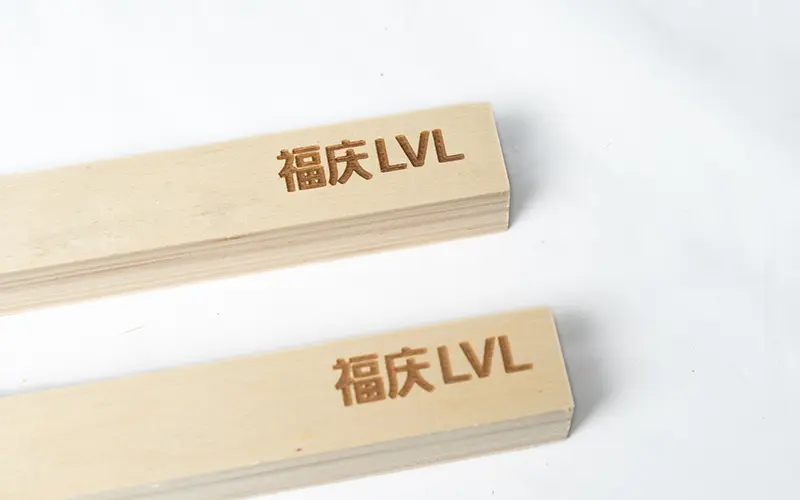
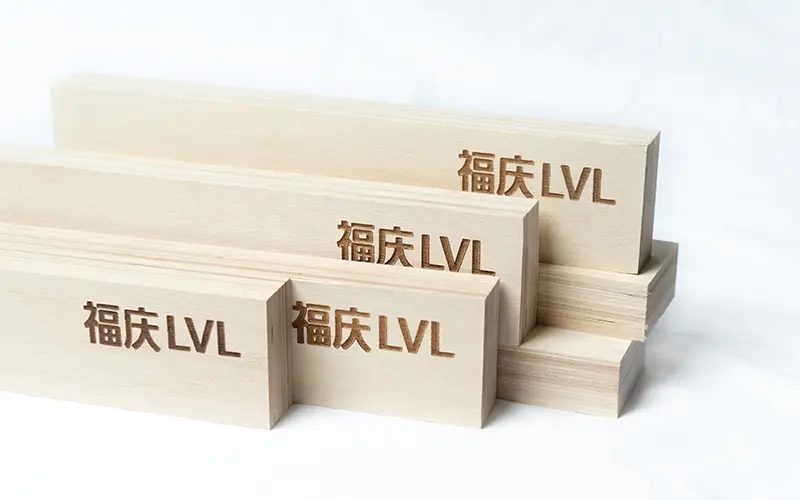
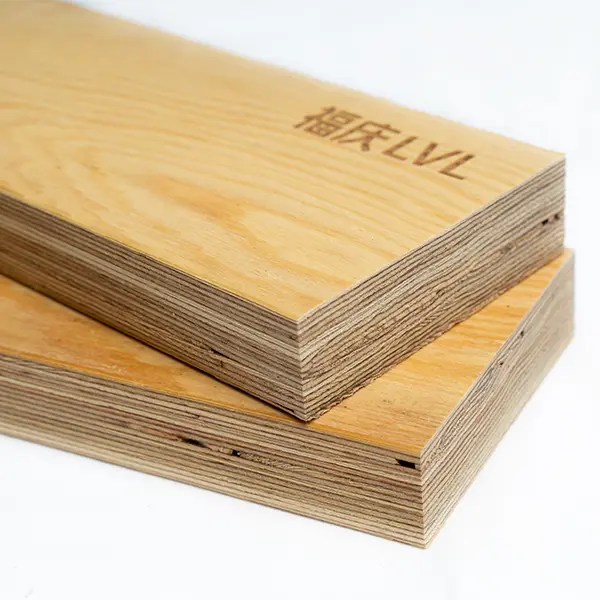
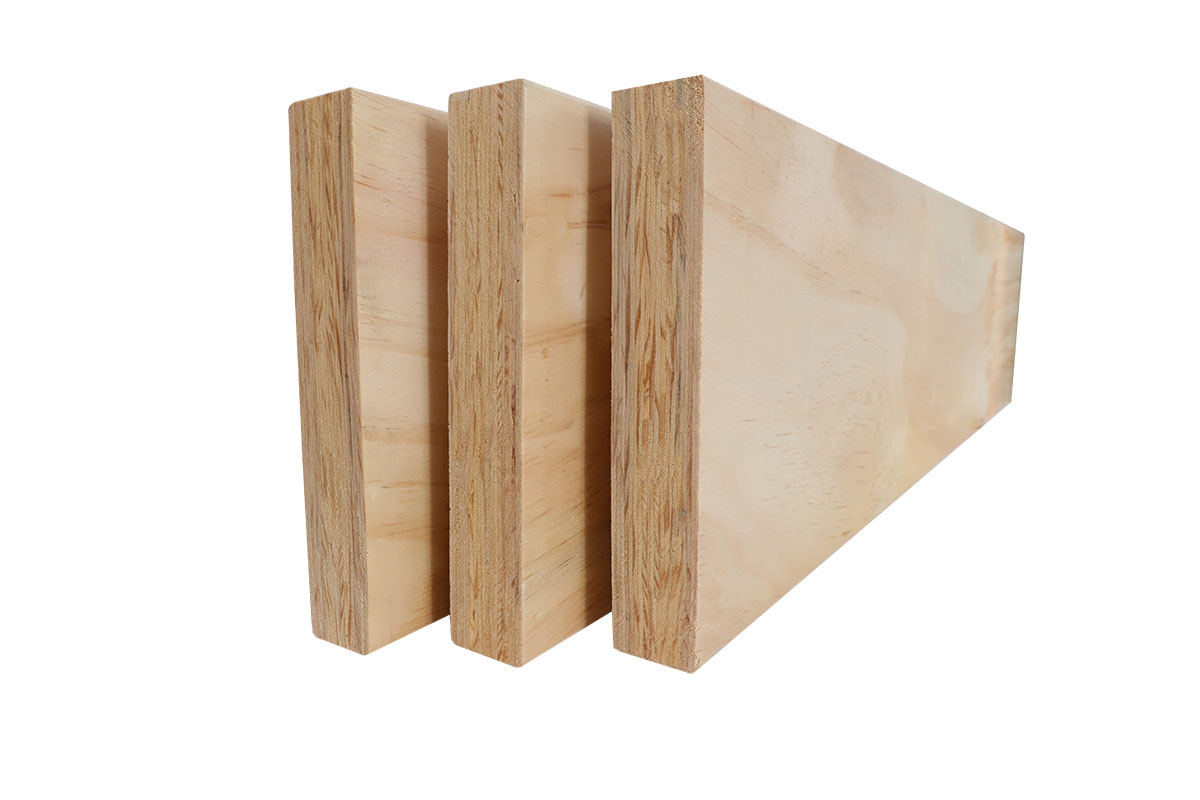
LVL scaffold planks are engineered boards made by bonding multiple layers of thin wood veneers together with structural adhesives under heat and pressure. This process creates a material with highly uniform mechanical properties. Because the veneers are aligned in the same direction, LVL planks deliver greater strength and stability compared with traditional timber boards. They are also lighter and easier to handle while maintaining high load capacity.
LVL scaffold boards are commonly used in:
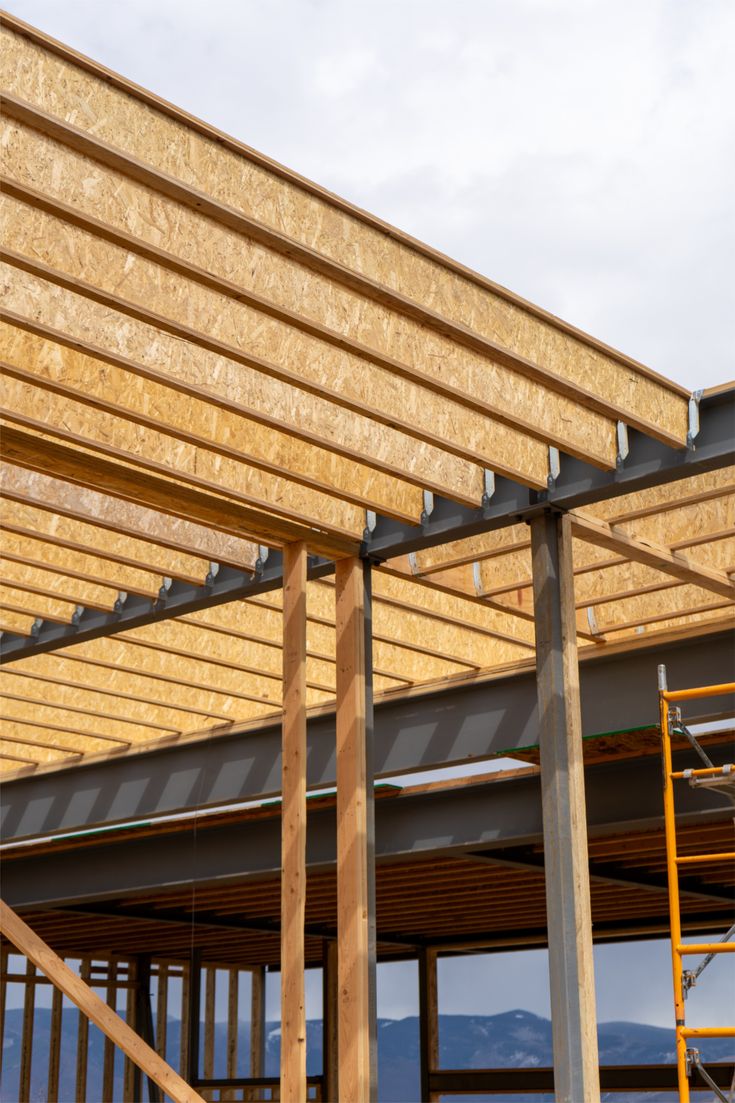
Commercial construction projects
Infrastructure projects
Industrial maintenance platforms
Shipbuilding and bridge construction
Metal planks, typically made from aluminum or steel, are another option for scaffolding platforms.
Their main advantages include:
Very high load capacity
Resistance to fire and moisture
Long lifespan
However, metal planks are usually heavier and more expensive than wood-based planks. For many construction projects, LVL scaffold boards offer a better balance between strength, weight, and cost.
The construction industry increasingly relies on engineered wood materials to improve safety and performance. LVL scaffold planks offer several advantages that make them a preferred choice for contractors.
LVL planks are manufactured by layering veneers and bonding them with strong adhesives, creating a structure that distributes loads evenly across the board. This layered construction results in higher bending strength and improved stability, reducing the risk of deformation during use.
Unlike solid timber boards, which may contain knots or grain irregularities, LVL boards have consistent structural properties throughout the plank. This uniformity eliminates weak points and ensures reliable performance across all boards used in a scaffolding system.
LVL scaffold planks offer a high strength-to-weight ratio. Despite their structural strength, they are relatively lightweight, making them easier to transport and install on construction sites. This advantage improves jobsite efficiency, especially in projects where scaffolding structures must be assembled and dismantled frequently.
LVL boards are typically manufactured with waterproof structural adhesives, which improve resistance to moisture and environmental damage. These boards are less likely to warp, split and twist. This durability results in a longer service life compared with traditional wood scaffold planks.
When searching for scaffold planks for sale, several factors should be evaluated to ensure safety and long-term performance.
The most important factor is the load capacity of the scaffold plank. The plank must support the combined weight of workers, tools, and construction materials. High-quality planks should meet safety regulations, which specify structural strength requirements for scaffolding platforms.
Different materials provide different levels of strength and durability. LVL planks generally offer higher structural reliability than solid timber boards because their engineered structure eliminates natural defects. For heavy-duty construction environments, LVL boards are often the preferred choice.
Scaffold planks must match the dimensions of the scaffolding frame. Choosing the correct dimensions ensures the platform fits securely and safely within the scaffolding structure.
Safety features such as non-slip surfaces or textured finishes help prevent workers from slipping, especially in wet or dusty conditions.
These features are particularly important for outdoor construction sites.
Construction projects often expose scaffold boards to rain, humidity, and temperature changes. Planks manufactured with waterproof adhesives and sealed edges provide better protection against moisture damage and extend product lifespan.
Although specifications vary by manufacturer, many LVL scaffold boards follow common industry standards.
Typical specifications include:
| Specification | Typical Range |
| Thickness | 38–42 mm |
| Width | 220–230 mm |
| Length | 3 m – 6 m |
| Density | 500–630 kg/m³ |
| Moisture Content | 8–12% |
| Adhesive Type | Phenolic or Melamine |
These standardized dimensions allow scaffold planks to integrate easily with most scaffolding systems used in construction projects.
LVL boards generally cost more than basic solid timber boards but provide longer lifespan and higher performance.
Higher-quality engineered planks manufactured under strict quality control standards often have a higher price but deliver better durability and safety.
Bulk purchases typically reduce the price per unit. Large construction companies often buy scaffold planks in pallet quantities to reduce logistics costs.
Products that meet international safety standards may have slightly higher prices due to testing and certification requirements. However, these certifications ensure that the boards meet structural safety requirements for construction use.
Selecting a reputable manufacturer is just as important as choosing the right plank material.
Reliable suppliers should provide:
Consistent product quality
Certification and safety testing
Custom sizes and specifications
Stable supply capacity
Export experience for international markets
Working with experienced engineered wood manufacturers ensures the scaffold planks meet construction safety standards and perform reliably on job sites.
For contractors and distributors looking for high-quality LVL scaffold planks for sale, Fuqing Wood offers engineered scaffolding boards designed for strength, durability, and safety. Fuqing manufactures LVL scaffolding boards using advanced production technology and strict quality control processes. These boards are designed to meet the demanding requirements of construction scaffolding systems. Fuqing scaffold planks are widely used in construction projects worldwide, including building construction, bridge maintenance, and industrial scaffolding systems.
By choosing engineered scaffold boards from experienced manufacturers like Fuqing, construction companies can improve both jobsite safety and operational efficiency.
Scaffold planks are a critical component of safe and efficient scaffolding systems. When searching for scaffold planks for sale, buyers should carefully evaluate material type, structural strength, safety certifications, and manufacturer reliability. Among the available options, LVL scaffold planks offer clear advantages over traditional timber boards. Their engineered construction provides consistent strength, improved durability, and better dimensional stability.
For contractors seeking reliable scaffolding materials, high-quality products such as Fuqing LVL scaffolding boards provide a dependable solution for modern construction projects. By selecting the right scaffold planks and working with trusted manufacturers, construction companies can ensure safer working platforms and more efficient project execution.