EN
EN
 jp
jp  ko
ko 
Strong and Stable Floor Systems Start with the Right Joist Design
A poorly designed floor joist system can lead to floor vibration, structural deflection, uneven load distribution, and long-term maintenance issues.
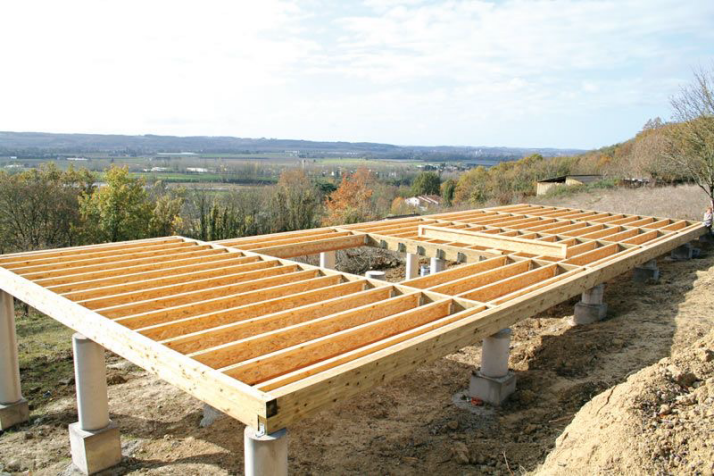
In modern construction, especially in residential housing, prefabricated buildings, and modular projects, floor performance depends heavily on:
l Material stability
l Structural accuracy
l Span capability
l Installation quality
This guide explains how floor joists are designed, installed, and optimized using modern engineered wood solutions.
What Are Floor Joists?
Floor joists are horizontal structural members used to support flooring systems and transfer loads to beams, load-bearing walls, or foundations.
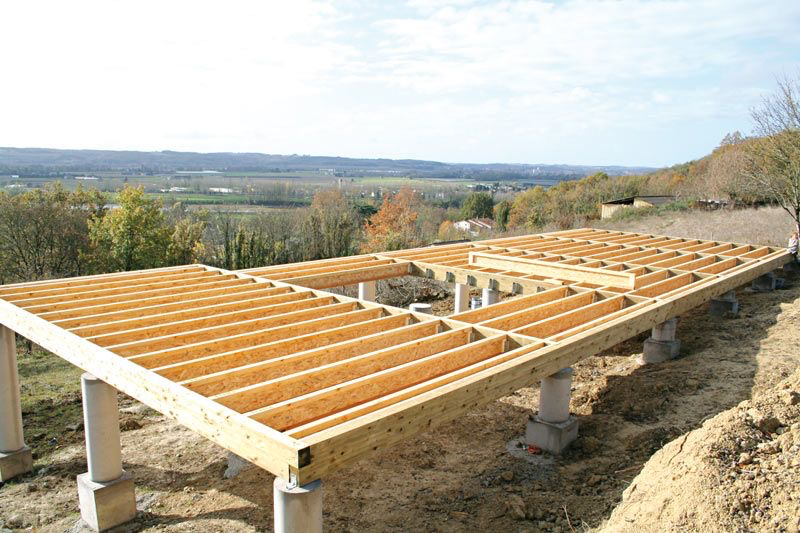
They are responsible for:
l Supporting dead loads (structure weight)
l Carrying live loads (people, furniture, movement)
l Maintaining floor stiffness
l Ensuring structural load distribution
In most residential construction, floor joists are spaced at:
l 16 inches (400 mm) on center
l 24 inches (600 mm) on center
depending on span and building codes.
Types of Floor Joist Materials
1. Solid Timber Joists
Traditional sawn lumber such as 2×8 or 2×10.
Advantages:
l Low cost
l Easy installation
Limitations:
l Natural defects (knots, cracks)
l Shrinkage and warping
l Limited span performance
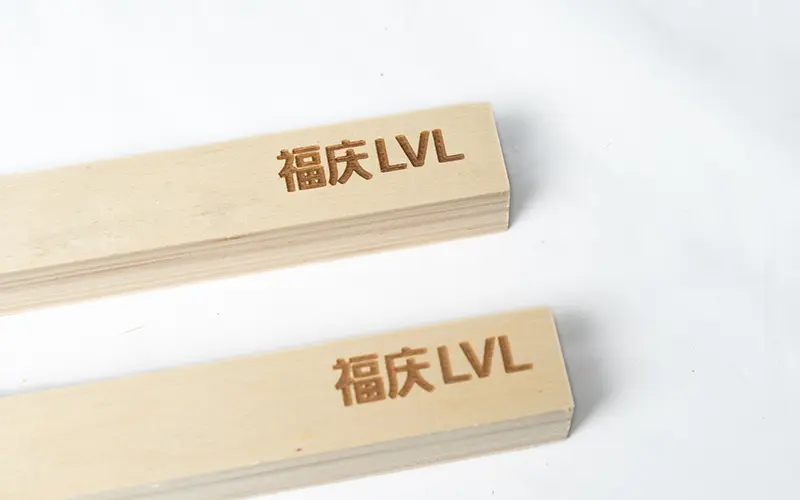
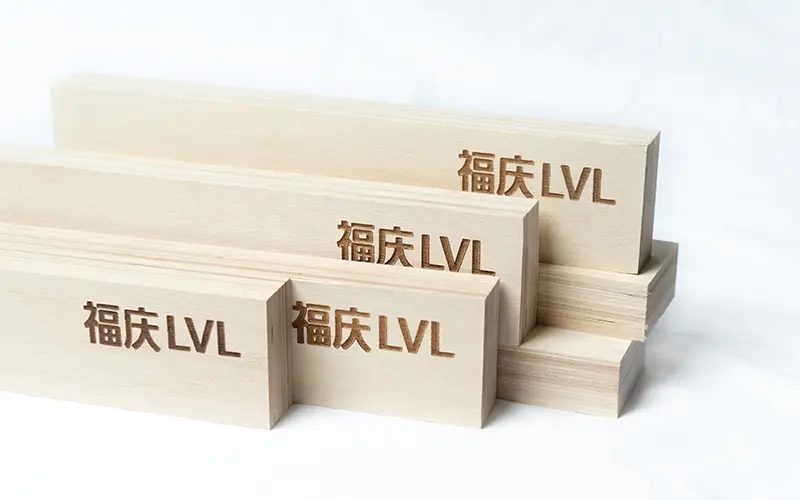
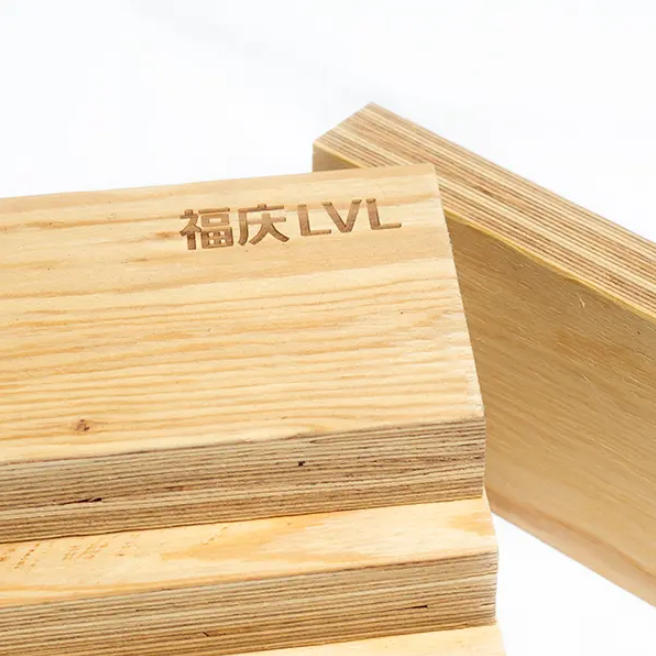
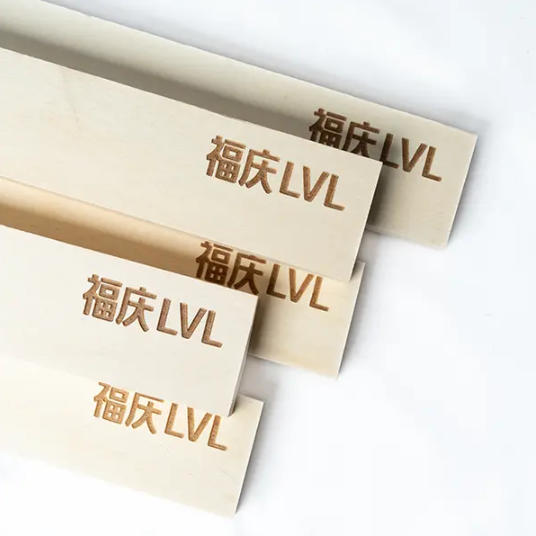
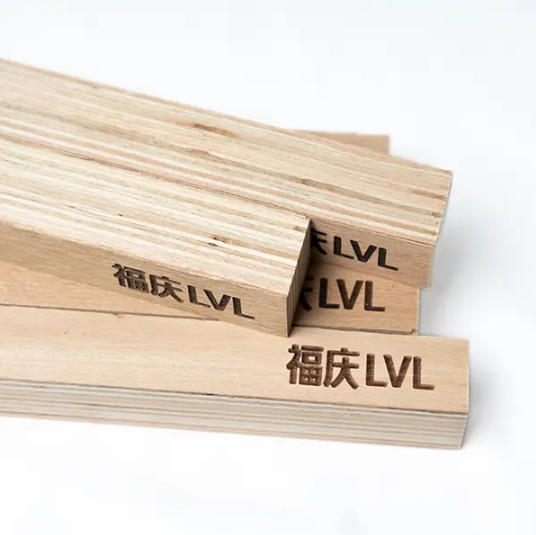
2. Engineered LVL (Laminated Veneer Lumber)
LVL is manufactured by bonding multiple layers of veneer under heat and pressure.
Key advantages:
l High strength-to-weight ratio
l Excellent dimensional stability
l Long-span capability
l Minimal deformation
l Consistent engineering performance
LVL is widely used in modern structural framing systems.
Fuqing Wood Industry produces structural LVL designed for engineered floor systems, ensuring stable density control and consistent performance for global construction projects.
3. I-Joists
I-joists combine LVL flanges with OSB or engineered wood webs.

Benefits:
l Long-span capability
l Lightweight structure
l Reduced floor vibration
l High installation efficiency
Widely used in North America, Australia, and modular housing systems.
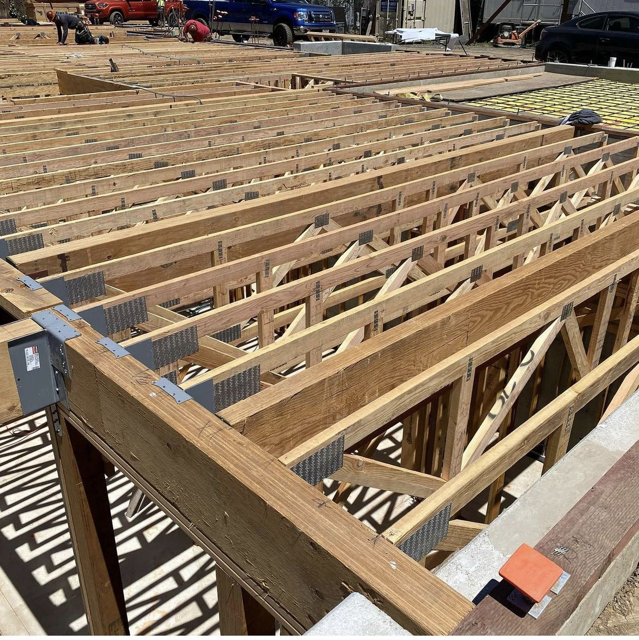
4. Open-Web Floor Trusses
Used in commercial and multi-storey buildings.
Advantages:
l Easy MEP installation (HVAC, plumbing, wiring)
l High load capacity
l Flexible design layout
Key Structural Components
A complete floor system includes more than joists.
Rim Joists
Define the perimeter of the floor system and connect joists.
Blocking
Installed between joists to reduce vibration and improve stiffness.
Sill Plate
Connects structure to foundation and provides moisture protection.
Step-by-Step Floor Joists Construction Process
Step 1: Foundation Preparation
Ensure concrete surface is level and install moisture barrier.
Step 2: Sill Plate Installation
Anchor treated sill plate to foundation.
Step 3: Rim Joist Installation
Form perimeter frame of floor system.
Step 4: Joist Layout
Mark spacing (16” or 24” on center).
Step 5: Joist Installation
Install joists using hangers or fastening systems.
Step 6: Blocking Installation
Improve stiffness and reduce vibration.
Step 7: Subfloor Installation
Install plywood or OSB panels with adhesive and fasteners.
Common Construction Problems
Improper floor joist construction may cause:
l Floor squeaking
l Excessive deflection
l Structural vibration
l Uneven flooring surface
l Reduced building lifespan
These issues are often caused by:
l Poor material selection
l Incorrect spacing
l Low-quality timber
l Improper installation
Why Engineered LVL Is Becoming the Preferred Choice
Modern construction increasingly shifts toward engineered wood systems due to stricter building performance requirements.
Compared to solid timber, engineered LVL and I-joists offer:
l Higher structural consistency
l Better load distribution
l Longer span capability
l Reduced deformation risk
l Improved installation efficiency
Fuqing Wood Industry has been manufacturing structural LVL for over 36 years, supplying engineered wood solutions to Japan, Australia, North America, and Middle East markets.
Our LVL products are widely used in:
l Floor joist systems
l I-joist flange materials
l Structural framing
l Modular housing construction
With stable production systems and strict quality control, Fuqing LVL is engineered for high-load and long-span structural applications.
Material Comparison Table
Material | Strength | Span | Stability | Cost | Application |
Solid Timber | Medium | Short | Medium | Low | Basic housing |
LVL | High | Long | Excellent | Medium | Structural framing |
I-Joist | Very High | Long | Excellent | Medium | Modern floor systems |
Open Web Truss | High | Very Long | Excellent | High | Commercial buildings |
FAQ
What is the best material for floor joists?
Engineered wood products such as LVL and I-joists are widely preferred due to their strength, stability, and long-span performance.
How far apart should floor joists be spaced?
Most residential floor joists are spaced at 16 inches (400 mm) or 24 inches (600 mm) on center depending on structural design.
Why is LVL used in floor joists?
LVL provides consistent strength, reduced deformation, and long-span capability, making it ideal for engineered floor systems.
What causes floor vibration?
Floor vibration is often caused by undersized joists, poor material quality, or insufficient blocking.
Why Choose Fuqing Wood Industry
Fuqing Wood Industry is a professional manufacturer of structural LVL and engineered wood products.
We provide:
l 36+ years manufacturing experience
l Stable supply to global markets
l Structural-grade LVL for floor systems
l Custom engineered wood solutions
l Consistent quality control system
Our products are designed for:
l Floor joist systems
l I-joist manufacturing
l Structural framing applications
l Prefabricated construction systems
Looking for Reliable Structural LVL for Floor Joist Systems?
Fuqing Wood Industry provides engineered LVL solutions designed for modern construction requirements.
Whether you are an I-joist manufacturer, building contractor, or material importer, we