EN
EN
 jp
jp  ko
ko 
Laminated Veneer Lumber (LVL) is one of the most widely used engineered wood products in modern construction. It is known for its high strength, dimensional stability, and consistent structural performance, making it suitable for beams, headers, floor joists, roof structures, and many other building applications. Unlike traditional solid timber, LVL is manufactured through a controlled industrial process that combines thin wood veneers with structural adhesives to create a strong and reliable material. Understanding how LVL is made helps builders, architects, and distributors appreciate why it performs so well in structural applications.
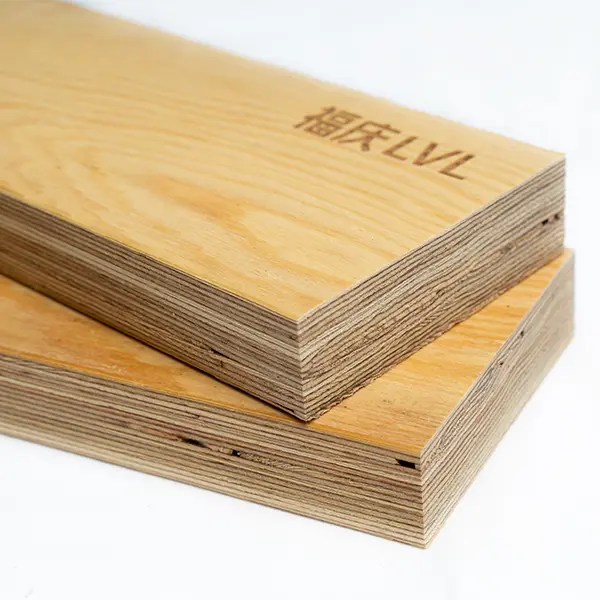
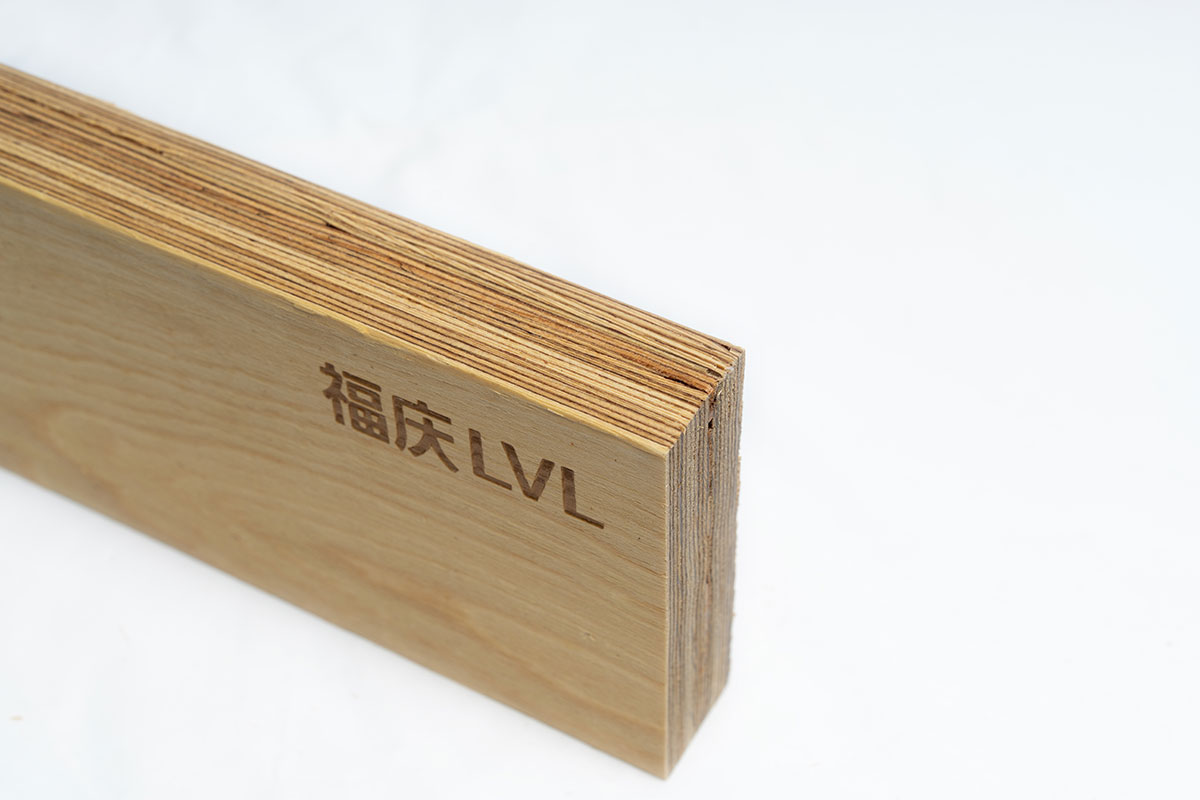
LVL is an engineered wood product made by bonding together multiple thin layers of wood veneer using strong adhesives under heat and pressure. All veneer layers are aligned with the grain running in the same direction, which maximizes strength along the length of the beam.
Because the veneers are laminated together, natural defects such as knots and splits are dispersed or removed during manufacturing. This results in a structural material with predictable mechanical properties and high load-bearing capacity.
LVL is commonly used in construction for:
Structural beams
Door and window headers
Floor joists
Roof beams and rafters
Scaffolding boards
Columns and framing members
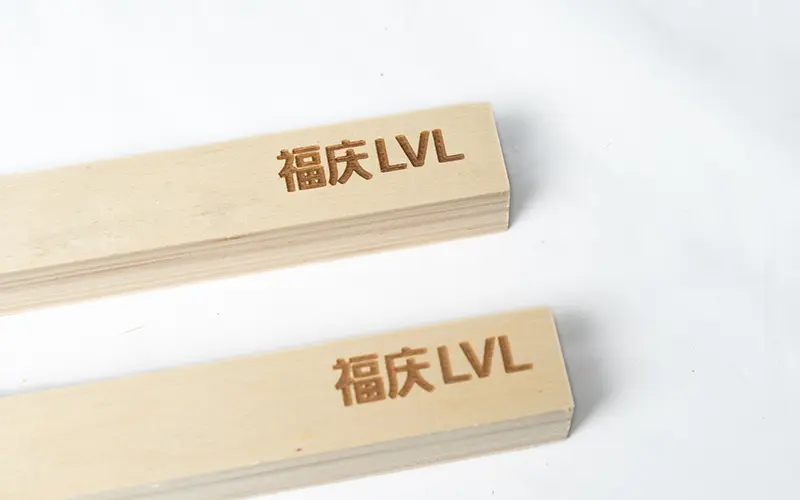
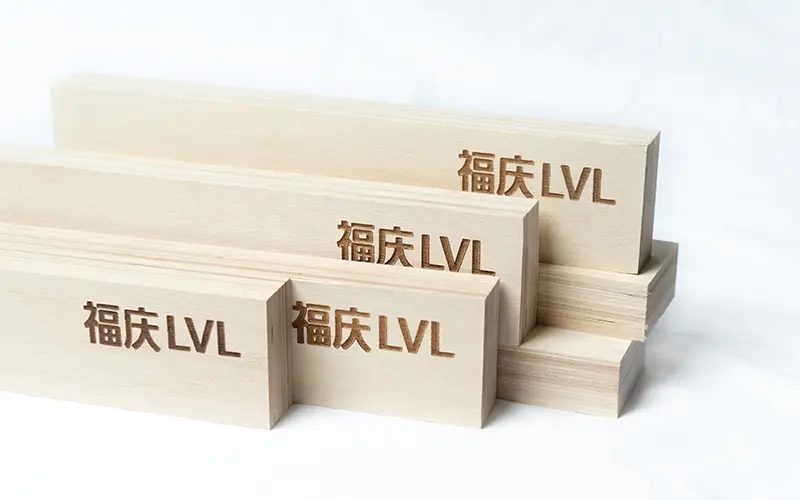
LVL manufacturers such as Fuqing Wood produce various engineered LVL products used in structural applications, including beams, columns, scaffolding boards, and door components.
The production of laminated veneer lumber involves several carefully controlled stages to ensure high structural quality and consistent performance.
The LVL manufacturing process begins with the selection of suitable logs. Typically, fast-growing softwood species such as pine, spruce, or fir are used because they provide a good balance of strength and workability. The logs are first debarked and cut into manageable lengths before being processed into veneers.
In modern LVL manufacturing plants, the logs may also be scanned using automated systems to detect defects or foreign objects such as metal fragments. This step helps ensure product quality and protects processing equipment.
Once the logs are prepared, they are placed on a rotary peeling machine that peels the log into thin continuous sheets of veneer.
These veneer sheets are typically:
2–4 mm thick
Several meters long
Up to 1 meter wide
Rotary peeling maximizes the use of each log, allowing manufacturers to produce large quantities of veneer with minimal waste. This stage is critical because the thickness and quality of the veneer layers will influence the final structural properties of the LVL.
Freshly peeled veneers contain high moisture content, which can affect adhesive bonding and product stability. To prepare the veneers for lamination, they are dried in industrial dryers until they reach a controlled moisture content, typically between 6% and 10%. [1]
Proper drying ensures:
Strong adhesive bonding
Dimensional stability
Reduced risk of mold or warping
Once dried, the veneers are ready for grading and further processing.
After drying, each veneer sheet is inspected and graded based on its structural quality.
During this stage, manufacturers evaluate:
Strength and stiffness
Knot size and distribution
Grain orientation
Surface defects
High-quality veneers are selected for structural LVL production, while lower-grade veneers may be redirected to other wood products. Advanced manufacturing facilities often use automated scanning technology to analyze veneer properties and ensure consistent product performance.
Once the veneers are graded, a structural adhesive is applied to their surfaces. The most commonly used adhesives include phenol-formaldehyde resin and melamine-urea-formaldehyde resin. These adhesives are designed to provide strong bonding between veneer layers, moisture resistance and long-term structural durability. The adhesive is typically applied using automated glue spreaders to ensure even coverage across each veneer sheet.
After adhesive application, the veneers are stacked together in a process known as lay-up. Unlike plywood, where the grain direction alternates between layers, LVL veneers are aligned parallel to each other. This parallel alignment is essential because it concentrates the wood fibers along the length of the beam, maximizing bending strength and stiffness. [2] The stacked veneers form a large panel called a billet, which will later be pressed and cut into individual beams or boards.
Some manufacturing processes include a cold pressing stage before hot pressing.
During cold pressing:
The veneer stack is lightly compressed
Air pockets are removed
Adhesive distribution is stabilized
This step helps ensure that the veneer layers remain properly aligned before final bonding.
The veneer billet is then transferred to a large hydraulic hot press.
In this stage:
Heat activates the adhesive
High pressure compresses the veneer layers together
The adhesive cures and forms a permanent bond
Typical pressing conditions include:
Temperature around 160°C
High mechanical pressure
Controlled pressing time
The result is a solid engineered wood billet with strong internal bonding. [3]
After pressing, the LVL billet is cooled and then cut into final product dimensions. These products may include LVL beams, LVL columns, LVL planks and LVL door components. Lengths can vary widely depending on the application, with some LVL beams reaching up to 12 meters or more. [4] Edges are trimmed, and surfaces may be sanded to improve dimensional accuracy and appearance.
The final stage of LVL production involves inspection and finishing.
Manufacturers conduct quality checks to verify:
Density and stiffness
Dimensional accuracy
Adhesive bond integrity
Structural performance
Products may also receive additional treatments for:
Moisture resistance
Fire performance
Insect protection
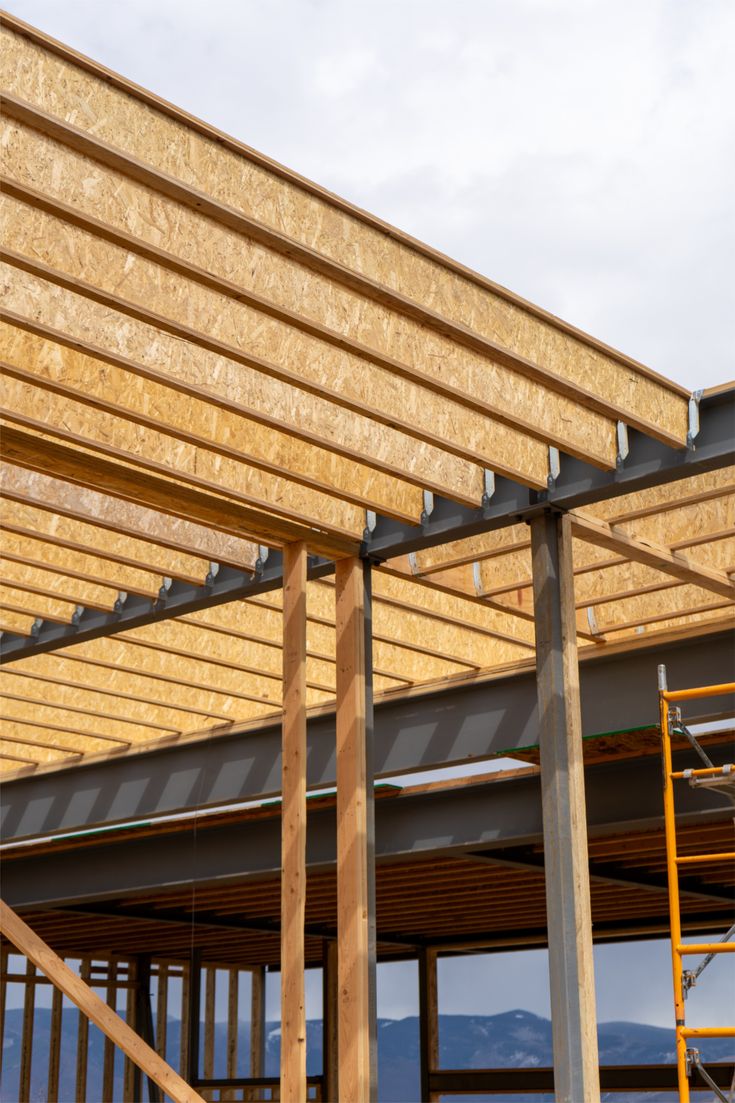
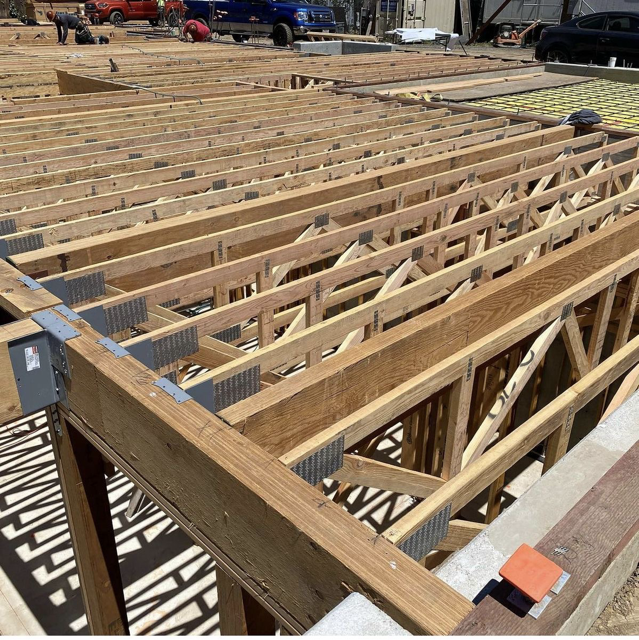
LVL beams can span long distances while supporting heavy loads, making them ideal for door and window headers.
LVL is often used in floor joists and rim boards due to its high stiffness and dimensional stability.
LVL rafters and ridge beams provide structural support in modern roof systems.
LVL columns can carry vertical loads in residential and commercial buildings.
Engineered LVL boards are also widely used as scaffolding planks because of their strength and uniformity.
The manufacturing process of laminated veneer lumber transforms raw wood logs into one of the most reliable engineered wood materials used in construction today.
Through a series of carefully controlled steps, veneer peeling, drying, grading, adhesive bonding, pressing, and finishing, LVL achieves exceptional strength and dimensional stability. This advanced production method allows LVL to outperform traditional lumber in many structural applications, including beams, headers, floor systems, and roof framing. Manufacturers produce a wide range of LVL engineered wood products designed to meet the demands of modern construction. Their solutions demonstrate how engineered wood technology can create stronger, more sustainable building materials.
Reference:
[1] https://www.woodskyscrapers.org/laminated-veneer-lumber.html
[2] https://www.fushiwoodgroup.com/news-how-to-build-with-laminated-veneer-lumber.html
[3] https://www.plywoodmachineline.com/Laminated-Veneer-Lumber-plywood-hot-pressing-process-pd40118619.html
[4] https://dindas.com.au/what-is-lvl-laminated-veneer-lumber-and-how-is-it-made/