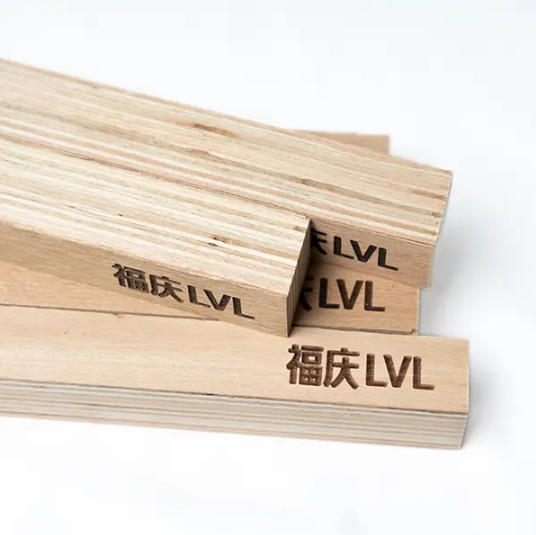
In modern construction, the performance and durability of a building largely depend on one critical but often overlooked component: the floor joist. These horizontal structural members form the backbone of floor systems in residential and commercial buildings.
What Is a Floor Joist?
A floor joist is a horizontal structural element that spans between load-bearing walls, beams, or foundations. Installed in parallel, joists support floor and ceiling systems by transferring:
Live loads (people, furniture, movement)
Dead loads (structural weight of materials)
Together, they create a stable and evenly distributed floor structure.
Floor Joist Construction
Proper installation of floor joists is essential for structural integrity.
Key construction elements include:
Spacing (typically 12”, 16”, or 24” OC)
Rim joists for perimeter stability
Blocking and bridging to prevent rotation
Joist hangers for structural connection
Correct installation ensures long-term floor stability and prevents deflection or squeaking.
Types of Floor Joists
1. Solid Timber Joists
Traditional lumber joists are cost-effective but prone to warping, shrinkage, and inconsistency.
2. Open Web Floor Trusses
Ideal for long spans and mechanical integration, allowing services to pass through the floor system.
3. Engineered I-Joists
Modern I-joists consist of LVL flanges and OSB webs, delivering superior strength and dimensional stability.
Fuqing Wood manufactures high-performance engineered I-joists using LVL flanges and precision OSB webs. Designed for structural reliability, they enable longer spans and more flexible architectural layouts.
Conclusion
Floor joists are the structural foundation beneath every floor system. Understanding floor joist definition and choosing engineered solutions such as LVL-based I-joists ensures greater stability, efficiency, and long-term performance in modern construction.
 EN
EN
 jp
jp  ko
ko