EN
EN
 jp
jp  ko
ko 
Scaffolding platforms are essential in construction, maintenance, and industrial projects where workers need safe access to elevated areas. The boards used to create these platforms must provide high load capacity, structural stability, and reliable safety performance. Traditionally, solid wood scaffold boards were widely used, but engineered products such as LVL scaffold planks are increasingly becoming the preferred option in modern construction. Understanding the differences between laminated scaffold planks and traditional wood scaffold boards is important for contractors, project managers, and scaffolding suppliers who want to ensure both safety and efficiency.
Scaffold planks form the working platform in scaffolding systems, allowing workers to stand, move tools, and perform construction tasks safely at height. These planks must be strong enough to support workers, equipment, and materials.
There are three main types of scaffold planks used today: solid wood scaffold boards, LVL scaffold planks (engineered wood), metal scaffold planks (steel or aluminum). Among these options, solid wood and LVL scaffold boards are the most commonly used in construction projects because they offer a good balance between cost, weight, and performance.
Traditional wood scaffold boards are made from solid timber species such as Douglas fir or Southern yellow pine and must meet specific grading requirements to ensure adequate strength and safety. These boards are often stamped with grading information and moisture content limits to confirm compliance with safety standards. However, engineered wood products like LVL are increasingly replacing solid timber boards due to their higher structural consistency and improved durability.
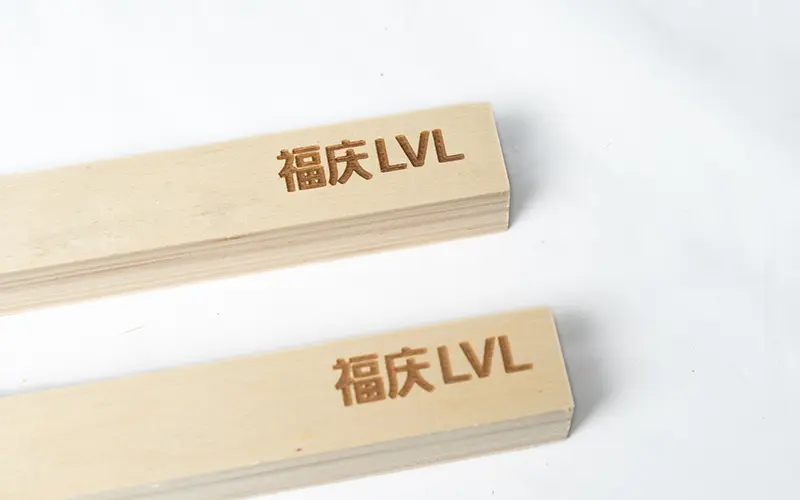
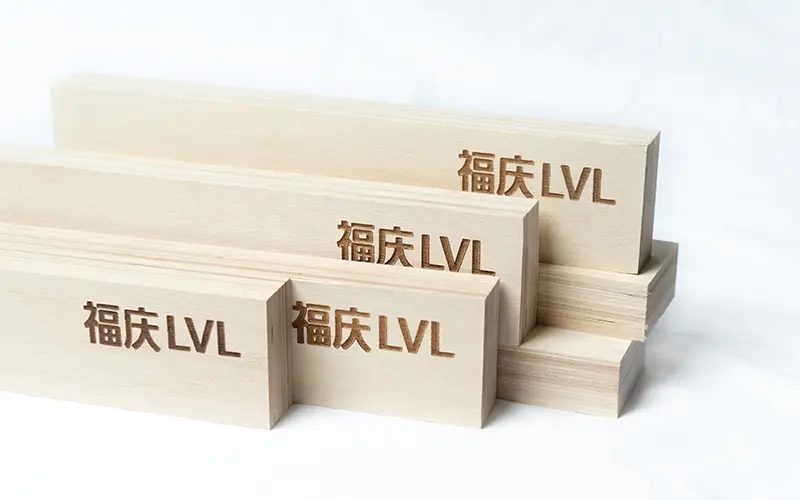
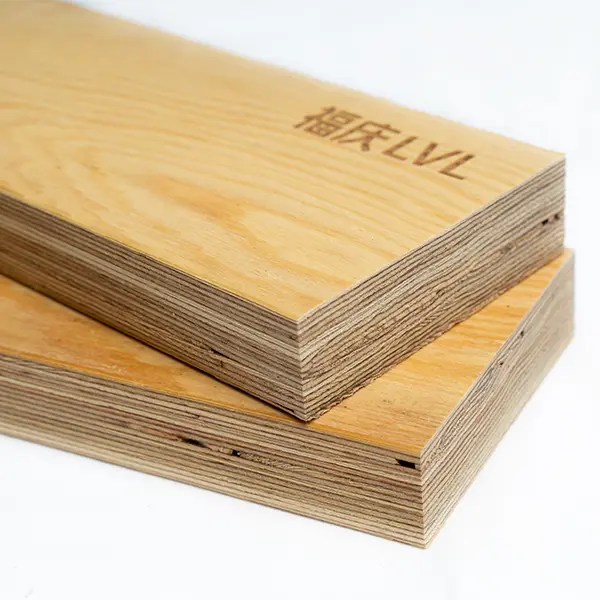
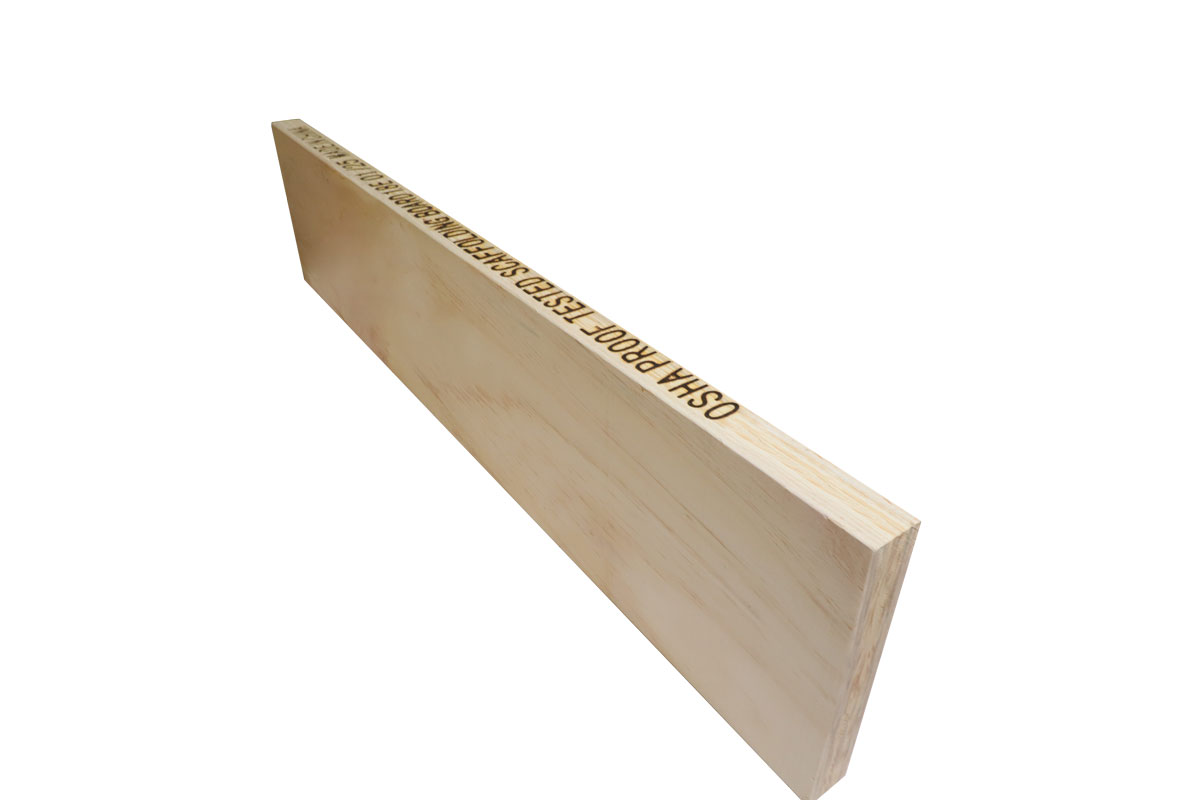
Laminated scaffold planks, also known as LVL scaffold boards, are engineered wood products made by bonding multiple thin wood veneers together with structural adhesives under heat and pressure. This manufacturing process produces boards with highly uniform mechanical properties and eliminates many of the natural defects found in solid timber.
LVL scaffold planks offer several key characteristics:
High strength and stiffness
Excellent dimensional stability
Resistance to cracking and warping
Consistent load performance
Because LVL is made by layering veneers with strong adhesives, the resulting boards have enhanced structural properties compared with traditional solid wood boards. [1]
One of the biggest advantages of LVL scaffold planks is their superior structural strength. The engineered manufacturing process aligns the wood fibers in a single direction and bonds them together with high-performance adhesives. This creates a material that can support heavier loads and span longer distances compared with many traditional scaffold boards.
Research and industry data show that LVL provides higher strength and stiffness, enabling it to support greater loads without sagging or breaking. [2] This makes LVL particularly suitable for demanding construction environments where scaffolding must support multiple workers, heavy tools and equipment, and construction materials. Because LVL planks are engineered, their load-bearing capacity is predictable and consistent, which is crucial for scaffolding safety.
Safety is the most critical factor when selecting scaffold planks. Both traditional wood scaffold boards and LVL planks must meet strict safety regulations, including standards established by organizations such as OSHA. However, LVL planks offer several safety advantages:
Solid wood boards may contain knots, grain irregularities, or internal defects that weaken their structure. LVL boards eliminate these natural defects through engineered manufacturing.
Traditional timber boards can split along the grain when subjected to heavy loads or impacts. LVL boards are far less likely to split because their layered structure distributes stresses more evenly.
For example, an LVL plank may safely support a typical three-worker load over a slightly longer span than solid-sawn planks due to its improved structural properties.
These factors make LVL scaffold planks a reliable platform for high-risk construction environments.
Scaffolding platforms are often exposed to harsh environmental conditions, including rain, humidity, and temperature changes.
Traditional timber scaffold boards can degrade over time due to:
Moisture absorption
Rot and fungal decay
Insect damage
Warping and cracking
LVL scaffold boards are typically manufactured using phenolic or melamine adhesives, which provide strong bonding and water resistance. These adhesives help protect the boards from moisture damage and environmental wear, allowing them to maintain their structural performance in outdoor conditions. Additionally, the layered structure of LVL boards improves resistance to warping, twisting and splitting. As a result, LVL scaffold planks generally offer a longer service life than traditional wood boards.
Despite their high strength, LVL scaffold boards remain relatively lightweight. Compared with solid timber boards of similar dimensions, LVL planks can be lighter while still maintaining high load capacity, which makes them easier to handle and transport on construction sites.
This lightweight design offers several practical advantages:
Easier installation and dismantling of scaffolding
Reduced labor effort
Improved jobsite efficiency
For large construction projects where scaffolding systems must be moved frequently, these benefits can significantly improve productivity.
At first glance, traditional wood scaffold boards may appear more affordable than LVL planks. However, when considering long-term performance, LVL often proves to be more cost-effective. Solid timber boards tend to have a shorter lifespan, especially when exposed to moisture and outdoor conditions. They may require frequent replacement due to cracking, warping, or rot.
LVL planks, on the other hand, offer improved durability and resistance to environmental damage. This means they typically last longer and require fewer replacements over time. Although LVL may sometimes have a higher upfront cost, its longer service life can reduce overall project expenses. For large construction projects, these savings can become significant.
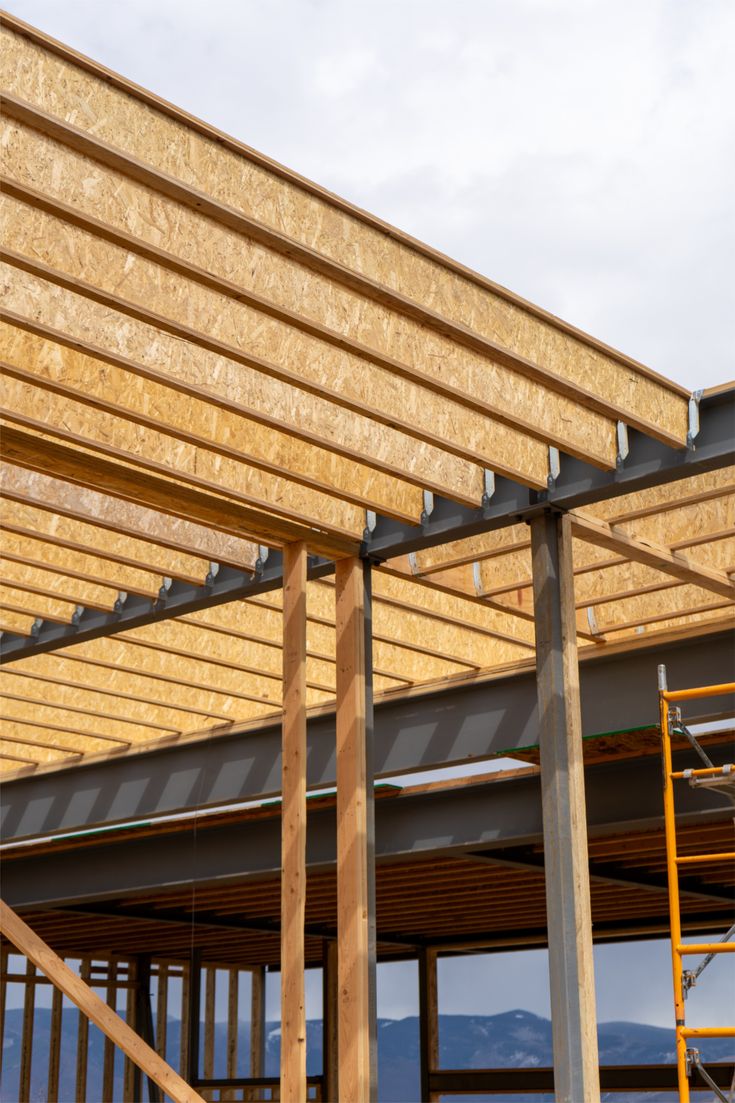
The construction industry increasingly relies on engineered wood materials for structural reliability and safety.
LVL scaffold planks combine several advantages that make them ideal for scaffolding systems:
Engineered strength and consistency
High load-bearing capacity
Improved resistance to moisture and damage
Lightweight design for easy handling
Longer service life
These characteristics allow LVL boards to meet the demanding requirements of modern construction projects while maintaining a high level of worker safety.
For contractors and scaffolding suppliers looking for reliable engineered scaffold planks, Fuqing Wood Industry manufactures high-quality LVL scaffolding boards designed for demanding construction environments.
Fuqing laminated scaffold planks for sale are engineered to provide:
Excellent strength and stability
Consistent structural performance
Reduced deformation and warping
Reliable safety for elevated work platforms
These boards are commonly used in construction, maintenance, and industrial scaffolding applications where stable working platforms are required.
Typical specifications for Fuqing LVL scaffolding boards include:
Thickness: 38–42 mm
Width: 225–230 mm
Length: 3 m, 4 m, or 6 m
Moisture content: 5–16%
Adhesive: Phenol formaldehyde or melamine glue
Standard compliance: OSHA
By using advanced manufacturing technology and strict quality control, Fuqing ensures that each board delivers uniform strength and dependable structural performance.
| Feature | LVL Scaffold Planks | Solid Wood Scaffold Boards |
| Material type | Engineered laminated veneer lumber | Solid timber |
| Strength consistency | High | Variable |
| Resistance to warping | Excellent | Moderate |
| Risk of splitting | Very low | Higher |
| Load capacity | High | Depends on wood grade |
| Durability | Long service life | Shorter lifespan |
| Weight | Lightweight | Slightly heavier |
| Maintenance | Low | Higher |
Scaffolding platforms must provide reliable support for workers operating at height, making the choice of scaffold plank material extremely important.
While traditional solid wood scaffold boards have been used for decades, LVL scaffold planks offer clear advantages in terms of strength, durability, and safety. Their engineered structure eliminates many of the weaknesses found in natural timber, resulting in a more stable and predictable construction material.
LVL boards provide higher structural strength, improved dimensional stability, better resistance to moisture and damage and longer service life. These benefits make LVL scaffold planks an excellent choice for modern construction projects.
Reference:
[1] https://www.fushiwoodgroup.com/product-lvl-osha-scaffold-planks-sizes-053369-160895.html
[2] https://www.ulink-wood.com/blog/are-lvl-more-expensive-than-scaffold-boards-513646.html