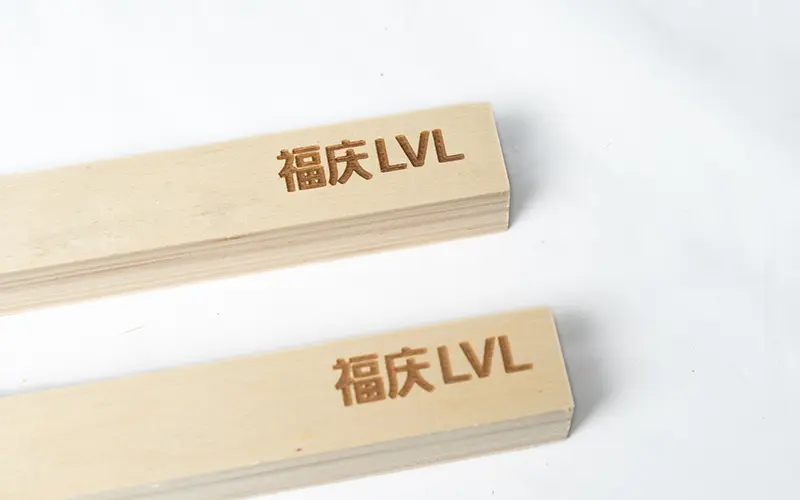
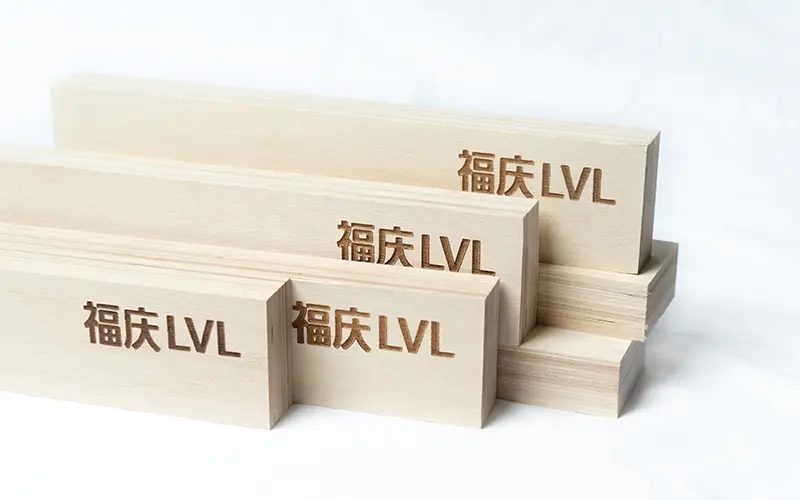
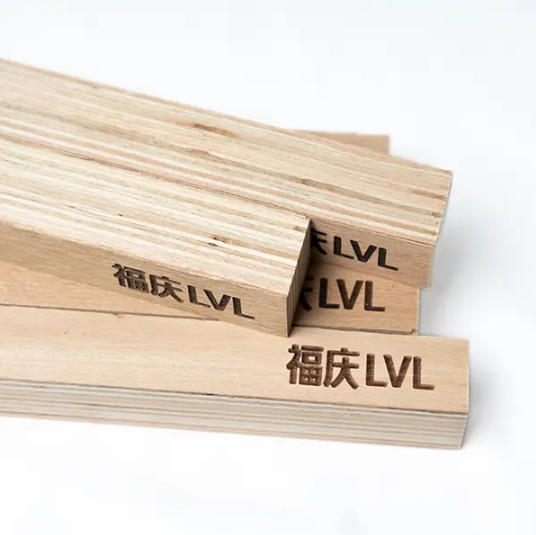
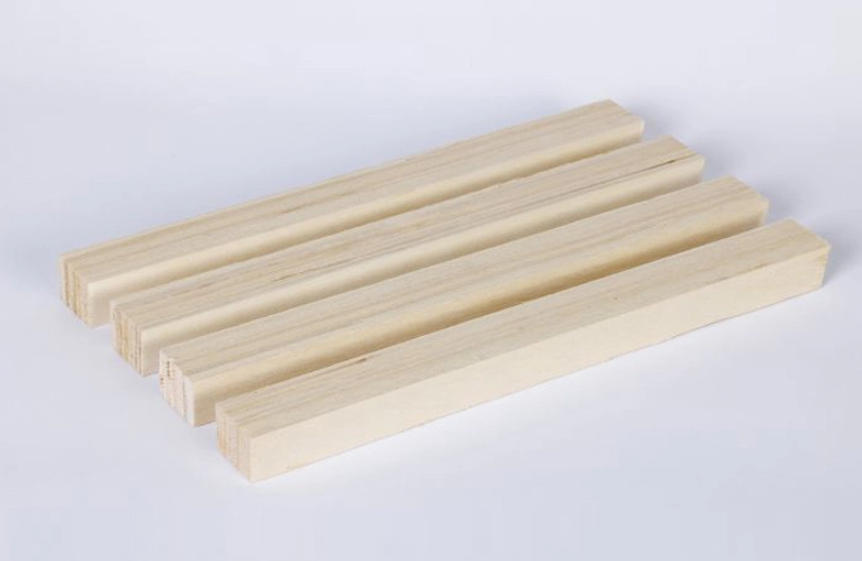
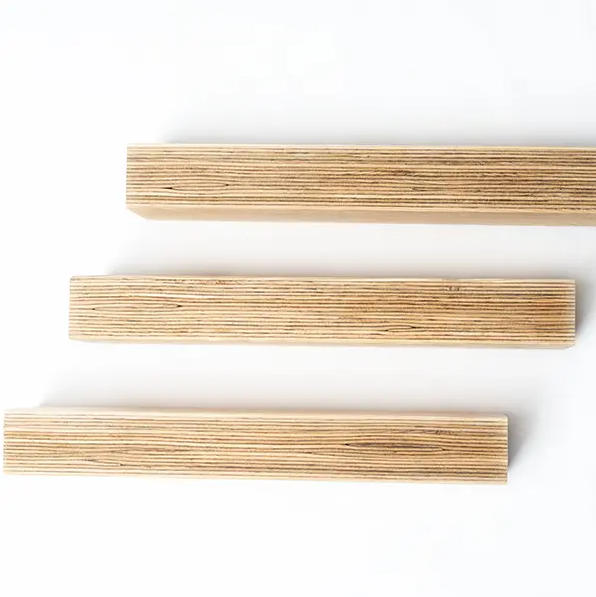
In the modern era of sustainable architecture, the transition from traditional solid-sawn timber to engineered wood products has redefined the limits of what is possible in building design. At the forefront of this revolution is Laminated Veneer Lumber (LVL). As a high-performance structural material, the LVL structure has become the backbone of residential and commercial projects worldwide, offering a level of strength, reliability, and versatility that traditional wood simply cannot match.
About LVL Structure
Laminated Veneer Lumber (LVL) is an engineered wood product that falls under the category of structural composite lumber. LVL is manufactured by bonding thin wood veneers together under heat and pressure using powerful adhesives.
The defining characteristic of LVL, and what distinguishes it from plywood, is the orientation of the veneers. In an LVL beam, the wood grain of every layer is placed parallel to the length of the member. This specific structure is what allows the material to carry immense loads over long spans, acting much like a modern, organic version of a steel I-beam. This process essentially re-engineers the tree, removing the natural inconsistencies like large knots or grain deviations and dispersing them throughout the cross-section of the beam.
The Structural Advantages of LVL
Why are architects and engineers increasingly specifying LVL over traditional lumber? The answer lies in the inherent advantages of its engineered structure.
Unmatched Consistency: In traditional timber, a single hidden knot can significantly weaken a beam. In an LVL structure, those defects are randomized during the peeling and layup process. This results in a material that is uniform in strength and predictable in performance, allowing for more precise engineering calculations.
Dimensional Stability: One of the greatest challenges with solid wood is its tendency to shrink, warp, or twist as it dries. LVL is manufactured at a controlled moisture content, typically between 5% and 10%. This makes the material incredibly stable. Builders can install a 12-meter LVL beam and be confident that it will remain straight for the life of the building, reducing the risk of floor squeaks or drywall cracks.
High Strength-to-Weight Ratio: Despite being significantly lighter than steel or concrete, LVL offers comparable structural capacity. This makes it an ideal choice for renovation projects where heavy machinery cannot be used, or for sustainable buildings where reducing the overall carbon footprint of the structure is a priority.
Applications in Modern Mass Timber Construction
LVL is a vital component of the Mass Timber movement. It is used for:
Primary Beams and Columns: Carrying the weight of entire floors in commercial buildings.
Truss Components: Providing the tension and compression chords in long-span roof trusses.
Portal Frames: Used in large industrial sheds or sports halls where wide, open spaces are required.
Rim Boards: Strengthening the perimeter of floor systems to resist vertical and lateral loads.
Fuqing Wood
When designing an LVL structure, the quality of the material is the single most important factor for safety and longevity. This is where the choice of manufacturer becomes critical. Fuqing Wood is a LVL beam manufacturer, a global leader in the production of high-grade engineered wood products.
Fuqing Wood’s LVL is produced using advanced rotary peeling technology and high-performance, water-boil-proof (WBP) adhesives. Their commitment to international standards, including CE, FSC, and JAS certifications, ensures that every beam that leaves their facility is capable of meeting the rigorous demands of modern structural engineering. Whether your project requires structural LVL or specialized column grades, Fuqing Wood provides the consistency that professionals expect.
Sustainability and the Future of Wood Structures
The move toward LVL structures is also driven by environmental necessity. Wood is a renewable resource that sequesters carbon dioxide, and engineered products like LVL make much better use of the available timber. The production process allows for the use of smaller, faster-growing trees that might not be suitable for solid-sawn lumber.
Furthermore, the efficiency of LVL production means there is very little waste. Every part of the log is utilized, and the resulting product is 100% recyclable. In a world where the construction industry is under pressure to reduce its carbon emissions, LVL represents a path forward that does not sacrifice strength for sustainability.
By combining the natural benefits of wood with the precision of modern engineering, LVL provides a solution that is stronger, straighter, and more sustainable than traditional timber. By sourcing high-quality engineered wood from trusted providers like Fuqing Wood, builders can ensure that their structures are not only built to code but are built to last for generations. As we look toward the future of architecture, one characterized by taller timber buildings and larger open-concept spaces, LVL will undoubtedly remain at the heart of the structure.
 EN
EN
 jp
jp  ko
ko