EN
EN
 jp
jp  ko
ko 
In modern construction, engineers increasingly rely on engineered wood materials that combine strength, stability, and sustainability. Among these materials, laminated structural lumber has become a preferred solution for structural frameworks due to its consistent performance, predictable engineering properties, and adaptability across different building systems. Compared with traditional solid timber, it offers improved dimensional control and more reliable load-bearing capacity, making it suitable for both residential and commercial applications.
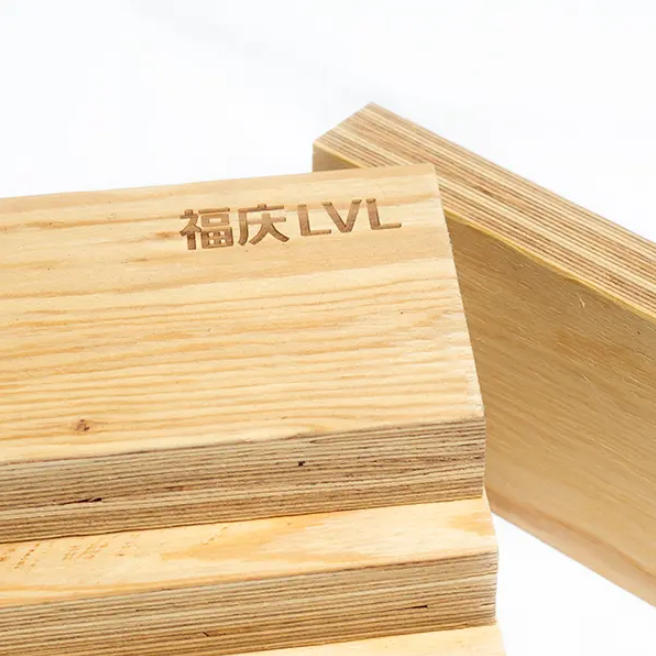
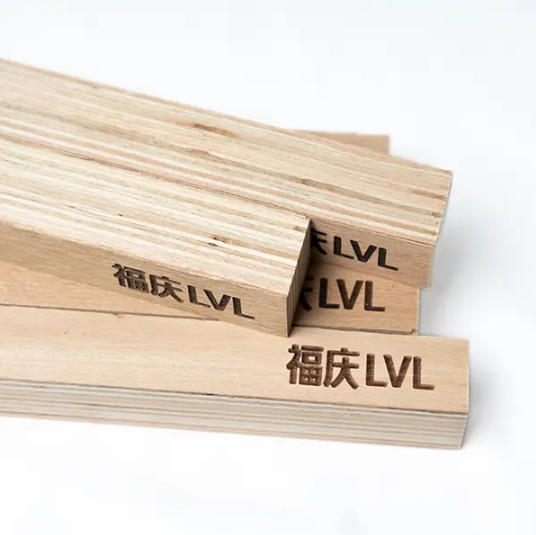
Laminated structural lumber is an engineered wood product manufactured by bonding multiple layers of wood veneers or sawn boards under controlled temperature and pressure. Each layer is carefully oriented to improve strength performance and reduce the impact of natural wood defects.
Manufactured from multiple bonded wood layers
Grain direction aligned for structural strength
Reduced risk of warping, splitting, and twisting
High uniformity and predictable performance
In industrial production, materials such as Radiata Pine, Spruce, Douglas Fir, Larch, and Eucalyptus are commonly selected due to their mechanical properties. These are processed using structural-grade adhesives to ensure long-term bonding stability and performance in load-bearing applications.
The popularity of laminated structural lumber continues to grow because it offers several engineering and construction benefits that improve both efficiency and safety on job sites.
Main advantages include:
High strength-to-weight ratio for easier transportation and installation
Excellent dimensional stability under varying humidity conditions
Strong load-bearing capacity suitable for structural frameworks
Reduced natural defects compared with solid wood materials
Efficient raw material utilization and lower waste generation
Beyond these core benefits, laminated structural lumber also supports more predictable engineering design. Because its performance is standardized, builders can calculate load capacities with greater confidence. This helps reduce construction uncertainty and improves overall project planning accuracy.
Another important advantage is its adaptability. It can be used in a wide range of structural systems, from simple residential framing to complex commercial buildings requiring long spans and high load resistance.
Laminated structural lumber is widely used across different construction sectors due to its versatility and reliable performance. It is particularly valuable in projects where both strength and dimensional accuracy are required.
Common applications include:
Structural beams and lintels in residential buildings
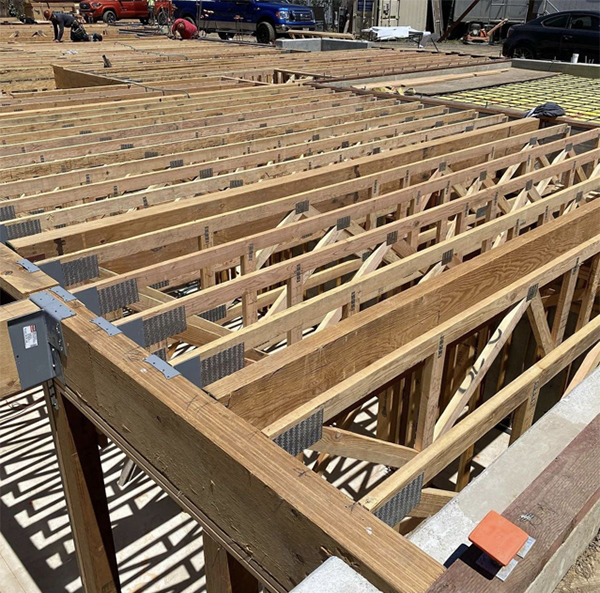
Roof trusses and floor framing systems
Load-bearing columns in commercial structures
Warehouses and industrial building frameworks
Bridge temporary support structures and access systems
Prefabricated building systems and modular construction
In modern architecture, laminated structural lumber is also increasingly used in open-space designs where long-span structures are required. Its ability to maintain strength over extended lengths allows architects to reduce the number of internal supports, creating more flexible and efficient interior layouts.
Additionally, it plays an important role in construction efficiency. Prefabricated components made from laminated structural lumber can be pre-cut and assembled on-site, reducing installation time and labor costs while improving construction accuracy.
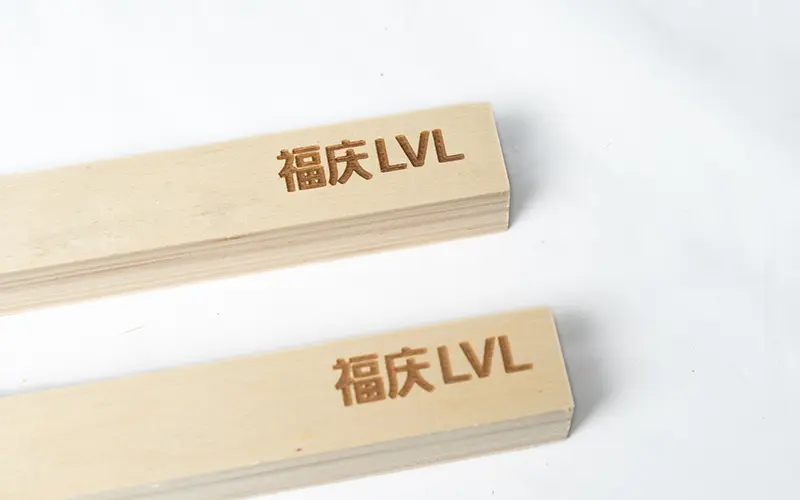
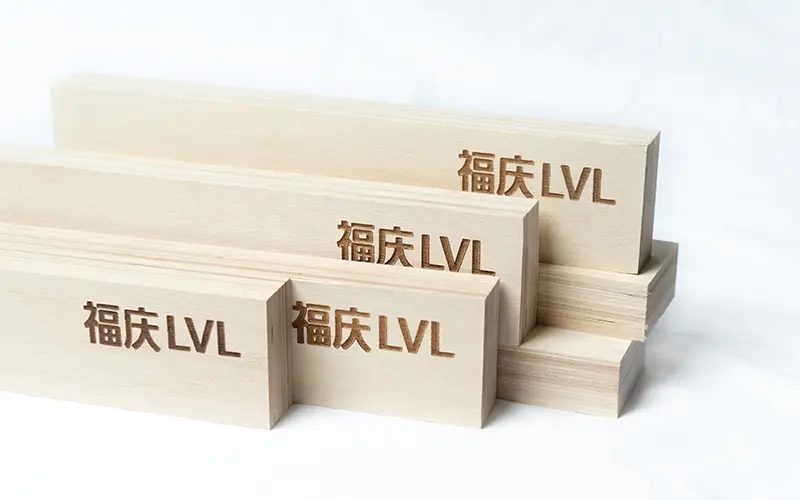
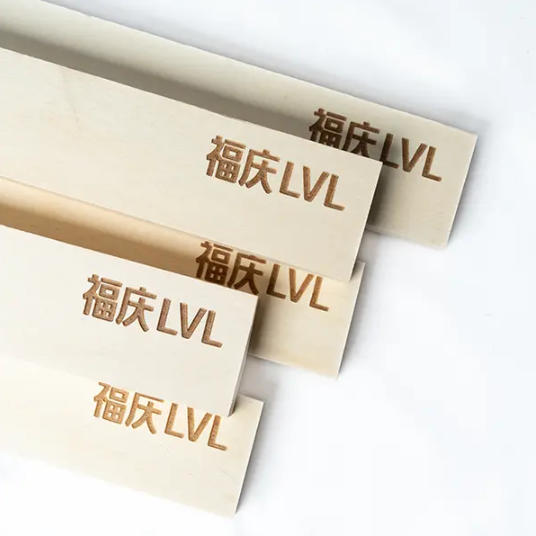
The Fuqing Wood E11 laminated structural lumber is a high-performance engineered wood product designed for demanding structural applications. It is part of Fuqing's structural LVL product range and is developed to meet modern construction requirements for strength, stiffness, and dimensional precision.
The "E11" grade indicates enhanced stiffness performance, making it suitable for applications where structural stability and deflection control are critical. This makes it especially useful in beams, framing systems, and load-bearing components used in both residential and commercial construction projects.
Fuqing Wood E11 is manufactured under strict quality control standards to ensure consistent density, bonding strength, and dimensional accuracy. The controlled production process helps minimize variation between batches, which is essential for engineering reliability and large-scale construction projects.
Because of its stable mechanical properties, Fuqing Wood E11 is also compatible with prefabricated building systems, allowing manufacturers and contractors to achieve faster installation, better structural alignment, and improved overall efficiency.
Choosing laminated structural lumber provides several long-term benefits for modern construction projects, particularly in terms of safety, efficiency, and sustainability. It offers a reliable alternative to traditional solid wood, especially in applications where consistent structural performance is required.
Compared with natural timber, laminated structural lumber delivers improved uniformity and reduces risks associated with natural defects such as knots or irregular grain patterns. This makes it more suitable for engineered design applications where precise load calculations are required.
It also supports sustainable construction practices. By utilizing wood resources more efficiently and reducing material waste, it contributes to environmentally responsible building methods. In addition, its compatibility with prefabrication systems supports faster construction cycles and reduced on-site labor requirements.
As global construction continues to evolve toward higher efficiency and sustainability standards, laminated structural lumber is expected to play an increasingly important role in structural engineering. Its combination of strength, reliability, and versatility makes it a practical choice for a wide range of building applications.