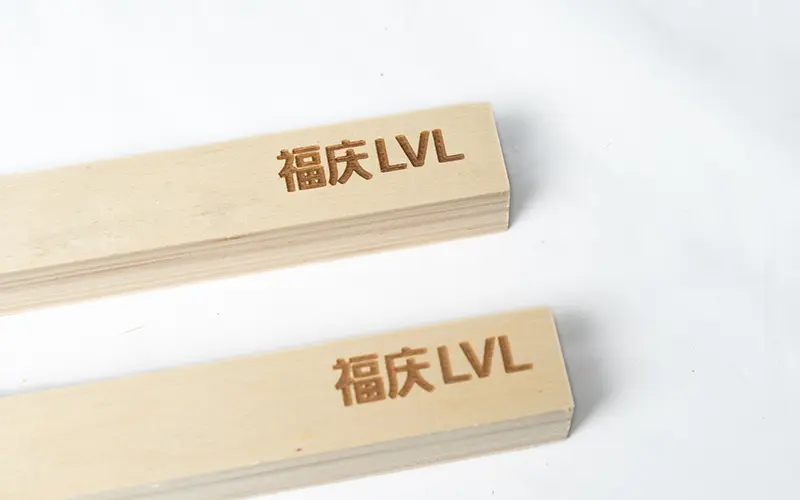
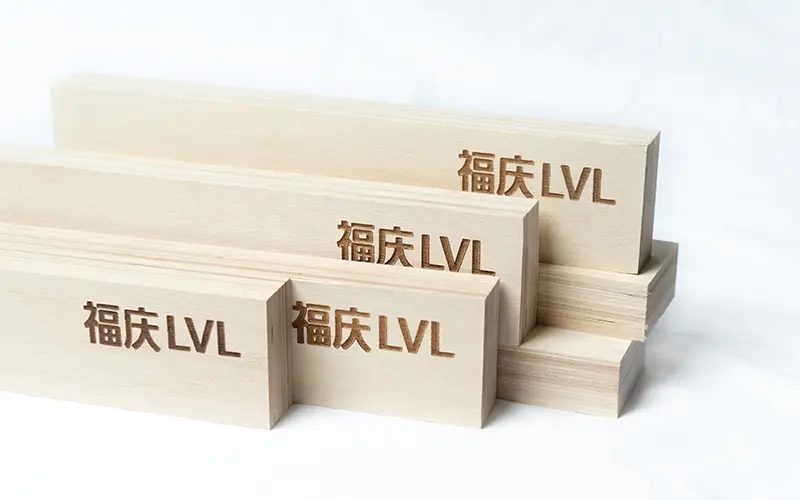
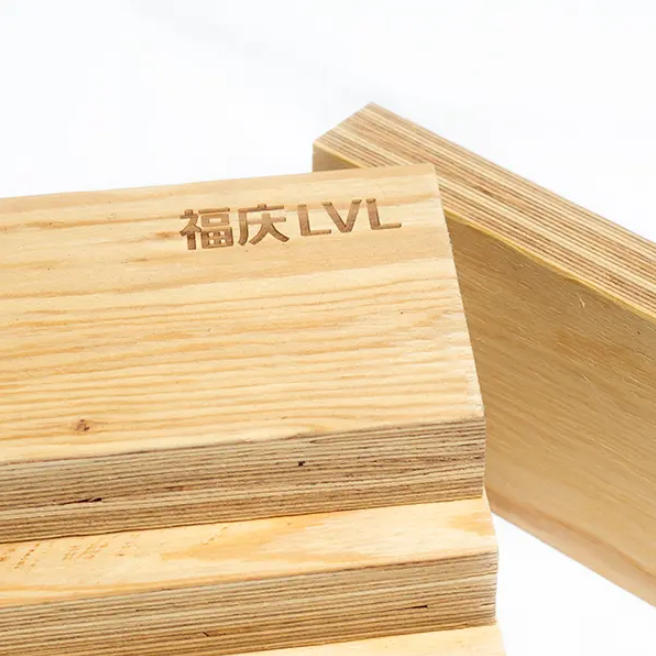
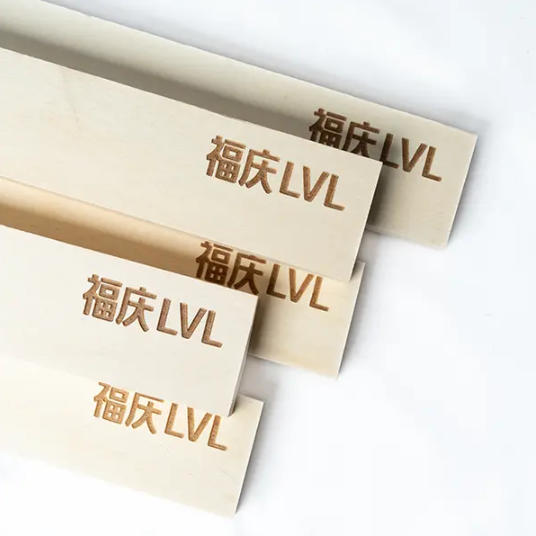
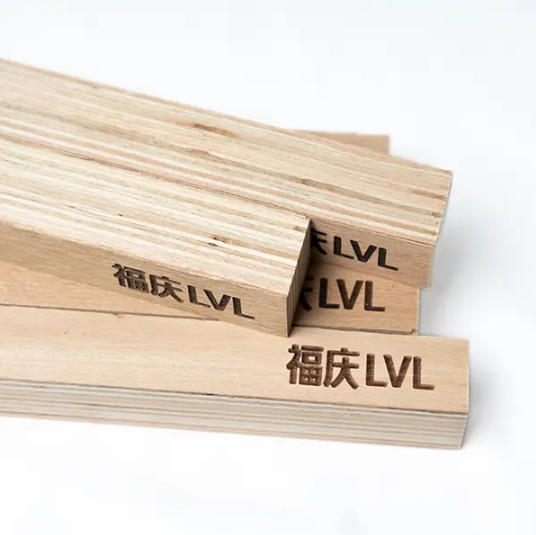
A timber joist is a key structural element used in building construction to support floors, ceilings, and roofs. Understanding what is a timber joist is essential in modern construction because joists are responsible for distributing loads and maintaining structural stability across a building system. Different types of timber joists are used depending on span requirements, load conditions, and construction methods.
What Is a Timber Joist?
A timber joist is a horizontal structural member that supports loads from floors or roofs and transfers them to beams or load-bearing walls. In most building systems, joists are arranged in parallel spacing to form a structural grid that ensures even load distribution.
Timber joists are essential in construction because they help buildings handle both static loads, such as furniture and building materials, and dynamic loads, such as movement from occupants. Without joists, floor and roof structures would lack sufficient support and stability.
Solid Timber Joists
Solid timber joists are the traditional type of joist used in construction. They are made from a single piece of natural wood and are still widely used in smaller or cost-sensitive projects.
Key Features:
Made from a single piece of sawn timber
Simple structure and easy to install
Good natural compressive strength
Widely available and cost-effective
Limitations:
Limited span length compared to engineered options
Prone to warping, shrinking, or twisting over time
Performance depends on natural wood quality
May contain natural defects such as knots
Because of these limitations, solid timber joists are less commonly used in modern large-span construction projects.
Engineered Timber I-Joists
Engineered I-joists are widely used in modern construction due to their high efficiency and structural performance. They are designed in an "I" shape, consisting of top and bottom flanges connected by a central web, usually made from OSB or engineered wood materials.
Key Features of Fuqing I-Joist:
I-shaped engineered structural design
Lightweight yet high strength
Flanges provide bending resistance
Web ensures structural stability
Advantages of Fuqing I-Joist:
Longer span capability than solid timber
High resistance to twisting and deformation
Consistent factory-controlled quality
Easier and faster installation on-site
I-joist lumber is commonly used in residential floor systems and roof framing because they combine strength with material efficiency.
Fuqing is a professional engineered wood manufacturer specializing in LVL and structural timber products. With advanced production lines and strict quality control systems, Fuqing provides I-joist solutions designed for consistent performance, dimensional accuracy, and reliable load-bearing capacity. These products are widely supplied to residential and commercial construction projects where stability and efficiency are critical.
Metal Web Joists
Metal web joists combine timber flanges with a steel open-web structure. This hybrid design improves installation flexibility and allows easy integration of building services.
Key features:
Timber flanges combined with steel web
Open structure design for service routing
Lightweight but strong construction system
Suitable for complex building layouts
Advantages:
Easy installation of plumbing and electrical systems
Reduces need for drilling or structural modification
Maintains high structural integrity
Improves design flexibility in modern buildings
Metal web joists are widely used in projects where mechanical and electrical systems need to pass through floor structures.
Common Applications of Timber Joists
Timber joists are widely used in different parts of building structures and form the backbone of many horizontal support systems.
They are commonly used in:
Upper floors to support flooring systems and distribute loads
Roof structures to carry roofing materials and environmental loads
Residential housing construction for structural framing
Commercial buildings requiring stable floor systems
Prefabricated and modular construction systems
In these applications, joists work together as a structural system rather than individual components, ensuring overall building stability and performance.
Why Understanding Timber Joists Matters?
Understanding what is a timber joist is important for selecting the right structural system in construction. The choice between solid timber, engineered I-joists, or metal web joists directly affects building performance, cost efficiency, and installation speed.
Modern construction increasingly favors engineered solutions because they provide better consistency, longer spans, and improved structural efficiency. As building technology continues to evolve, timber joists remain an essential component of safe and efficient structural design.
 EN
EN
 jp
jp  ko
ko