EN
EN
 jp
jp  ko
ko 
In modern building design, shear walls are structural elements crucial for resisting lateral forces such as wind and earthquake loads. The material choice for shear walls significantly affects building performance, safety, and cost. Engineered wood components, especially structural plywood, are increasingly used in shear wall assemblies because they combine high strength, dimensional stability, and efficient manufacturing.
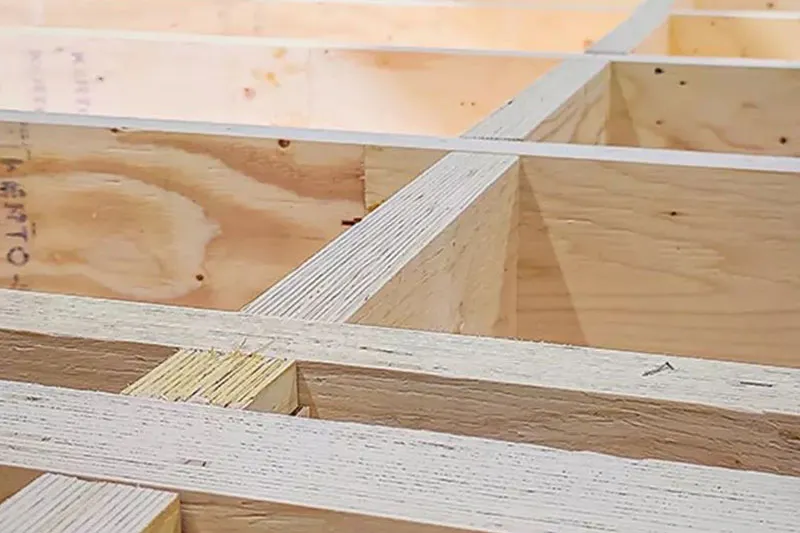
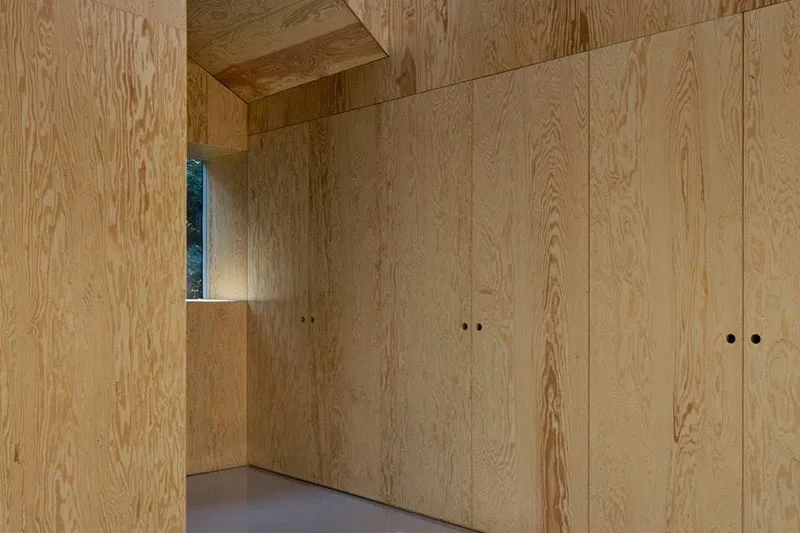
Plywood is a manufactured panel made by bonding multiple layers of wood veneer or laminations with adjacent grain directions. This cross-laminated structure gives plywood excellent shear-capacity, high modulus of rigidity, and resistance to delamination and warping. When used in shear walls, plywood panels help transfer shear forces down to foundations, provide diaphragm action, and improve a building’s ability to withstand lateral loads.
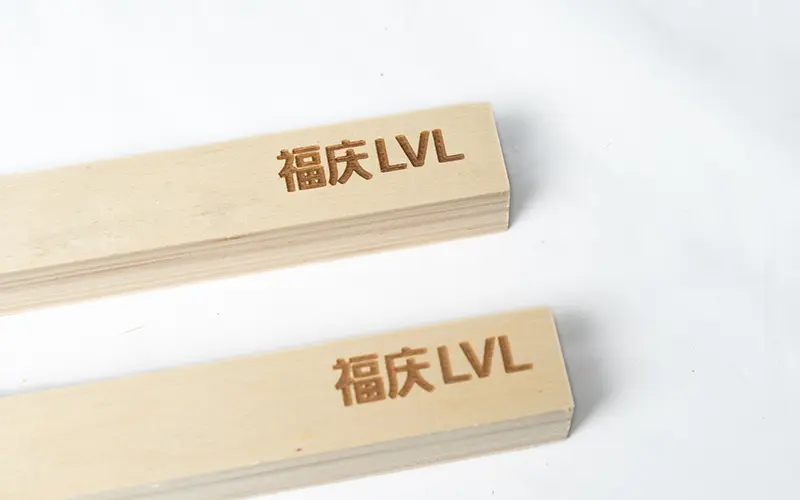
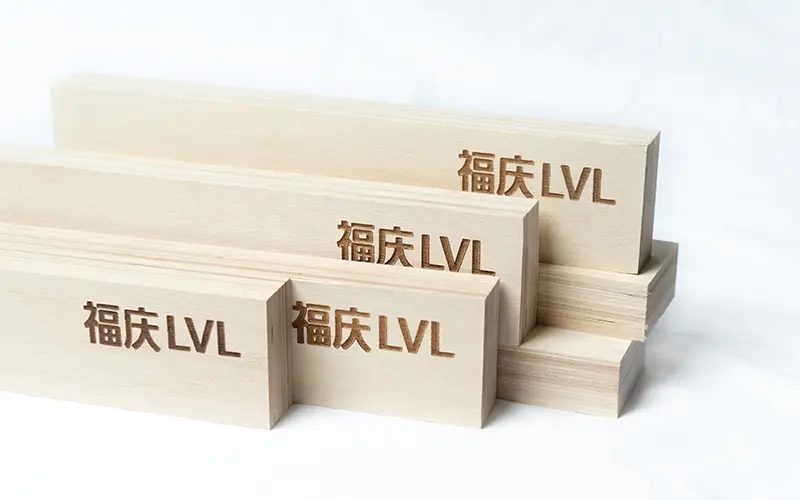
Engineered plywood offers advantages over traditional OSB or structural lumber in some shear wall applications: better fastener holding, more uniform strength across the panel, reduced risk of twisting or bending under load, and predictable behavior in design. For example, Fuqing’s F8 structural plywood has specifications such as phenol formaldehyde glue, moisture content 8-12%, multiple thicknesses and widths/lengths up to 1200/2700 mm.


1. Panel Thickness and Grade
The thickness of plywood used in a shear wall must correspond to the design shear force, the stud spacing, the fastener pattern and the end-anchorage. For example, plywood thickness may vary from 9 mm up to 18 mm (or more) depending on loading and code requirements.
2. Fastening and Anchorage
How the plywood is fastened to the framing and how the framing transfers forces to foundation is critical. The fastener size, spacing, edge-distance, and the framing member strength must support the shear load. Engineered panels perform best when fastened in accordance with manufacturer’s test data and structural code.
3. Panel Orientation and Joins
Panels must be oriented properly and joints must be staggered so that load paths are continuous. Overlapping or properly detailed edges reduce stress concentrations.
4. Moisture Control & Bond Quality
Since shear walls sometimes act as part of the building envelope, plywood must maintain bond integrity even under elevated moisture. Using waterproof adhesives and controlled moisture content ensures long term durability.
5. Code & Standard Compliance
Ensure the plywood panel is rated for structural use, meets the correct structural standard and is tested for shear wall applications. Specifiers must reference test certificates and design tables from the supplier.
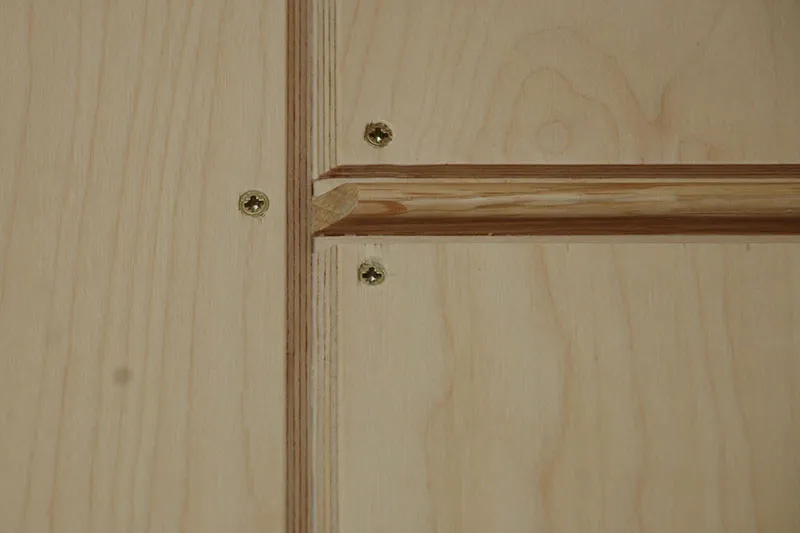
While thickness must always be derived from design loads and manufacturer data, some general guidelines apply:
Light residential shear walls: 9–12 mm plywood may suffice when stud spacing is small and loads are moderate.
Mid-rise or stronger loads: 15 mm to 18 mm panels may be required.
High shear demand zones or large framing modules: 21 mm–25 mm structural plywood may be specified, which aligns with some structural plywood thickness ranges from manufacturers like Fuqing.
Using engineered plywood for shear walls offers building designers and builders a reliable, high-performance, versatile solution for lateral load resistance. When specified correctly, matching thickness, adhesive type, panel grade, fastening schedule and detailing, a plywood shear wall system can provide long-term stability, structural safety and efficient construction. Fuqing supplies structural plywood with known specifications and certifications, making modern shear wall design more straightforward and robust.
For any project requiring lateral stability, consider specifying plywood for shear wall, evaluating design and verifying thickness in accordance with supplier data and building code. Engineered plywood is not just a traditional sheathing material—it is a structural building block essential to modern timber and mixed-material construction.